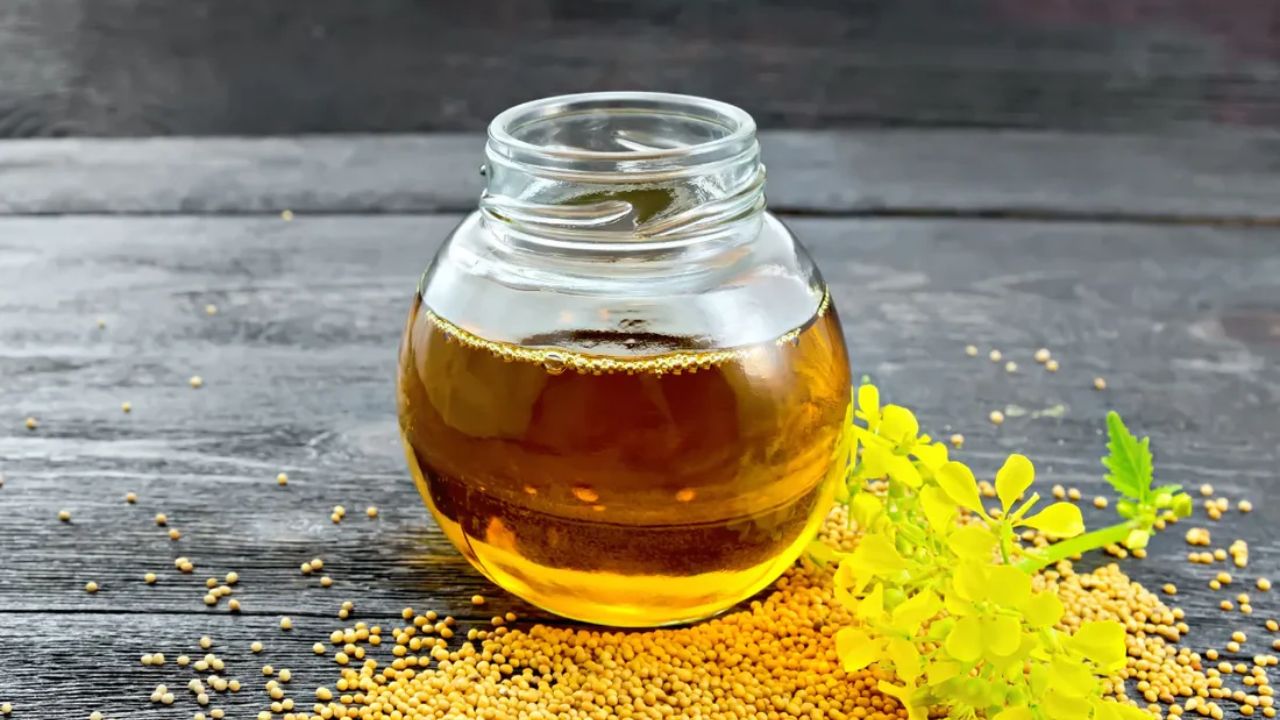

For countless generations, mustard oil has been the essential foundation of the subcontinent’s culinary tradition. Its distinct, pungent fragrance is inseparable from the fish curries of Bangladesh and the tempering of dals across North Indian homes, representing far more than a mere cooking fat – it is a deeply ingrained cultural icon.
Yet, an enduring international debate questions the very essence of this golden liquid: Is mustard oil truly healthy, or does its prolonged use contribute to heart ailments?
While authorities like the US Food and Drug Administration have historically categorised it “for external use only,” numerous Indian studies since 2016 have highlighted its potential cardioprotective qualities.
This contradiction raises a pivotal query: Does mustard oil’s negative reputation for cardiac wellness stand up to scrutiny, or is it an unfairly maligned nutritional asset? An examination of the research provides clarity.

The central concern surrounding mustard oil originates from its significant erucic acid content, a type of monounsaturated omega-9 fatty acid. In conventional mustard oil variants, erucic acid can comprise between 30 percent to 50 percent of the total fatty acid composition.
Preliminary animal research from the 1970s indicated that high intake of erucic acid caused myocardial lipidosis – a buildup of fat deposits in the heart muscle – in lab rats.
As a result, nations including the US, Canada, and European Union member states imposed restrictions on the sale of mustard oil for culinary consumption.




However, contemporary findings, such as those presented in Nutrition Reviews (2025), point to a contradictory outcome. Researchers posit that human metabolism processes erucic acid distinctly from rodents.
Humans have efficient enzymes to metabolise this acid, and no definitive data connects mustard oil consumption to heart damage in people, despite its centuries-long dietary use across Asia.
Beyond the debate, the nutritional profile of mustard oil is notably well-proportioned. Analyses, including the Comprehensive Review on Therapeutic Properties of Mustard Oil and Olive Oil, frequently note its comparative advantage for traditional Indian cooking methods. The key reasons include:
- Optimal fatty acid balance: Mustard oil contains relatively low saturated fats (around 12 percent) and is abundant in both monounsaturated and polyunsaturated fatty acids.
- Omega-3 and Omega-6 harmony: It maintains a favourable ratio of Omega-6 to Omega-3 fatty acids (approximately 6:5 or 1:2 in some types), which is vital for lowering systemic inflammation and safeguarding cardiovascular health.
- Alpha-Linolenic Acid (ALA): This essential omega-3 fatty acid present in the oil assists in managing cholesterol levels and hinders the formation of arterial plaque.
3 cardiovascular advantages of mustard oil consumption
The cardiology sector in India has consistently advocated for mustard oil. A seminal study conducted by the Harvard School of Medicine in partnership with AIIMS New Delhi discovered that employing mustard oil as the principal cooking fat could lower the risk of Coronary Heart Disease (CHD) by as much as 70 percent. This is attributed to several properties:
- Reduces LDL cholesterol: The high Monounsaturated Fatty Acid (MUFA) content in mustard oil aids in removing “bad” LDL cholesterol from blood vessels, diminishing the threat of atherosclerosis.
- High smoke point: With a smoke point near 250°C, mustard oil remains stable during high-temperature cooking methods like frying and sautéing, unlike many refined oils or extra virgin olive oil, preventing the formation of harmful compounds.
- Regulates blood pressure: Regular dietary inclusion of mustard oil is linked to improved elasticity of blood vessels, supporting the maintenance of healthy blood pressure.
3 potential adverse effects of mustard oil
Despite its benefits, mustard oil is not free from risks. Overconsumption or incorrect usage may lead to certain side effects:
- Myocardial Lipidosis: Although human evidence is limited, the high erucic acid levels continue to be a consideration for individuals with pre-existing heart conditions. Some 2025 research advises cardiac patients to choose Low Erucic Acid (LEAR or TEZ) varieties where accessible.
- Skin reactions: Direct application on the skin can cause erythema (redness) or blistering in people with sensitive skin or infants, owing to the compound allyl isothiocyanate.
- Epidemic dropsy: In the past, adulteration of mustard oil with argemone oil has triggered outbreaks of epidemic dropsy, a condition that can result in serious heart failure. Purchasing only pure, FSSAI (Food Safety and Standards Authority of India)-certified mustard oil is crucial.
Mustard oil is not only safe but may also be advantageous for heart health when integrated into a balanced diet. Its hazardous labelling stemmed from animal studies with limited applicability to human biology.
Moderation, however, remains key. The International Journal of Diabetes in Developing Countries suggests a daily allowance of 15-20 ml of oil per individual, preferably rotating between mustard oil and other beneficial fats like ghee or sunflower oil to achieve a diverse fatty acid intake.
Experts advocate rotating various cooking oils to harness the unique health advantages of each, tailored to different culinary preparations.
In summary, mustard oil stands as a wholesome cooking medium, with its prudent consumption hinging on verifying its quality and adhering to regulated quantities.