


Asif Habib rarely gets the chance to go out with his family on weekdays because of work commitments. So, every Friday, he takes his wife and children somewhere for an outing. This week, he visited the Indigenous Food and Crops Fair in Mirpur, Dhaka.
His visit was not just about spending time outdoors. He also wanted to introduce his children to the cultures and cuisines of different communities.
“Everyone in the family should have an understanding of different cultures. That is why we came here,” Asif said.
Many other families also visited the fair on the holiday. Some explored food stalls representing different ethnic communities, while others bought crops and fruits grown in the hills. Children, meanwhile, were particularly keen to sample the food.
Little Sara Hossain was delighted after tasting a pitha made from sticky binni rice. Asked how she liked it, she gave a simple answer: “It was delicious.”

Sara’s mother, Afsana Begum, is a working professional who lives with her family in Dhanmondi. She visited the fair with her three-year-old daughter, moving from one stall to another and buying products for the family. She also let her daughter try whichever foods she liked.
Kawsar Rahman’s interest in the fair, however, was somewhat different. He worries about food safety whenever he buys food for his children from the market. That is why he visits the fair every year.
“Fruits and vegetables grown by jhum cultivators in the hills are, in many respects, safer than the food we regularly buy from the market,” he said.




The two-day fifth Indigenous Food and Crops Fair began on Friday at the premises of the Parbatya Bouddha Sangha Complex in Mirpur-13, Dhaka. Organised jointly by development organisation Nagarik Uddyog and Indigenous Well-wishers, the fair features traditional food, crops and products from different ethnic communities in the hills and plains.
Visitors can find popular hill foods such as hebang and pajon, fish from Kaptai Lake, and various vegetables and fruits grown through jhum cultivation. Alongside hebang, cooked in banana leaves, the fair also offers traditional dishes from different indigenous communities in the plains. Representatives of the Manipuri, Garo and Rakhine communities have brought their own traditional foods and products.
At the Rakhine community’s stall, various types of pitha made from black and white binni rice are among the main attractions. Different varieties of mundi are also available.
Beyond food, visitors are crowding around stalls selling crops and agricultural products grown in the hills. The fair offers an opportunity not only to sample different dishes but also to learn about the lifestyles and food cultures of various communities.
Dipen Dewan, a Rangamati Hill District lawmaker and former minister for Chittagong Hill Tracts Affairs, attended as chief guest at the inaugural ceremony of the event, chaired by Zakir Hossain, executive director of Nagarik Uddyog.
Dipen Dewan said the fair had created an opportunity for people to connect while showcasing the food habits and traditions of different ethnic communities.
“These foods and agricultural products are part of Bangladesh’s cultural wealth,” he said.

Speaking at the event, human rights activist Shireen Parveen Haque said food production systems in the hills were closely linked to land rights and the protection of biodiversity. She noted that land grabbing was increasingly disconnecting communities from their traditional production systems and called for effective state intervention.
Rights activist Mainthin Promila also stressed the need for state support to preserve indigenous traditional food production methods.
Zakir Hossain, executive director of the organising organisation, said there was a need to establish a dedicated market in Dhaka for indigenous communities to sell their products, alongside efforts to highlight their history and traditions.
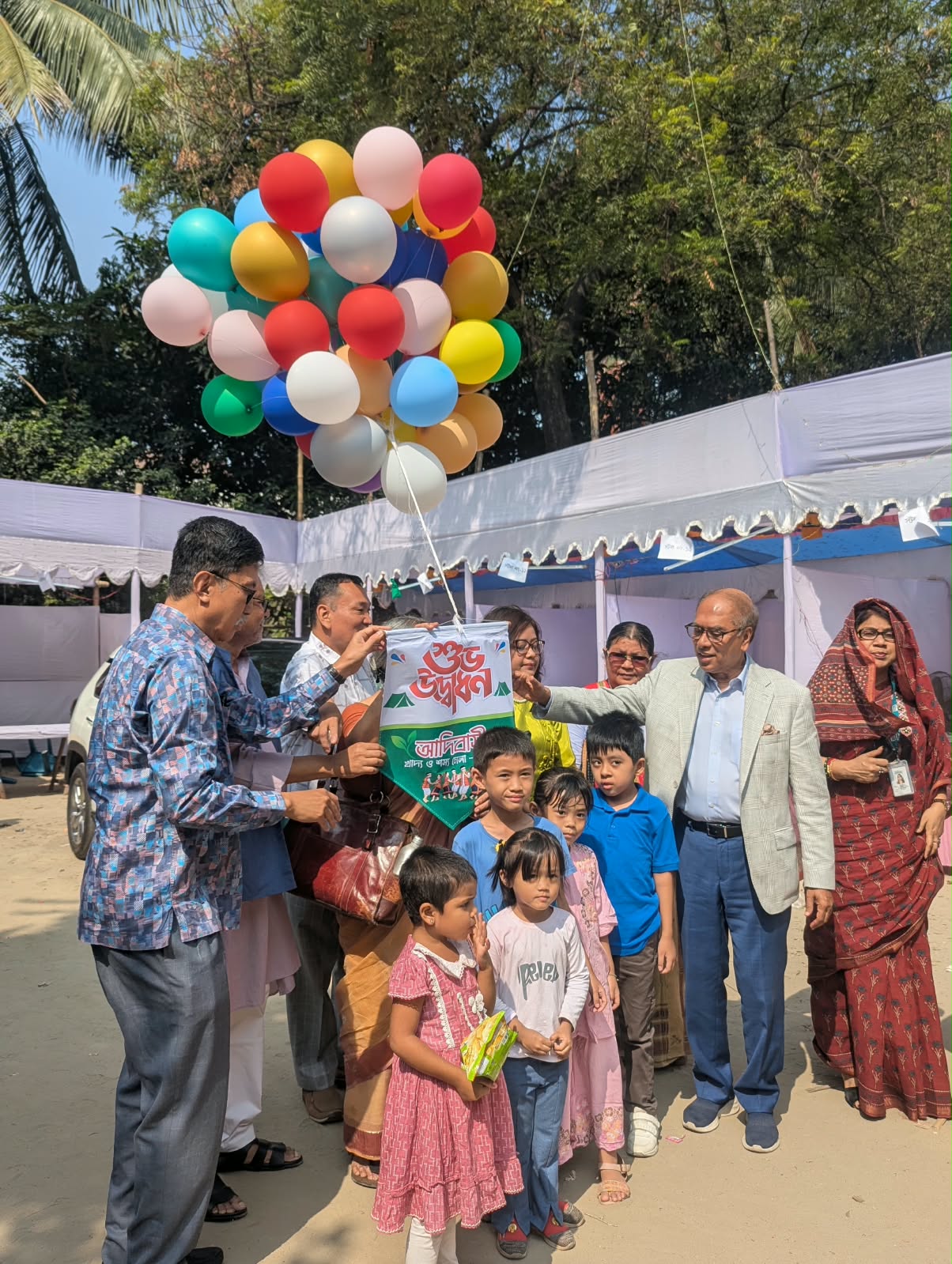
The guests formally inaugurated the fair by releasing balloons after the discussion.
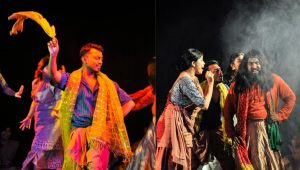
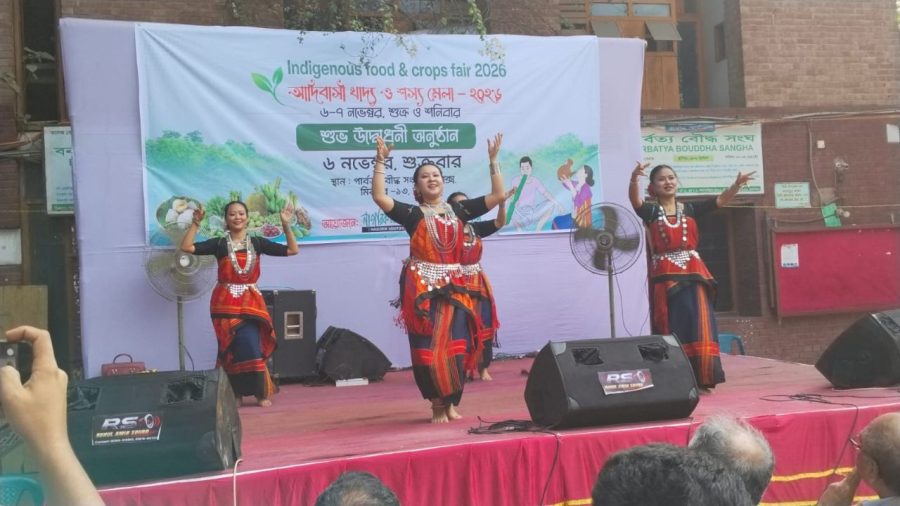
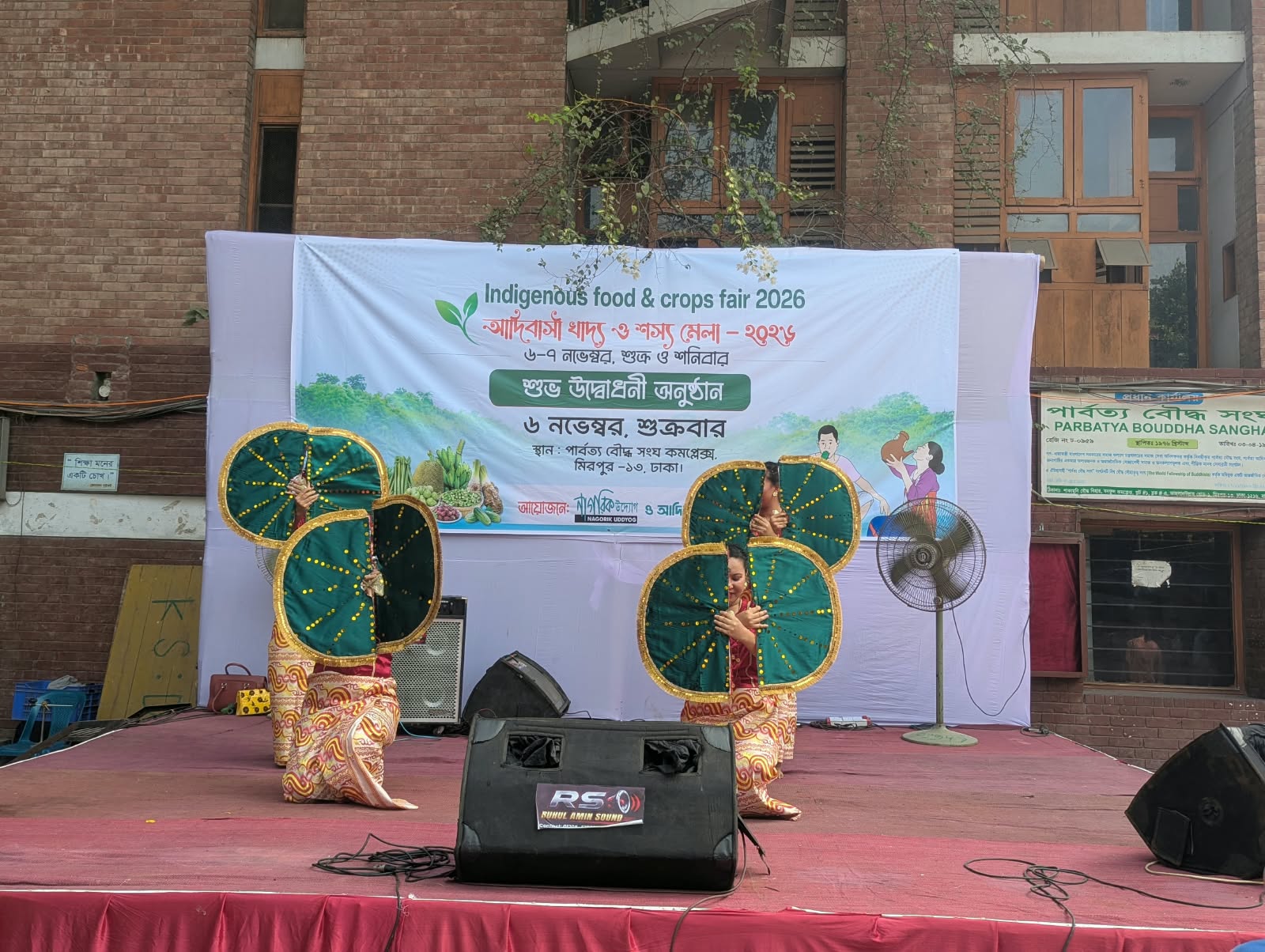
The fair is open to visitors from 10am to 9pm every day. Cultural programmes featuring indigenous artists from the hills and plains will be held on both evenings.