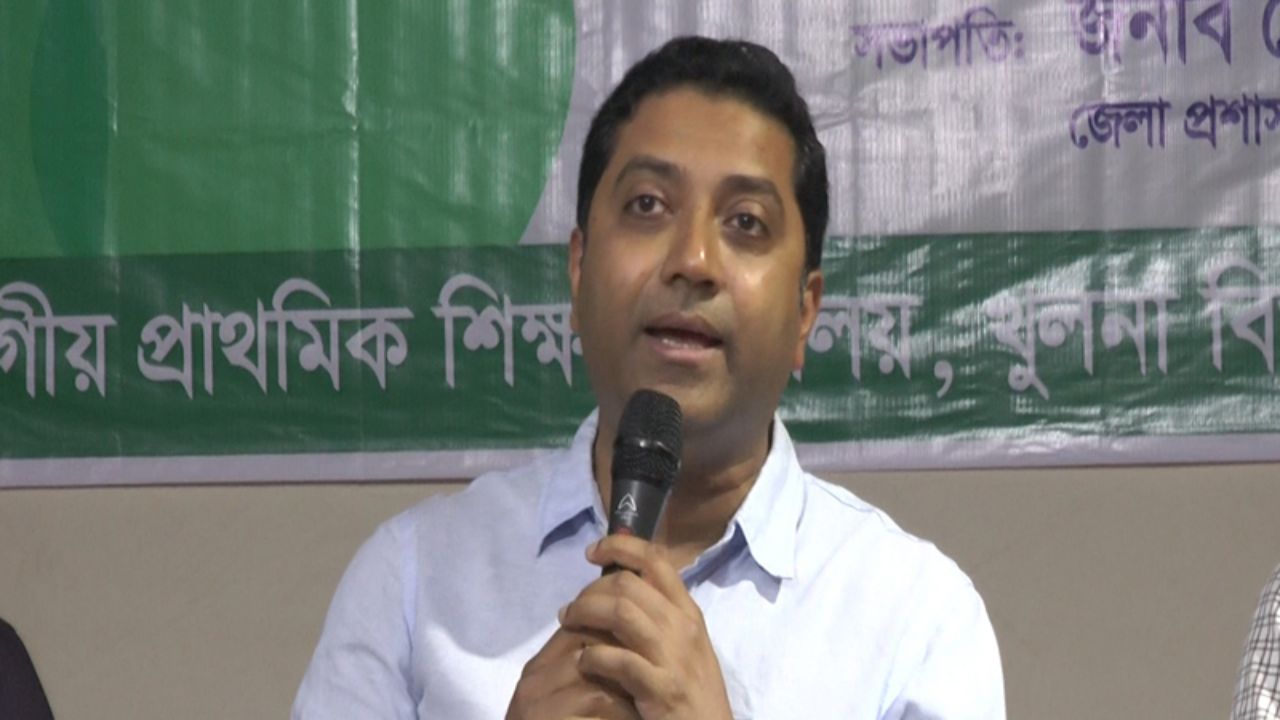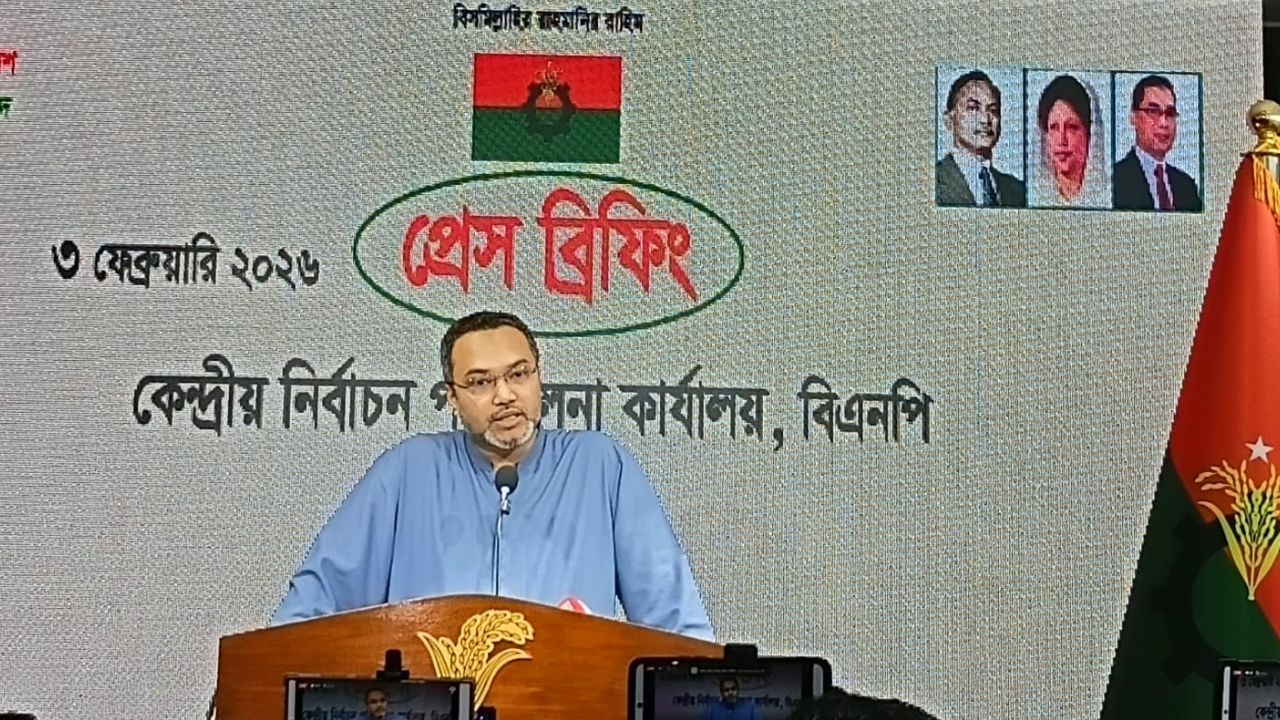

BNP Central Election Steering Committee spokesperson Mahdi Amin has said the “disinformation and propaganda” being spread against the BNP by what he termed “so-called new reformists” was surprising, given the party’s long-standing advocacy for state reforms.
Speaking at a press conference at the BNP Election Steering Committee office in Gulshan on Tuesday, Mahdi Amin, also the adviser to the party chairperson, said BNP had consistently raised demands for reform and carried out movements in favour of change despite facing repression, while many of those now speaking loudly about reform had previously remained silent on the issue.
“When BNP continued to speak for reform and organise movements despite the threat of authoritarian repression, those who never even discussed reform are now claiming to advocate it,” he said, alleging that confusion and misinformation were being deliberately spread against BNP.
He reiterated that BNP believes a democratic, accountable and modern state can only be established through the empowerment of the people and the restoration of voting rights.
Referring to the party’s reform initiatives, Mahdi Amin said BNP presented its Vision-2030 in 2016, announced a 27-point state reform proposal in 2022 and expanded it into a 31-point framework in 2023.

He said the party first proposed the introduction of a bicameral parliament in 2016 and also earlier advocated limiting the prime minister’s tenure to prevent prolonged concentration of power.
He added that in 2014, Tarique Rahman proposed reserving a five-percent quota to promote merit-based recruitment.




He said BNP has taken a firm position in favour of a “Yes” vote in a referendum on state reforms in the upcoming national election, a stance that has been reiterated by the party’s senior leaders.
Mahdi Amin also expressed concern over what he described as a coordinated campaign of false and misleading information targeting BNP chairperson Tarique Rahman. He said at least 29 such claims had been circulated over the past week, with fact-checking platforms publishing reports identifying them as disinformation.
He further alleged that leaders and activists of a political party were reviving false narratives created during an earlier authoritarian period, using similar language and slogans to mislead the public.
According to him, these tactics reflected an attempt to counter BNP’s growing public support by resorting to personal attacks and misinformation instead of healthy political competition.
The BNP spokesperson also objected to the proposed deployment of Bangladesh National Cadet Corps (BNCC) cadets for election-related duties during the 13th National Parliamentary Election and referendum, saying many cadets are students with possible political affiliations, which could undermine the neutrality of the polls.
He said BNP has already requested the Election Commission in writing not to deploy BNCC cadets in election work.
In addition, Mahdi Amin raised concerns over the large number of local election observers approved by the Election Commission.
Citing information published on the EC website on 26 January, he said 55,454 local observers from 81 organisations had been approved, with 34,442 of them coming from just 16 organisations.
He added that some of these organisations have leadership figures affiliated with a particular political party, raising concerns about possible misuse on election day.
To ensure a level playing field, he urged the Election Commission to verify the full list of observers, exclude politically affiliated individuals, reduce observer numbers from less-experienced organisations, and limit the number of local observers entering a polling centre at the same time to no more than two.