


Kadamtali is one of the most important areas of the port city of Chattogram. Situated at the junction connecting Tigerpass on one side, New Market on another, and the busy roads leading to Patenga and the port on the other, the Kadamtali crossing is a route used by thousands of people every day.
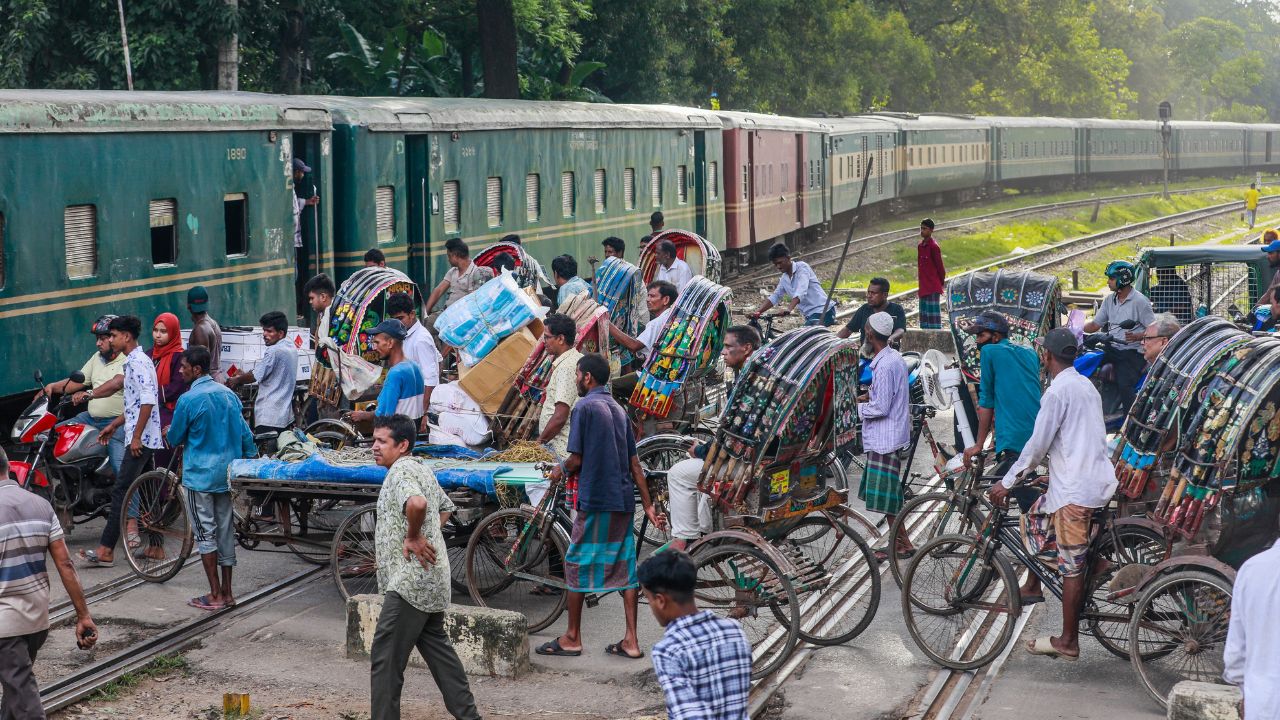
But in this city of moving wheels, Kadamtali rail crossing has become an unwelcome bottleneck. As soon as the train horn blows, hundreds of vehicles come to a halt here, triggering endless waiting and severe traffic jams.
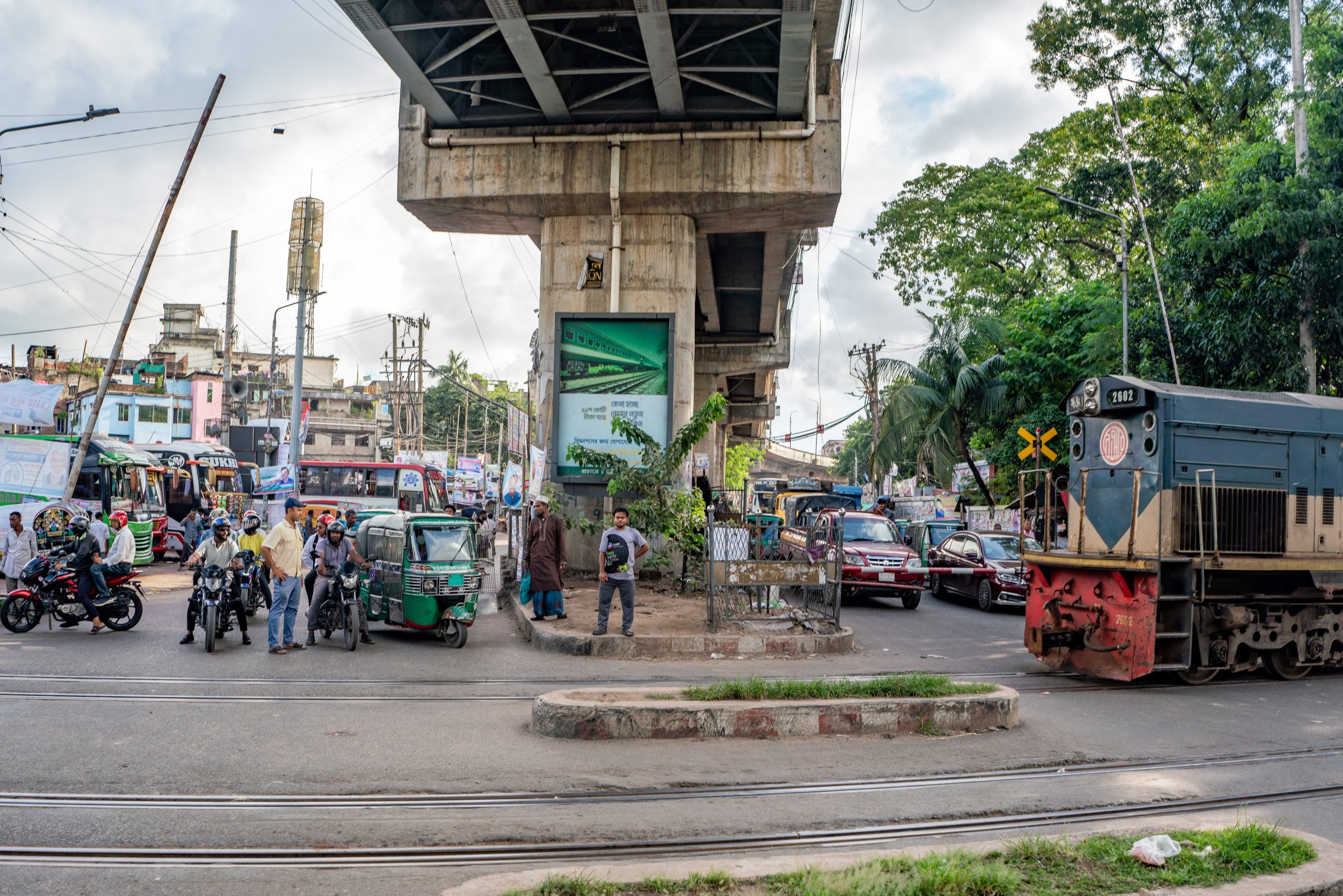
Unregulated vehicle movement and poor traffic management are daily realities in this area. Even when signals are given before a train approaches, impatient drivers seem most eager to cross. Rickshaws, CNG auto-rickshaws, and motorcycles, ignoring traffic rules and entering from the wrong lane, instantly block the main road.

On top of that, illegal hawkers’ stalls right at the mouth of the crossing, along with makeshift mini-bus and CNG stands, further narrow the road. As a result, chaos unfolds even before vehicles reach the crossing.
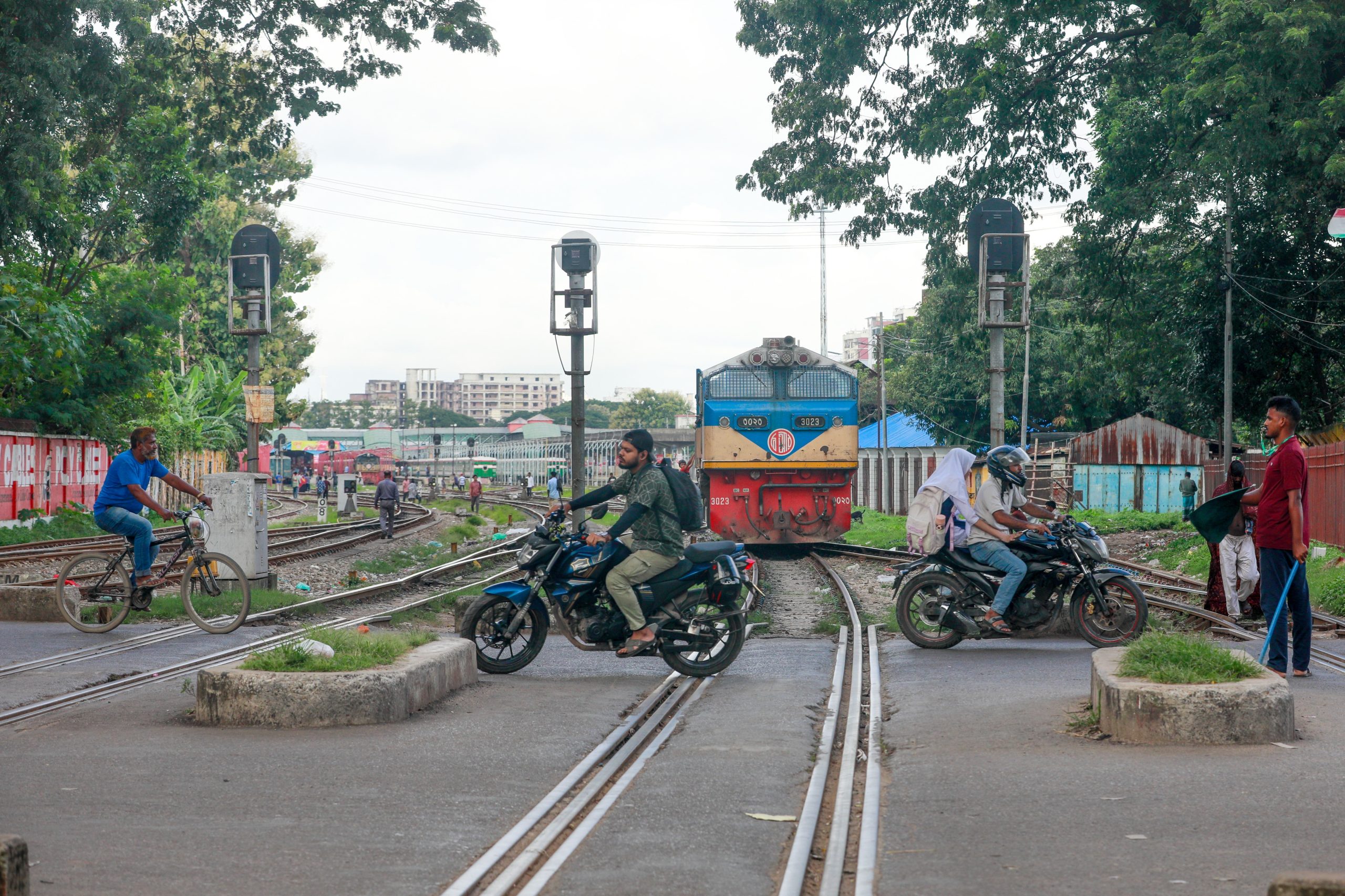
At this crossing, every day is a game of chance. Even after the barriers are lowered, pedestrians and bikers try to duck under and cross, inevitably leading to tragic accidents. On the other hand, public transport heading towards



Tigerpass or New Market get stuck in traffic for hours, causing immense suffering for office-goers, students, and general passengers. The most alarming situation arises when ambulances carrying critical patients get trapped in the gridlock.
Many intercity, local, and freight trains operate daily from Chattogram station. As a result, the barriers have to be kept down for extended periods multiple times every hour, bringing normal road traffic to a complete standstill.
The frequency of trains means that road users can spend hours waiting at the crossing, their daily routines completely disrupted.
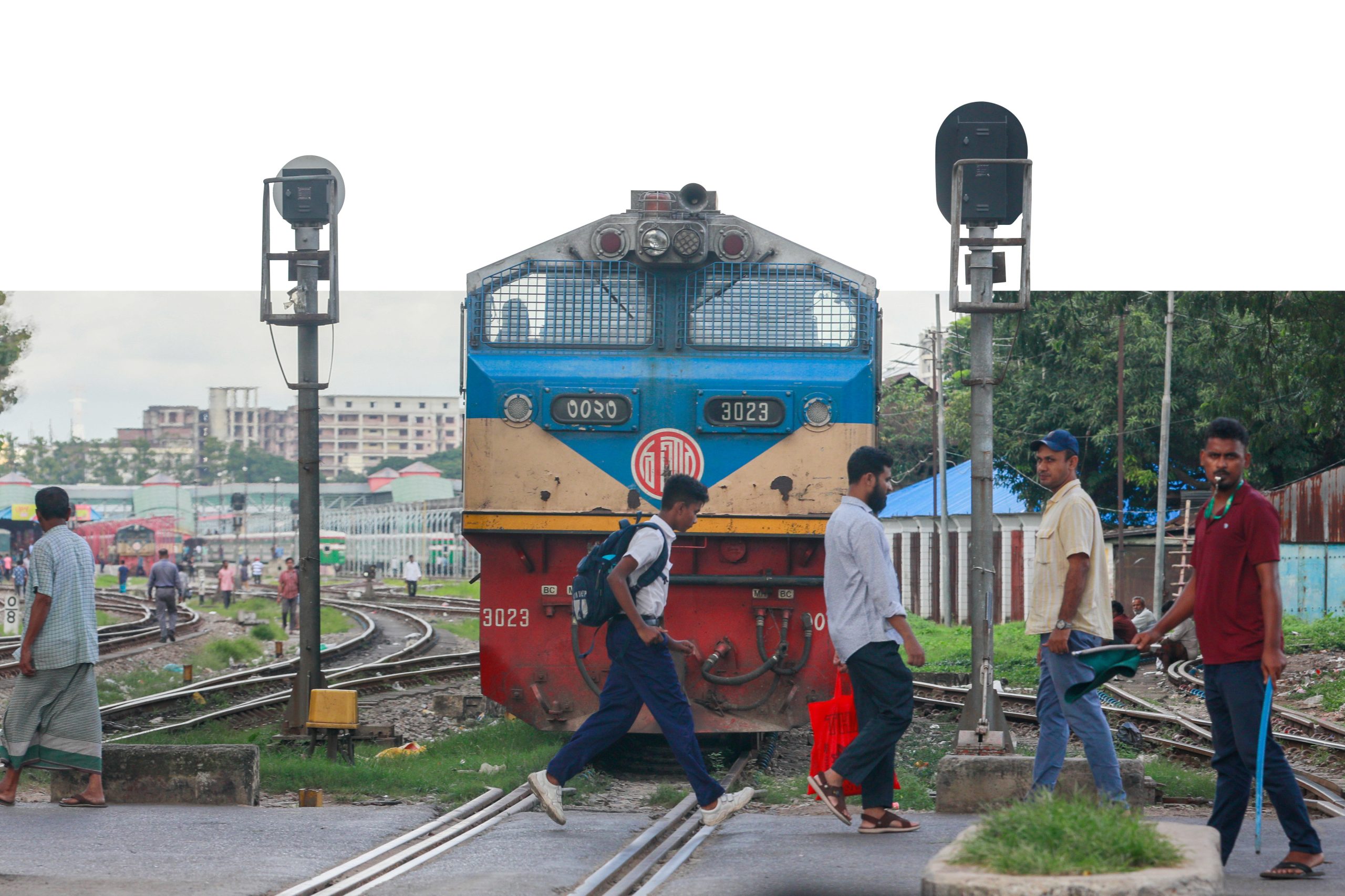
In a modern city like Chattogram, the country’s commercial capital, this stagnation at Kadamtali crossing is by no means desirable.
According to those affected, strict enforcement of traffic laws in the crossing area, removing encroachments from footpaths, and introducing a digital signaling system could provide temporary relief. But for a permanent solution to the problem, construction of a flyover or overpass at Kadamtali has become a pressing necessity.
Otherwise, like the wheels that remain stuck, the daily lives of thousands of people on this route will remain paralysed. The cost of inaction, measured in lost hours, missed opportunities, and lives put at risk, is too high for a city that claims to be the commercial heart of Bangladesh.