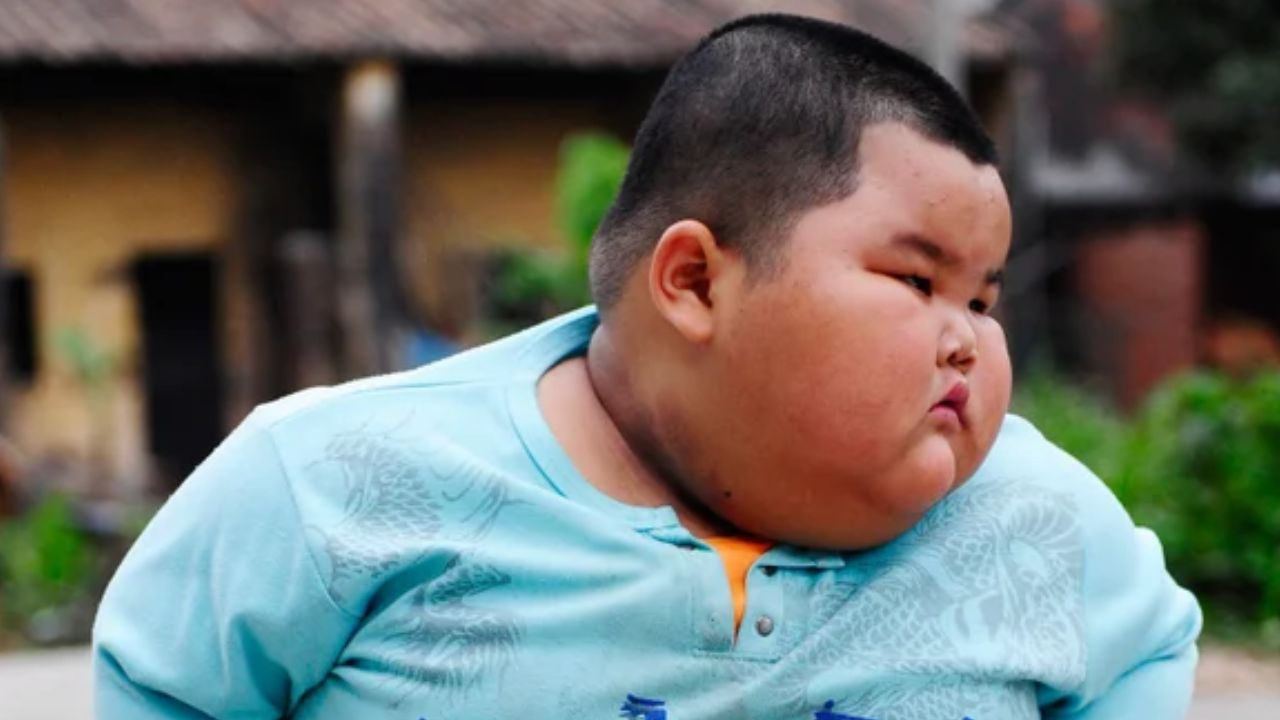

Italy, once the global model for healthy eating, is currently facing a significant childhood obesity crisis. The World Health Organisation (WHO) reports that Italian children are now among the most overweight in Europe.
This issue is most severe in southern Italy’s Campania region, where over 40 per cent of eight and nine-year-olds are classified as overweight. The town of Ponticelli has consequently become known as a global capital for childhood obesity, reports BBC.
Younger patients, extreme measures
Salvatore, a 17-year-old resident weighing 170kg, illustrates the severity of the crisis as he struggles with basic tasks like walking and tying his shoelaces. At Ponticelli’s Betania Hospital, Dr Sonja Chiappetta observed that the age of patients requiring severe obesity treatment has dropped from the fifties to as young as 16.
While Dr Chiappetta performs surgeries that remove up to 90 per cent of the stomach, she noted that demand for such procedures has risen sharply. Because Salvatore’s weight currently makes surgery dangerous, he has been prescribed GLP-1 weight-loss injections to reduce his appetite.

The decline of Mediterranean diet
The historic Mediterranean diet, characterised by legumes, olive oil, and whole grains, rose to fame in the 1950s following studies by Ancel and Margaret Keys.
However, Dr Valter Longo, director of the Longevity Institute at the University of Southern California, states that only 10 per cent of Italians still follow this traditional diet.




He notes that the modern diet has shifted to the “five Ps”: pizza, pasta, potatoes, protein, and pane (bread). Ultra-processed foods and modified traditional dishes, such as pizzas topped with chips and sausages, have become commonplace.
Cultural hurdles, parental denial
Dr Roberto Berni Canani, a specialist at Federico II University, has treated children as young as two who already weigh 25kg. He reports that many parents fail to recognise obesity, often seeking medical help for symptoms like coughs or stomach pain instead.
For instance, 10-year-old Francesca weighs 60kg, yet her parents sought help for a persistent cough and swallowing difficulties rather than her weight.
Teacher Francesca Pecce notes that in Neapolitan culture, “chubby” children with rosy cheeks are often mistakenly viewed as healthy. Many schools housed in old palazzi lack the gym space necessary for modern physical education.
National response, controversial trials
In 2025, Italy became the first country to pass a national law identifying obesity as a chronic, progressive disease influenced by biology and environment rather than just personal choice. Current interventions include a nutrition programme by the Valter Longo Foundation, reaching 17,000 students across 25 schools.
A controversial “fast-mimicking diet” trial is also underway in Campania, involving 300 adolescents on a highly restricted calorie intake for five days every three months. Dr Longo suggests this triggers a “metabolic reset” linked to a healthier lifespan.
However, Dr Berni Canani warns that such restrictive diets lack sufficient clinical evidence for children and may trigger eating disorders like anorexia or body dysmorphia. As the WHO warns of a quadrupling of global childhood obesity since 1990, a generation of Italian youth remains increasingly distanced from their country’s healthy traditions.