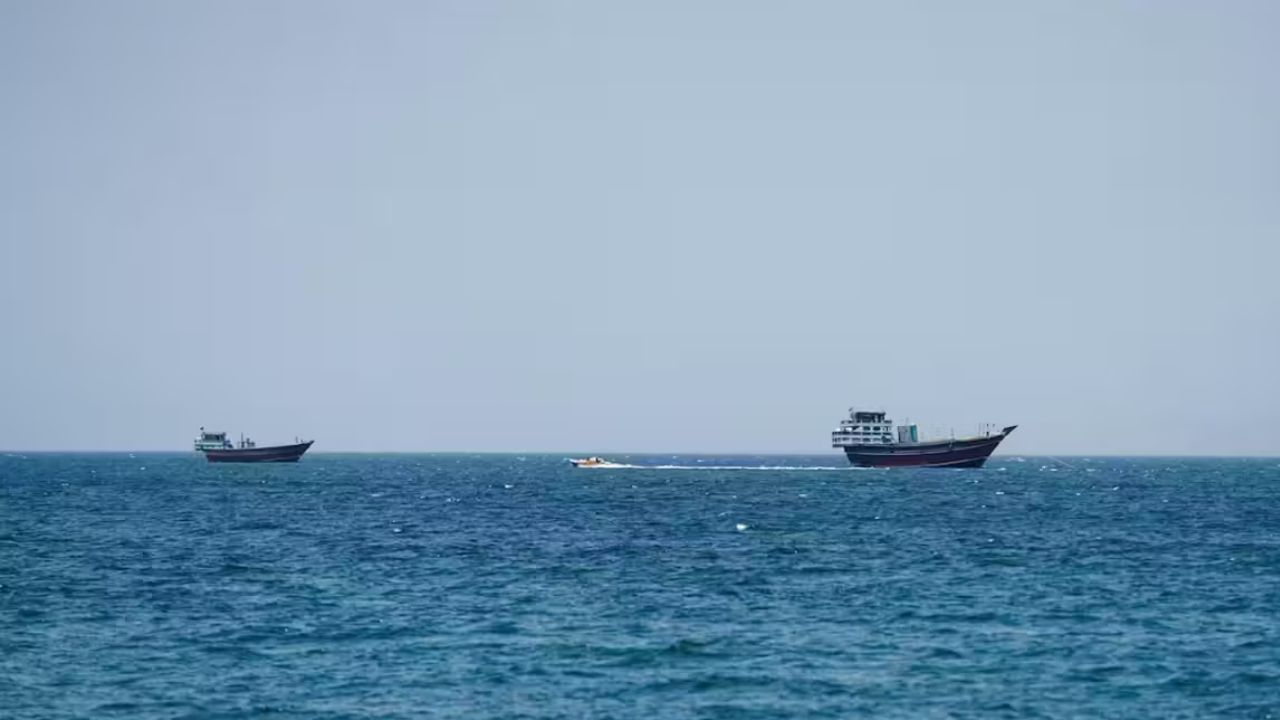
Israel secretly sent elite military and intelligence units to Azerbaijan during the war with Iran, operating as part of a wider network of covert sites across the Middle East to facilitate operations against Tehran, four sources familiar with the matter told CNN.
The forces operated from multiple locations in southern Azerbaijan, adjacent to Iran’s northern border and as close as 60 miles from Tabriz, which Israel struck during the conflict, two sources said. Special commando units carried out intelligence-gathering missions and drone operations, providing Israel with a vantage point into northern Iran, according to the other two sources, reports CNN.
The Azerbaijan deployment, reported by CNN for the first time, was among several military positions Israel maintained across the region, highlighting the role Iran’s neighbours played in facilitating operations—some with permission, some likely without. The sources said similar sites existed in Iraq, the United Arab Emirates, and Somaliland. Initially planned as potential rescue teams, the operations expanded to include intelligence and military functions.

These deployments placed Israeli forces along Iran’s southern, western, and northern borders, extending their reach deep into Iranian territory and supporting repeated strikes. The Azerbaijan operation included several dozen troops from Israel’s special operations, elite heliborne combat and rescue units, and Mossad personnel, one source said.
A spokesperson for Azerbaijan’s embassy in the United States said, “We firmly reject unfounded claims regarding the alleged use of Azerbaijan’s territory for operations against third countries.” CNN has contacted the Israeli Prime Minister’s Office and Israel Defense Forces for comment.

Somaliland also hosted Israeli positions, providing a refuelling point for long-range flights to Iran. Israel recognised Somaliland formally in December, while the UAE maintains a substantial commercial and military presence at Berbera.
Israel maintained two secret sites in Iraq during the conflict, supporting logistics and potential search and rescue operations. Iraq’s military stated there were no “unauthorised bases or forces” as of early March. An Iron Dome battery and operating troops were also deployed in the UAE during the war, previously reported by Axios.
The presence in Azerbaijan allowed Israel to conduct aerial rescue missions and surveillance of Iranian activity. Preparations began weeks before the initial strikes in mid-January, following Iran’s crackdown on domestic protests. “Israel proceeded on its own,” two sources said, installing listening devices and intelligence equipment near the Azerbaijan-Iran border. Stealth jets and special forces were used to gather information on Iranian military movements and potential missile launches.
Israeli Foreign Minister Gideon Saar visited Baku shortly afterwards, meeting the Azerbaijani president. In May, Azerbaijan secretly hosted direct talks between Israel and Syria. One key operation from Azerbaijan was the killing on 4 March of Rahman Moghaddam, head of the IRGC intelligence division, whom Israel said had planned an assassination attempt on former US President Donald Trump. The next day, drones struck Nakhchivan airport, injuring several and damaging property; Azerbaijan blamed Iran, which denied responsibility.
“Azerbaijan is increasingly trying to position itself as a regional power, and that includes being a sort of bridge at times between Israel and Arab and other states,” said Joshua Kucera, senior analyst for the Crisis Group. Gershon Kogan, Iran specialist at the Begin-Sadat Center for Strategic Studies, added, “Israeli strategy in Azerbaijan remains deliberately low-profile, relying on arms transfers, intelligence cooperation, and long-term technological interdependence in the security sector.”
The network extended Israel’s military reach and provided both tactical intelligence and regional influence in the Iran war, sources said.