For 30 gruelling hours, 28 people, including ten women and six children, were trapped in a legal and physical no-man’s-land along the Chapainawabganj border. While they were eventually moved back into India, the uncertainty surrounding their lives and citizenship remains unresolved.
The ordeal began at 3am on Thursday when India’s Border Security Force (BSF) attempted to force the group into Bangladesh, labelling them Bangladeshi nationals.
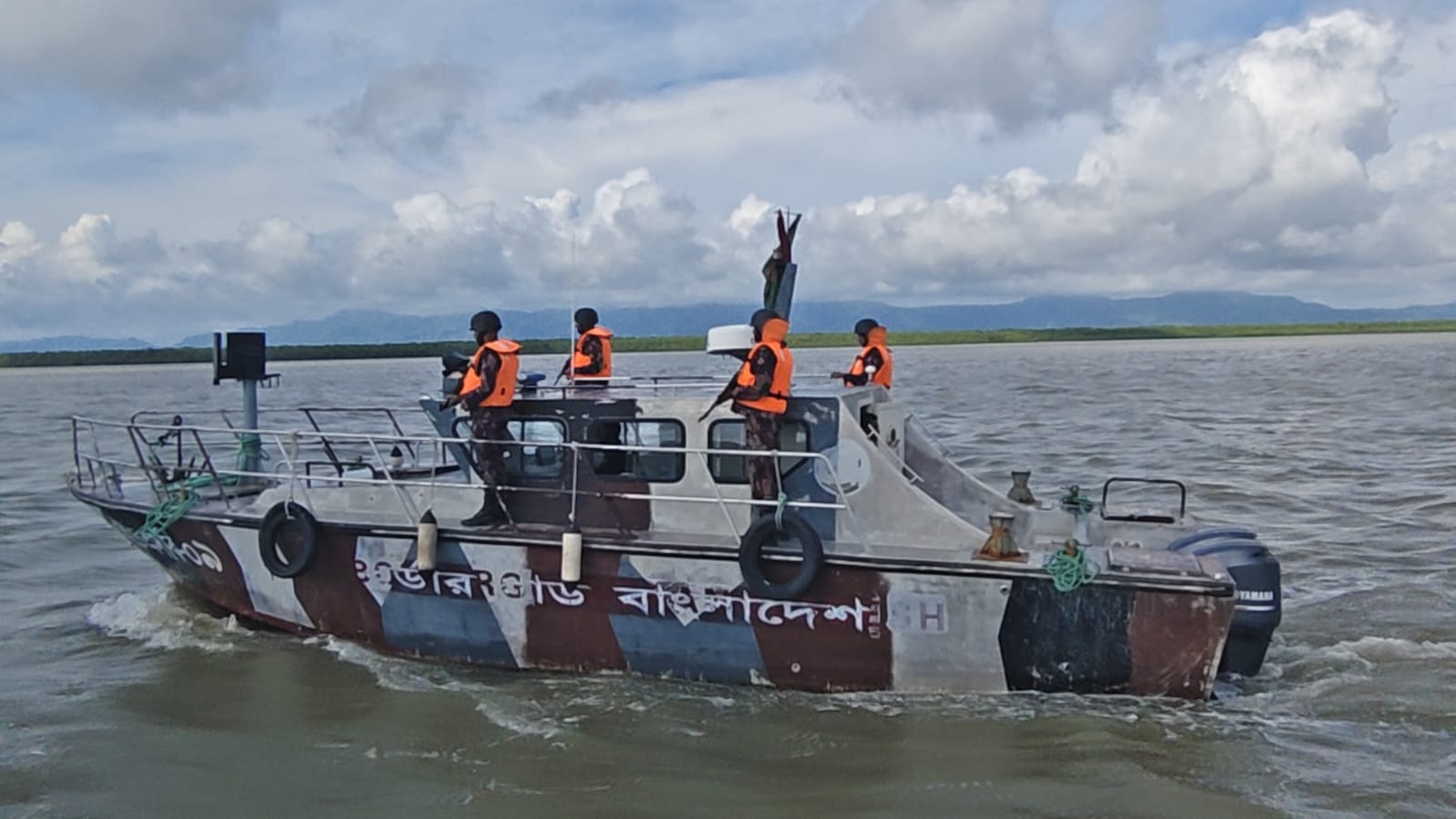
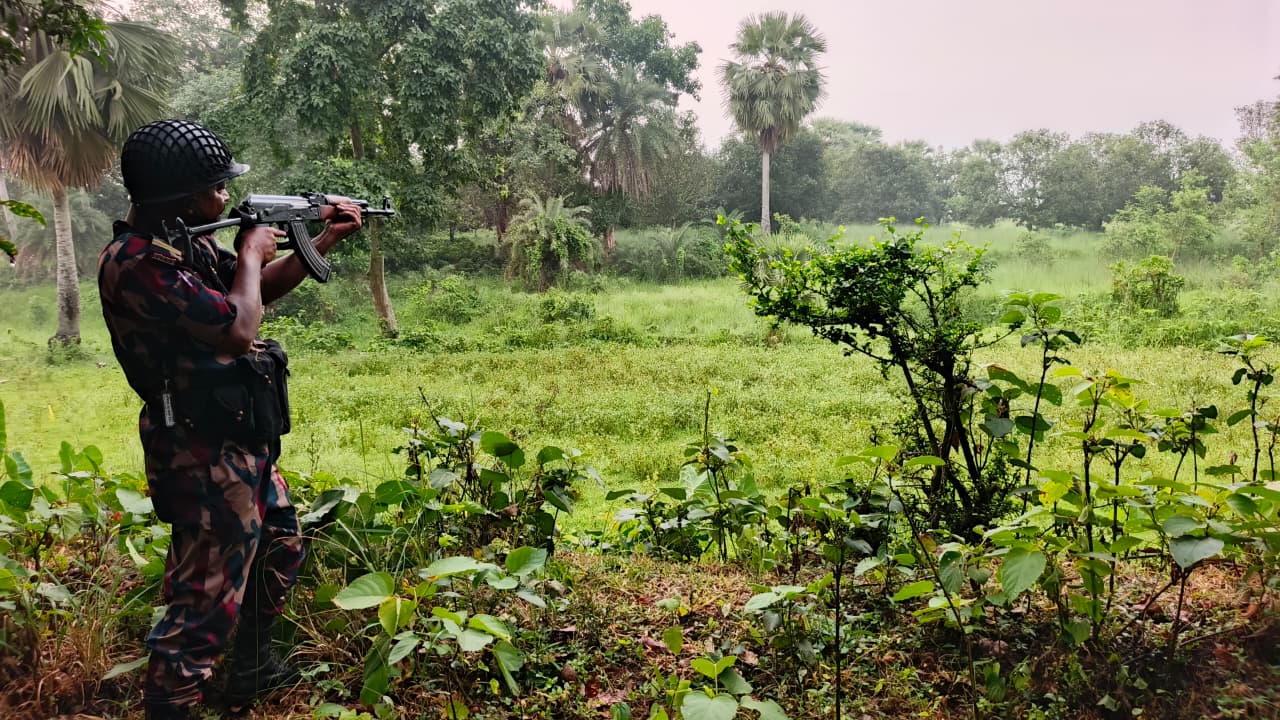
The Border Guard Bangladesh (BGB) stood its ground, refusing entry, leading to a tense standoff. Stranded amid geopolitical tension, the group endured sleepless nights, intense sunlight, and severe weather.
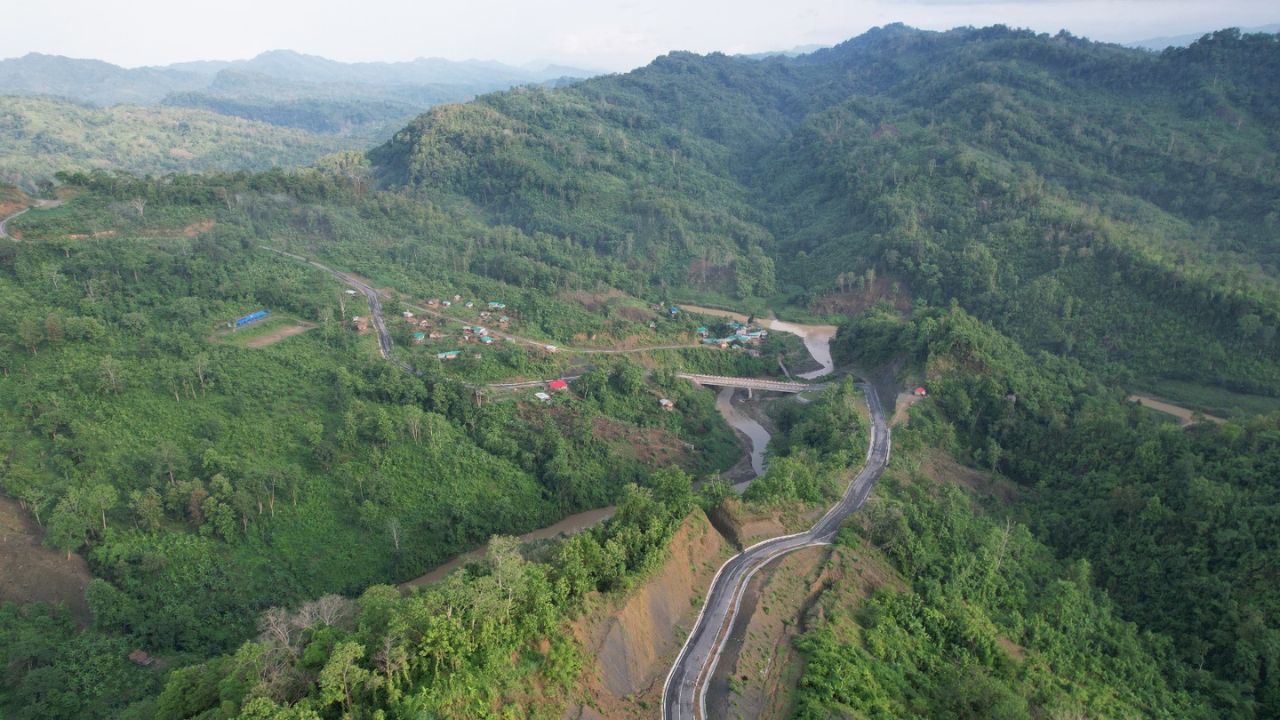
The border section in Gomostapur, situated between Ghughia and Anarpur, features a vast canal along the International Zero Line that has overgrown into dense forest due to a lack of water.
Trapped in this terrain, the group faced threats from leeches and snakes. Severe thunderstorms struck the area on Thursday, continuing into the night. The cries of frightened women and children deeply affected journalists and BGB members stationed nearby.
Stranded near international border pillar 203/6-R, the group could only watch as a BSF member provided them with lunch around noon on Thursday. Faced with BGB resistance, the BSF finally pulled the group back 50 metres inside Indian territory on Friday morning. Reports indicate they are still being kept outdoors.

“I have never seen such inhumane acts in my lifetime,” said Taimur Sheikh, an elder from the border area. Local media worker Abdullah Al Mamun Nahid added, “This is an act against humanity. India is risking innocent lives, rendering people homeless, and fuelling regional instability.”
The push-in crisis began during Bangladesh’s interim government, targeting hundreds of Bengali-speaking individuals. Pressure intensified significantly after the BJP-led government assumed power in West Bengal in early May.
Chief Minister Suvendu Adhikari announced the implementation of the Citizenship Amendment Act (CAA), stating that anyone suspected of being a Bangladeshi “infiltrator” would be handed directly to the BSF. Suspects are detained as “unregistered” and held in temporary holding centres before being handed over.
On 29 May, Indian authorities reportedly detained at least 386 undocumented individuals across West Bengal, distributing them among 13 holding centres in eight border districts. While Indian media claim some individuals gather voluntarily at the border, Bangladeshi officials maintain they are forcibly displaced.

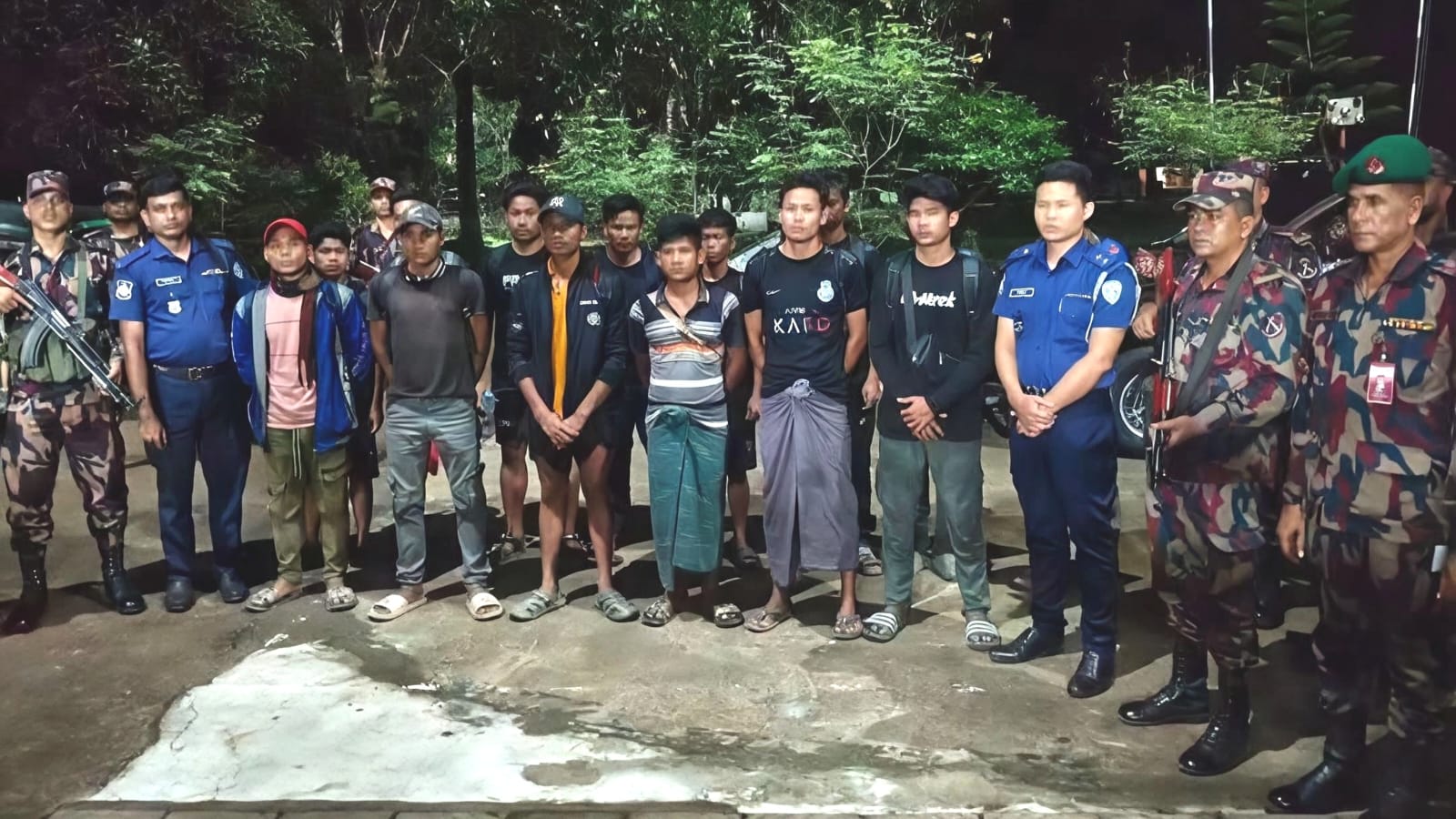
Since 26 May, push-in attempts have been reported from Hakimpur, India, through the Keragachhi and Chandanpur borders of Satkhira’s Kalaroa. In the face of staunch BGB resistance, BSF officials reportedly plan to relocate Bengali speakers from the Hakimpur holding centre to other border sectors.
According to the BGB, it foiled push-in attempts at ten border points on Thursday alone, while reporters confirmed similar attempts at four more borders on Friday.
Lieutenant Colonel Ariful Islam Masum, commander of the 16 BGB Battalion responsible for the Bangabari border, emphasised Bangladesh’s position: “During our flag meeting with the BSF, we clearly stated that any form of illegal infiltration or push-in is entirely unacceptable to Bangladesh.”
Colonel Syed Mohammad Kamal Hossain, commander of the BGB’s Rajshahi Sector, condemned the actions. “The situation is tragic and deeply unfortunate. International border laws exist for a reason, yet the BSF disregarded them by attempting an illegal push-in into Bangladesh.”
Push-in attempts foiled across four more borders
Early Friday, BSF personnel attempted to push an additional 75 people into Bangladesh across four border sectors. Strict vigilance by the BGB and local communities successfully thwarted every attempt.
Naogaon border
At around 7:30 AM on Friday, the BGB foiled an attempt to push 17 people, including men, women, and children, through the Sapahar border in Naogaon. BSF personnel from the Pannachhara camp tried to force the group across the international border near pillar 238/MP. The group remained stranded at the Zero Line.
Lieutenant Colonel Mohammad Ariful Islam Masum said: “No one will be allowed to enter Bangladesh illegally. Operations to return them to Indian territory are ongoing.”
Lalmonirhat border
A coordinated effort was made Friday morning to push 33 people through the Patgram, Hatibandha, and Aditmari borders. In Patgram, 11 people, all from the same family, were pushed through the Poyashattribari area of the Srirampur border. In Aditmari, another 12 people were targeted across two areas near Main Pillar 925 on the Dighalatari border. Strong BGB resistance forced the BSF to retreat. The displaced individuals remain roughly 50 yards inside Indian territory.
“Because our patrol team was alert and ready, we prevented the infiltration immediately,” said Naib Subedar Mizanur Rahman, commander of the Poyashattribari BOP.
Abdur Razzak, a local Union Parishad member, added that residents immediately assisted the BGB when they saw the BSF bringing the group to the frontier.
Panchagarh border
At dawn, BSF personnel opened a barbed-wire gate along the Barabari-Pradhanpara village border in Panchagarh Sadar Upazila, attempting to push ten people, including women and children, into Bangladesh. Immediate obstruction by a BGB patrol forced the BSF to return the group inside India.
Lieutenant Colonel Md Sirajul Islam, commander of the 56th BGB Battalion, said: “Our border patrols remain highly vigilant to prevent any form of illegal infiltration or push-in.”
Kushtia and Meherpur borders
Attempts to push around 15 people were reported along the Kushtia and Meherpur frontiers. The 47 BGB Battalion reinforced security along a 46-kilometre stretch of the Daulatpur border in Kushtia and a 36-kilometre stretch of the Gangni border in Meherpur. Additional manpower was deployed, with local residents actively cooperating with guards.
“We will never accept attempts to illegally enter Bangladesh from India,” said Jahirul Islam, a resident of Chilmari Chalishpara near the Daulatpur border.
Lieutenant Colonel Rashed Kamal Rony echoed this resolve: “We have deployed more members to the border than usual and will increase manpower if necessary. There will be no compromise on border security.”
Rifat Hossain Shobuj from Naogaon, Zamal Badsha from Lalmonirhat, Rony Miaji from Panchagarh, and Al Mamun Sagar contributed to this report.