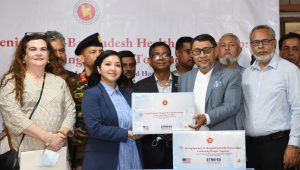
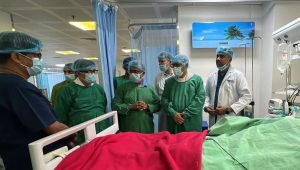
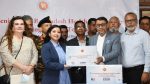
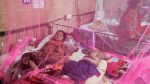
A new Infectious Healthcare Waste Treatment Plant was inaugurated at Rangamati District Hospital on 27 April to improve hospital safety, environmental protection and public health resilience in the Chittagong Hill Tracts (CHT).
The initiative, supported by the Government of Japan and implemented by the United Nations Development Programme (UNDP), aims to establish a safer and more systematic healthcare waste management system in one of Bangladesh’s most geographically challenging regions.
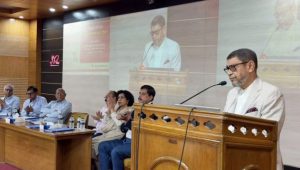
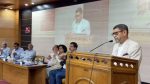
Speaking at the event, Chittagong Hill Tracts Affairs Minister Dipen Dewan emphasised the people-centred approach of the initiative.

“This initiative places a strong emphasis on people, strengthening safety, improving public health, and building the capacity of frontline workers, including staff, nurses, and technicians,” he said.
Stefan Liller, delivering remarks at the inauguration, highlighted the broader significance of healthcare waste management.

“Healthcare waste management is not only a technical issue. It is a public health issue, an environmental issue, and a systems issue,” he said.
He also underscored the importance of investing in systems and people, particularly in remote regions. “In remote and geographically challenging areas such as the CHT, the safe management of healthcare waste is especially important to protect patients, healthcare workers, waste handlers, surrounding communities and the local environment,” he added.
Naoki Takahashi, Minister/Deputy Head of Mission of the Embassy of Japan in Bangladesh, said, “Against the backdrop of the COVID-19 pandemic, the safe management of infectious healthcare waste became an urgent challenge. Through this initiative, the Government of Japan, in partnership with UNDP and the Government of Bangladesh, has supported hospitals in the CHT with essential equipment, training, and guidelines.”
The facility inaugurated in Rangamati is part of a broader initiative supporting 17 public hospitals across the CHT, which collectively generate more than 3,120 kilograms of healthcare waste each day. The project has introduced modern waste treatment technologies, including autoclaves and microwaves, alongside improved segregation, storage and transportation systems.
Beyond infrastructure, the initiative has prioritised capacity development and behavioural change. Hundreds of healthcare workers, waste handlers and local authorities have received hands-on training in safe waste management practices.
High Commissioner of Canada in Bangladesh Ajit Singh and Country Director of the Asian Development Bank Hoe Yun Jeong were also present at the launch.