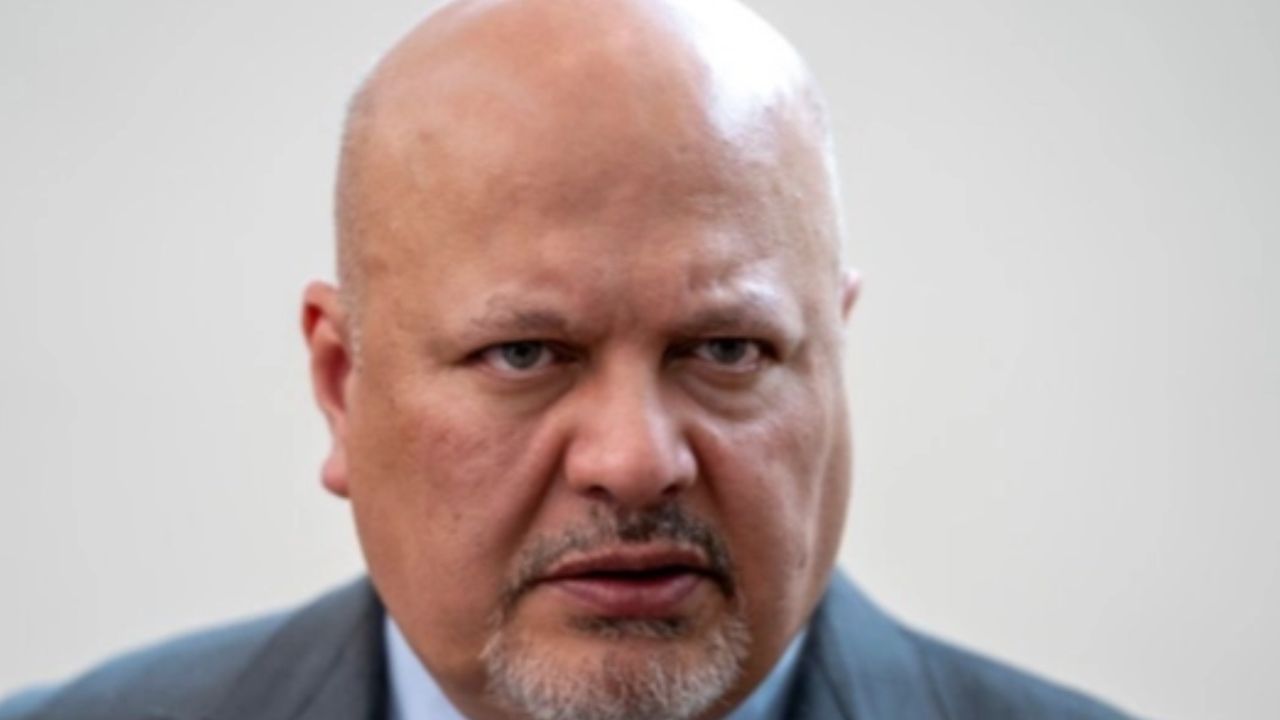



The International Criminal Court (ICC) on Friday voted to remove Chief Prosecutor Karim Khan from office over sexual misconduct allegations, nearly two years after the claims first emerged.
The ICC’s 125 member states approved the decision by a large majority, citing “serious misconduct and serious breach of duty,” according to the court’s oversight body, the Assembly of States Parties.
Khan, a 56-year-old British lawyer, has denied allegations that he engaged in sexual misconduct involving a female aide. According to documents reviewed by The Associated Press, he had a sexual relationship with the woman and allegedly tried to stop her from pursuing the accusations.
Human Rights Watch welcomed the decision, saying the ICC must uphold the highest standards of accountability and ensure a safe workplace with effective systems for addressing abuse, including sexual harassment.

The Assembly of States Parties will now begin the process of electing a new chief prosecutor. The successor is expected to inherit major challenges, including sanctions imposed by the Trump administration against the court.
Khan’s legal team criticised the process that led to his removal, arguing he was not given a fair chance to defend himself. His lawyer, Tayab Ali, said Khan was prevented from addressing Friday’s session and claimed the rules had been changed to disadvantage him. He said the decision would be challenged through all available legal avenues.
The leadership change comes as the ICC faces mounting pressure from the United States.




Last week, US Secretary of State Marco Rubio announced what he described as a broad campaign to weaken the ICC, saying Washington would encourage member states to leave the court, sanction organisations cooperating with it and restrict travel to the United States for court staff. He also urged countries benefiting from US security support to reject the court’s jurisdiction over American citizens.
Hours after the vote, Venezuela announced it was withdrawing from the ICC. Foreign Minister Félix Plasencia accused the court of showing geographical bias by focusing disproportionately on African and Latin American countries.
Earlier this year, ICC prosecutors ended an investigation into whether US sanctions on Venezuela amounted to crimes against humanity, citing insufficient evidence.
However, a separate investigation into alleged crimes committed by Venezuelan security forces under former President Nicolás Maduro remains ongoing.
The Trump administration has already imposed sanctions on Khan and 12 other ICC staff members in response to arrest warrants issued against senior Israeli officials, including Prime Minister Benjamin Netanyahu and former Defence Minister Yoav Gallant, over the Gaza war, as well as investigations involving US personnel in Afghanistan.
Experts say the allegations against Khan became intertwined with the court’s Gaza-related investigations, particularly because they involved arrest warrants against officials from a close US ally.
Khan’s removal will not affect the arrest warrants issued in 2024 against Netanyahu and Gallant, as only ICC judges have the authority to withdraw them.
Assembly President Päivi Kaukoranta urged the international community to respect the dignity and privacy of everyone involved in the case and thanked member states for handling the matter with unity while safeguarding the court’s integrity.