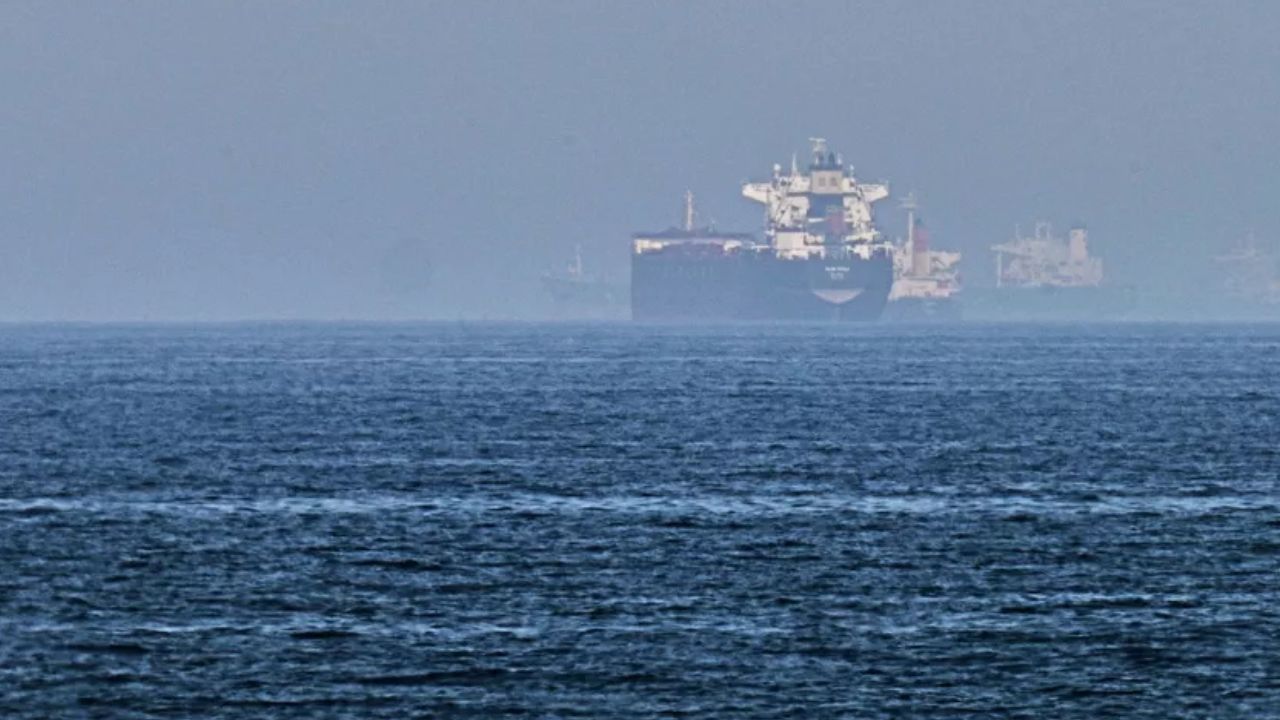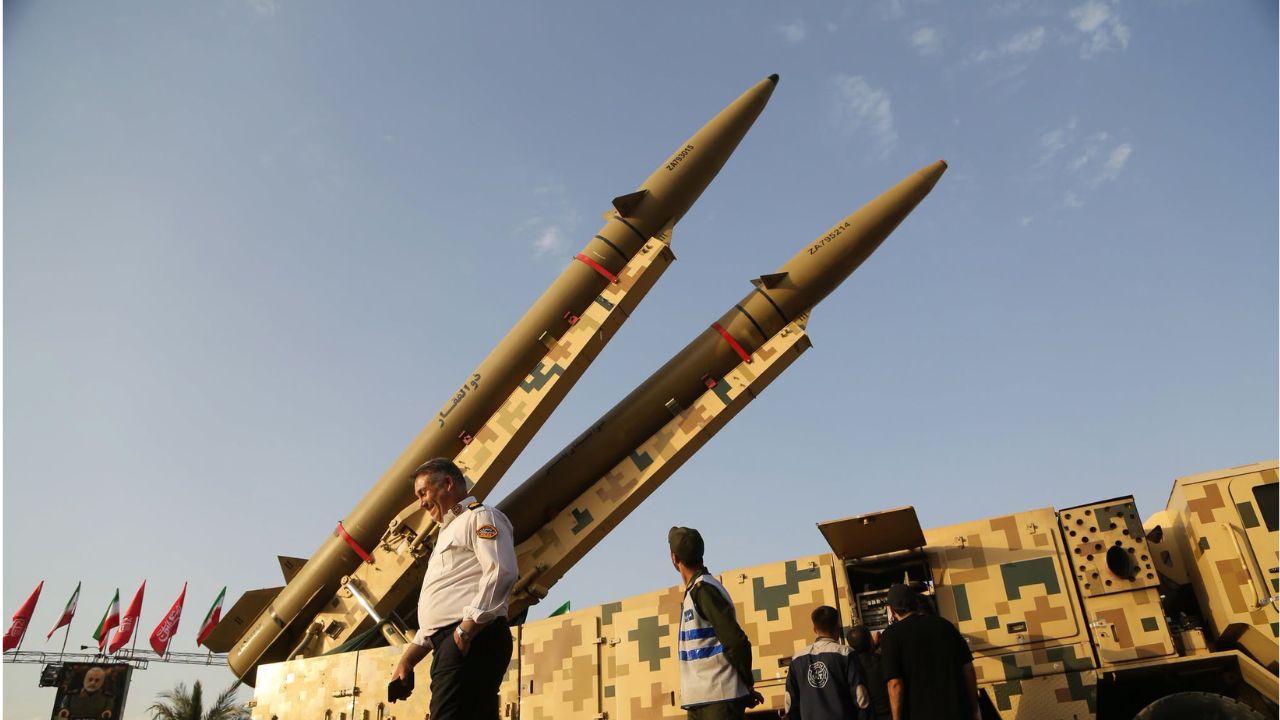

Yemen’s Houthi rebels launched missiles and drones at Saudi Arabia on Saturday, striking Aramco oil facilities in the Red Sea cities of Yanbu and Jizan, in retaliation for Saudi air raids on the Houthi-held port of Hodeida and nearby Kamaran island, according to reporting by the Associated Press (AP).
Houthi military spokesman Brig. Gen. Yahya Saree confirmed the attacks in a pre-recorded statement, while Saudi authorities had not immediately responded. Saudi civil defence said air raid sirens sounded repeatedly in Yanbu and Jizan, and Bahrain also issued missile alerts, though no casualties were reported from the exchange.
The flare-up came against the backdrop of a much wider and increasingly volatile Middle East conflict, AP reported.
A ceasefire reached in June, following an interim agreement aimed at ending hostilities between the United States, Israel and Iran, collapsed in early July after Iran was accused of attacking three vessels in the Strait of Hormuz — a critical corridor for global energy shipments.

Washington responded with strikes on dozens of Iranian targets, prompting Tehran to retaliate against US-allied Gulf states.
According to AP’s reporting, Iran reported no overnight strikes for the first time in nearly two weeks, a pause an Iranian health ministry spokesman described as “a peaceful night” in a social media post.
US Central Command did not immediately comment on whether the pattern of nightly strikes, sustained over 13 consecutive nights, had genuinely ended.


The renewed hostilities have taken a heavy toll. Iran’s health ministry has put the death toll since the war began on 28 February at 3,434, including 55 killed in the latest escalation, AP reported.
Eighteen US service members and 24 Israeli civilians have also died, alongside smaller numbers of casualties elsewhere in the region. In Lebanon, more than 4,000 people and 38 Israeli soldiers have been killed after Hezbollah, an Iranian-backed group, entered the fighting in support of Tehran.
US strikes have progressively widened in scope, according to AP, moving from Iran’s naval and coastal defences towards bridges, infrastructure and targets deeper inside the country.


Coastal provinces including Khuzestan, Bushehr and Hormozgan have borne the brunt, with the port city of Bandar Abbas particularly badly hit. Strikes have also reached the islands of Qeshm, Abu Musa and Kish, as well as military sites in Sistan and Baluchistan province along the Gulf of Oman.
AP’s reporting detailed extensive infrastructure damage: at least six bridges and a tunnel near Bandar Abbas were destroyed, apparently to cut off Revolutionary Guard bases from the rest of the country, alongside a railway junction to the west of the city.
Communications infrastructure, including a maritime tower and the offices of Iran’s radio-frequency regulator, has also been targeted, along with a desalination plant in Jask that disrupted water supplies to roughly 10,000 residents, and a water pumping station in Khuzestan where one person was killed.
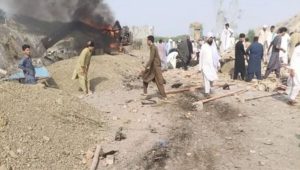
Further afield, a US strike on a border crossing with Iraq killed two people amid crowds of pilgrims, AP said, while an Iranian strike on US bases in Jordan killed at least three soldiers. US President Donald Trump has warned that Washington will strike a power plant or bridge in Iran for every Houthi or Iranian attack on shipping in the strait.
By the third day of the renewed campaign, US strikes had moved further inland, hitting Revolutionary Guard and missile-production sites, including the Khojir complex near Tehran and a barracks in Iranshahr that killed seven soldiers, AP reported.
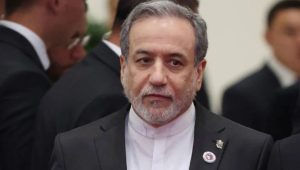
Amid the escalation, Iranian Foreign Minister Abbas Araghchi called for “diplomacy and dialogue” to resolve the Yemen conflict, according to comments published in state media, as Houthi forces this week also targeted two Saudi oil tankers in the Red Sea — raising fears of renewed disruption to shipping routes through one of the world’s busiest maritime corridors.