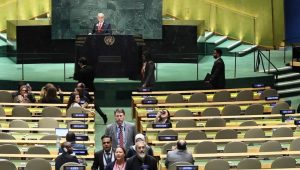

Iran has outlined a plan to reopen the Strait of Hormuz within seven days, presenting it to the United States through intermediaries as Qatar relays messages between the two sides at the United Nations General Assembly in New York.
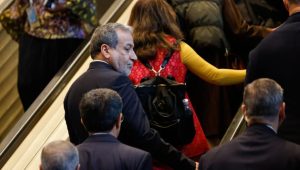
Foreign Minister Abbas Araghchi, speaking on Thursday on the sidelines of the UNGA, said the timetable could begin immediately once Washington accepted the proposal.
Both governments have spoken positively about the indirect exchanges facilitated by Qatar, though neither has signaled a breakthrough as the war nears its seventh month, reports Al Jazeera.
Analysts caution that a durable peace deal remains unlikely. Tehran continues to push for the framework of an earlier agreement that would give Iran and Oman a central role in managing the strait before moving to broader peace talks. Washington, by contrast, insists that Iran’s nuclear program should be addressed at the outset.
Iran has repeatedly stated it will not engage in wider negotiations including nuclear discussions until the US lifts its naval blockade, repeals sanctions, and guarantees an end to strikes, among other conditions.

What Iran Has Proposed
Araghchi told reporters that Iran’s plan mirrors elements of the June 17 memorandum of understanding (MoU) briefly agreed with Washington, which eased tensions before collapsing. He said: “If certain conditions are met, the Strait of Hormuz would be open on the end of the seventh day and [peace] talks would restart.”
Under the June MoU, Iran allowed toll‑free passage through the strait for 60 days, creating space for peace talks. The new plan condenses that timeline and alters the sequence.
According to Al Jazeera’s Gabriel Elizondo, the proposal envisions fighting stopping on all fronts, including Lebanon, followed by the lifting of the U.S. naval blockade, removal of oil sanctions, and release of frozen Iranian assets. After seven days, the strait would reopen, and only then would nuclear talks begin.
Urban Coningham of the Royal United Services Institute said that Tehran is unlikely to secure sanction relief. He described Hormuz as a “clear Iranian red line,” noting that reparations for the war are improbable, leaving control of the strait as Iran’s main economic lever. “I cannot see them backing down from that,” he said.


Why the June Agreement Matters
The memorandum of understanding signed in June halted military operations across all fronts, including Lebanon, where Israeli forces had launched strikes and occupied territory. It created a 60‑day window for negotiations toward a lasting peace settlement, while granting U.S. waivers for Iranian oil exports and restoring maritime traffic through the Strait of Hormuz.
Like Iran’s current proposal, the June deal deferred sensitive issues — notably the future of Iran’s enriched uranium stockpile — to later talks. But the arrangement collapsed the following month amid renewed clashes over shipping routes.
Urban Coningham said that Tehran’s latest plan mirrors the earlier model: “Open the strait within seven days, then start talks on the nuclear file.”
He added that Washington rejects this sequencing, preferring to address all issues as a single package.
How the New Proposal Pressures Washington
Coningham also sees political calculation in Iran’s decision to announce the plan publicly at the UN, as Americans face high fuel prices. He noted that Tehran framed the offer as a limited opportunity before the U.S. midterm elections, effectively pressing President Trump over oil and gas costs.
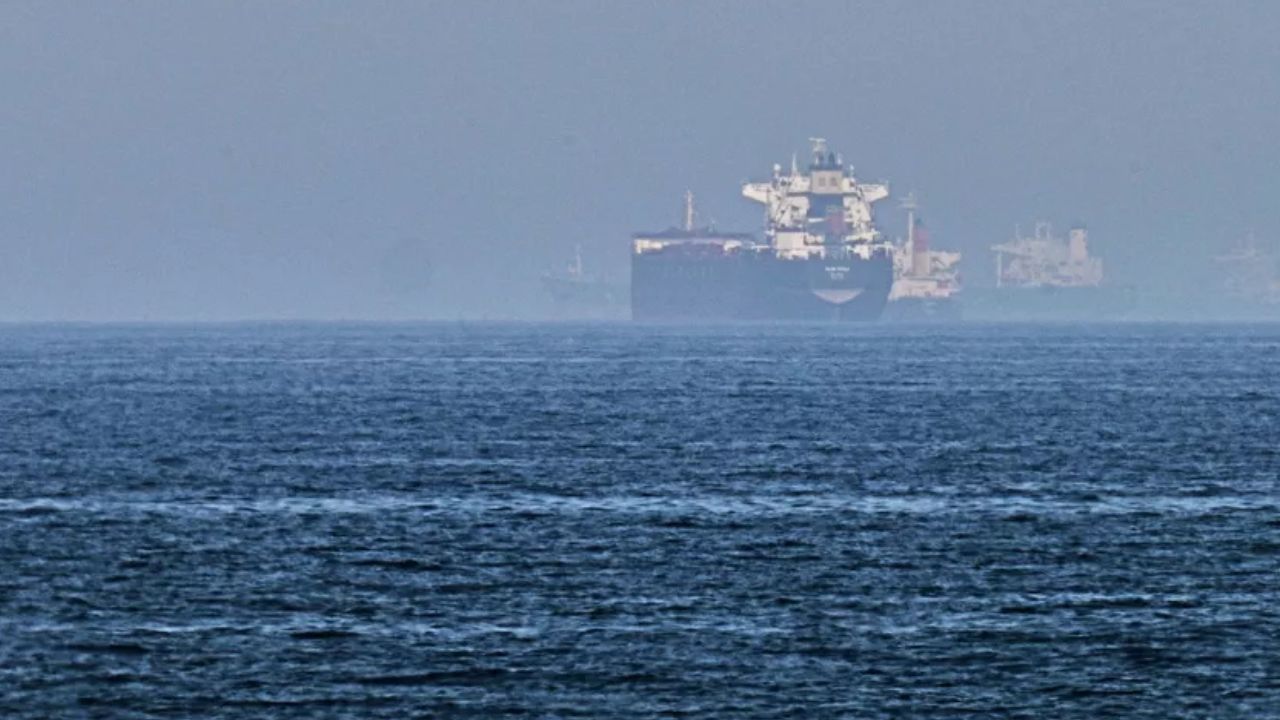
The Strait of Hormuz, lying between Iran and Oman, is a critical artery for Gulf energy exports. Disruption has driven global prices higher, giving both governments economic incentive to reach an accord despite deep differences.
For Trump, reopening the strait before the midterms could help lower fuel prices and provide Republicans with an electoral boost. Yet in his UN address, Trump accused Iran of waiting to see how his party fares in November, predicting a deal only after the vote. He threatened to “annihilate the Islamic Republic” if no agreement is reached, while insisting his decisions are unaffected by electoral timing: “The only thing that does is that Iran will never have a nuclear weapon.”
Coningham doubts the administration will bend, saying Trump appears ready to let the standoff continue through the elections since the proposal sidesteps the nuclear issue.
Where Broader US–Iran Talks Stand
On Tuesday, Araghchi met US envoy Steve Witkoff and Trump’s son‑in‑law Jared Kushner in Qatar‑mediated talks. He described the exchange as productive, with messages continuing to pass between the sides.
US Secretary of State Marco Rubio cautioned against calling the meeting a breakthrough. Burcu Ozcelik of the Royal United Services Institute said the main obstacle is that Washington and Tehran are working from different assumptions about leverage. She argued the Trump administration is unlikely to revive the failed June MoU, believing its naval blockade and sanctions are effective.
“The U.S. appears to believe it can wait this out until Tehran is prepared to make meaningful concessions,” Ozcelik said.
“But Iran remains defiant despite indications that it is hurting economically.”