United Nations’ highest judicial body, International Court of Justice (ICJ), will open full proceedings in a landmark case of genocide by Myanmar against its Rohingya Muslim minority on Monday.
This marks the first full genocide hearing at the World Court in over ten years, with the verdict expected to resonate globally, potentially influencing other prominent cases, including South Africa’s genocide allegations against Israel concerning the Gaza conflict.
Myanmar has consistently denied all accusations of genocide.
“The case is likely to set critical precedents for how genocide is defined and how it can be proven, and how violations can be remedied,” Nicholas Koumjian, head of the UN’s Independent Investigative Mechanism for Myanmar, told Reuters.

The case was initiated in 2019 by Gambia, a predominantly Muslim West African nation, which petitioned the ICJ, accusing Myanmar of perpetrating genocide against the Rohingya community in Rakhine State.
The military crackdown in 2017 drove at least 7,30,000 Rohingya across the border into Bangladesh, where refugees provided testimonies of widespread killings, mass rape, and the burning of villages.
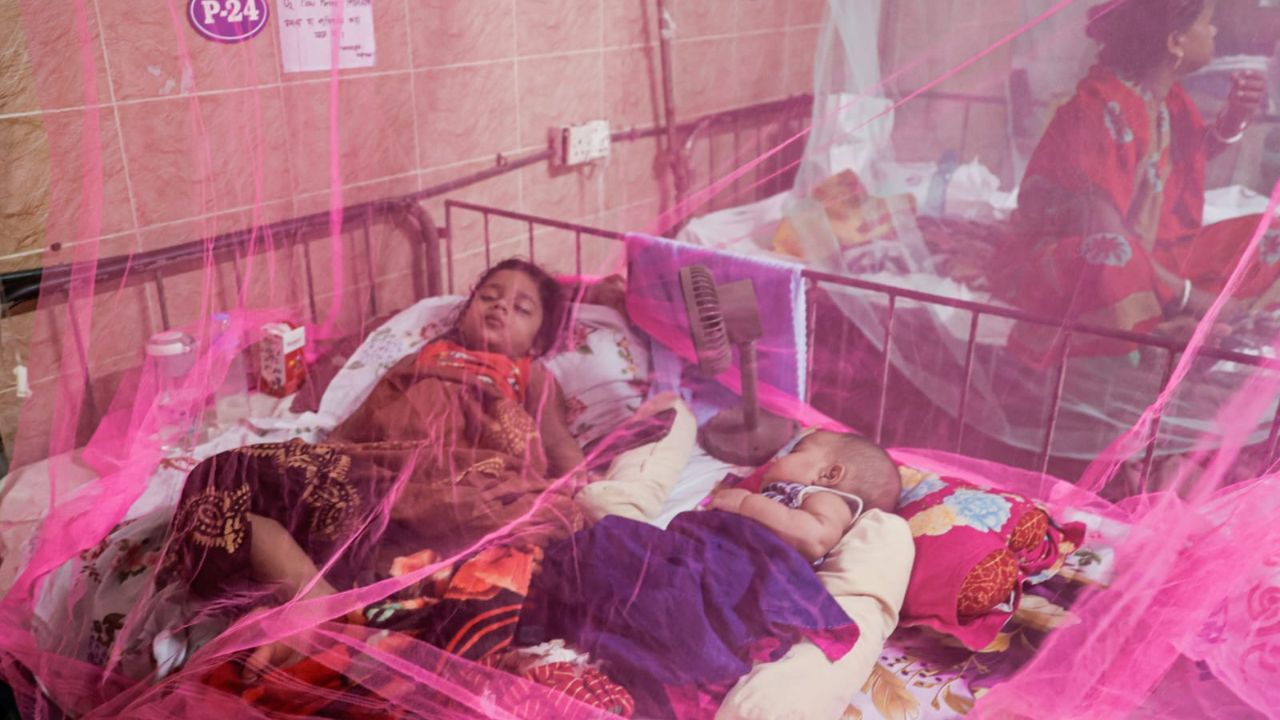


A subsequent UN fact-finding mission determined that the 2017 military operations included “genocidal acts”. Myanmar officials dismissed these findings, maintaining that the offensive was a legitimate counter-terrorism response to attacks by Muslim insurgents.
During preliminary ICJ hearings in 2019, Myanmar’s then leader, Aung San Suu Kyi, defended the nation’s actions, stating that Gambia’s accusations of genocide were “incomplete and misleading”.
The upcoming hearings represent a significant milestone, offering Rohingya survivors of the alleged atrocities their first opportunity to testify before an international court. These witness sessions, however, will be conducted behind closed doors, closed to media and the public, to ensure sensitivity and protect privacy.
Proceedings are scheduled to begin at 10am (Bangladesh time 3pm) on Monday and will continue for three weeks.
Myanmar’s internal situation has grown increasingly volatile since the military seized power from the elected civilian government in 2021, violently crushing pro-democracy demonstrations and triggering a widespread armed resistance.
The nation is currently conducting a phased election process, which has drawn condemnation from the UN, several Western governments, and human rights organisations for failing to meet standards of freedom and fairness.