
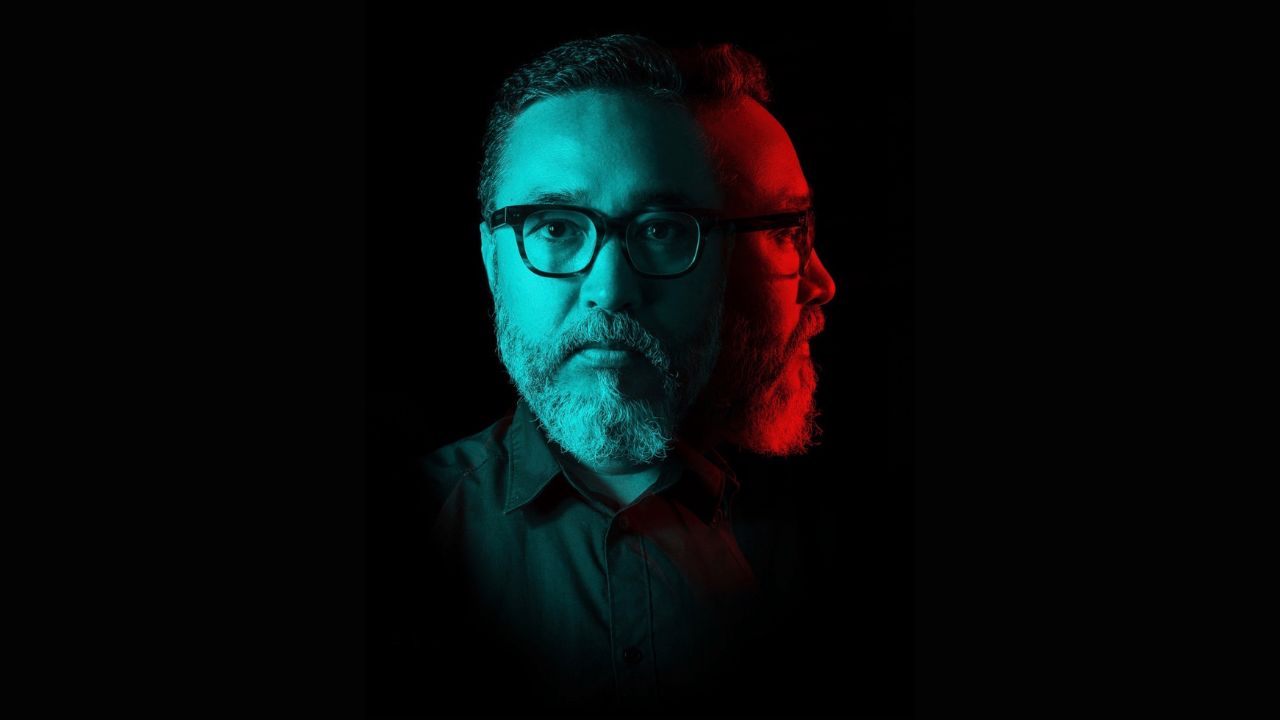



“I never sang because I thought I’d never be good at it.”
James Kabir still says it without hesitation.
The Stentorian guitarist never believed singing was his strength.
“Unlike my brothers, John Kabir and Anik Kabir, who are known for their vocals, I never believed singing was my strength” he said.
Yet while others found their voice, James found his purpose through the guitar. As Stentorian returns after a 20-year hiatus, he told Times of Bangladesh in an exclusive interview that the band’s comeback is also a reflection of the remarkable transformation of Bangladesh’s heavy metal landscape.
For James, Stentorian’s return is about more than new music. It is also a reminder of the journey Bangladesh’s heavy metal community has taken over the past two decades.
“When we started, we never lacked talent—we lacked opportunities,” he said.
Back in 2001, heavy metal bands had few places to perform. Recording studios charged by the hour, quality instruments were beyond the reach of many aspiring musicians and, without social media, bands relied on live concerts, CDs and word of mouth to reach listeners.

Today, James believes that reality has changed dramatically.
“People are far more aware of metal music now. They are exploring the genre with genuine interest, and musicians can practise, collaborate and even record from home,” he said.
The audience has evolved just as much.
Heavy metal once carried a strong stigma in Bangladesh. Many associated the genre with drugs, violence and reckless lifestyles. James believes those perceptions have changed considerably.
“Now I see parents encouraging their children to learn electric guitar and supporting their musical interests. They are also trying to understand the music their children enjoy. That is a very positive change for the Bangladeshi music scene.”




Although today’s musicians still face challenges, James believes they enjoy opportunities his generation never had.
“We never had a platform to share our music globally. Today, emerging artists can reach listeners through social media. It has made exposure much easier, which means more music is being created and more people are discovering heavy metal.”
He hopes that momentum continues.
Bangladesh now has a growing pool of young musicians exploring heavy metal from an early age, while the internet has made the genre more accessible than ever.
“If you have an instrument, you can start creating music from your own home and share it with the world through social media.”
James also credits fellow pioneers for helping build Bangladesh’s metal movement.
“We were fortunate to share studios and recording sessions with bands like Aurthohin and others. They inspired us then, and they continue to inspire musicians today.”
That same spirit of resilience defines Stentorian’s new single, Opekhar Shesh Prohor.
Recorded across three countries, the song brought together lead vocalist Torsha from Adelaide, Australia, James from Toronto, Canada, and the remaining members from Bangladesh.
“We all face different struggles in life, and this song reflects those experiences. It is for anyone who needs a reminder that hope still exists. It speaks about everyday battles, exhaustion and finding the strength to keep holding on.”
The comeback, James says, has been years in the making.
“We never stopped writing music during these 20 years.”
Stentorian has 18 unreleased songs and plans to release them one by one. The band also hopes to perform in Bangladesh, Canada and Australia.
Although the reunion was originally planned for 2020, family commitments delayed it until the members reunited during Eid in Bangladesh in 2025.
The new single also features guest appearances by Mehmood Afridi of Black and Wasim Khan of Eclipse.
Looking back, James hopes Stentorian will be remembered for staying true to its identity.
“We never saw our language or culture as barriers. Expressing heavy metal in Bengali has always been challenging, but we never let that stop us.”
For James, Stentorian’s greatest achievement may not be returning after two decades. It may be returning to a Bangladesh that has finally embraced the genre the band helped pioneer.
Once dismissed as music for outsiders, heavy metal has found a new generation of listeners. And as Stentorian begins its next chapter, James believes the movement it helped build has finally found what it had been searching for all along its audience.