On 24 December last year, a patient sent an SMS from Balaganj Upazila Health Complex in Sylhet to the designated complaints hotline of the Directorate General of Health Services (DGHS), alleging that the hospital had no gynaecologist.
Although the health directorate’s Grievance Redress System later recorded the complaint as “resolved”, the situation on the ground suggests otherwise, with no effective solution in place.
Happy Das, the head of Balaganj Upazila Health Complex Hospital, said that despite the DGHS marking the issue as resolved, no gynaecologist has been posted at the facility.
“Most women want to discuss personal health issues with a female doctor. They often cannot share everything with a male physician, and that remains a serious problem,” she told TIMES of Bangladesh.
This highlights the system’s failure to act on patient complaints or address long-standing weaknesses in government healthcare facilities.
The DGHS introduced the SMS-based complaint system over a decade ago to make healthcare more accessible and to allow patients and their relatives to directly report problems at public hospitals across the country. However, available data indicate that very few complaints are actually resolved.
Health directorate records show that in the past year only about 2.5% of complainants received any form of remedy after reporting their grievances, despite describing significant hardship.

Official figures show that over the past year nearly 13,000 people have sent SMSs on a range of issues directly with the health directorate through its SMS system.
An analysis of the grievance redress mechanism indicates that around 80% of these complaints are referred back to field-level officials for resolution, while about 18% appear to receive no follow-up at all.
Experts say the current system allows complaints to be submitted, but lacks an effective mechanism to ensure they are resolved. They describe it as a partial and incomplete effort, with what they call half-hearted implementation.
While a channel exists for lodging complaints, the process for resolving them is largely ineffective in practice, they say.
Public health expert Mushtaq Hossain said the government should ensure proper follow-up, maintain adequate staffing, and make sure feedback on complaints sent to the upazila level is accurately tracked and verified.


When contacted, DGHS Management Information System Director Abu Ahmad Al Mamun said the authority does not view “resolution” as limited to fixing a problem. He said responding to a complainant’s queries or providing explanations about an issue is also considered part of the resolution process.
He acknowledged that a resolution rate of just 2.5% remains very low and said ensuring an adequate number of doctors across facilities cannot be achieved quickly.
System in place, results lacking
The Grievance Redress System is a platform designed to receive and act on complaints or feedback from people using public healthcare services.
The SMS-based complaint and feedback mechanism was introduced in 2012 and operates across all levels of the public health system, from upazila-level primary healthcare facilities to national tertiary hospitals.
All text messages sent by service users are recorded on a publicly accessible national web portal. The portal displays the issues raised, the date the feedback was received, and the location of the service provider concerned.


Anyone can submit a complaint at any time by sending a text message. Each submission is reviewed by designated officials, who assess the nature of the complaint, forward it to the relevant authority for action, and update the portal to reflect the status of the response or resolution.
Health directorate data show that around 70% of feedback received through the system in the past year consists of complaints. Suggestions account for 14.8%, praise 14.4%, and other issues 1.2%.
The largest share of complaints relates to staff shortages, which make up 34.3% of the total. This is followed by infrastructure problems at 30.7%, difficulties in accessing services at 14.6%, and issues related to service readiness at 11.6%.
Patients and their families say they are most frustrated by the lack of resolution to these complaints, leaving them as the main sufferers of persistent shortcomings.
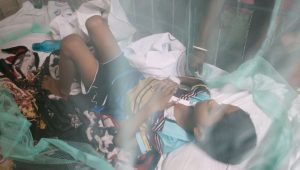
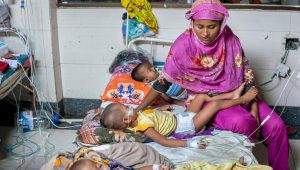
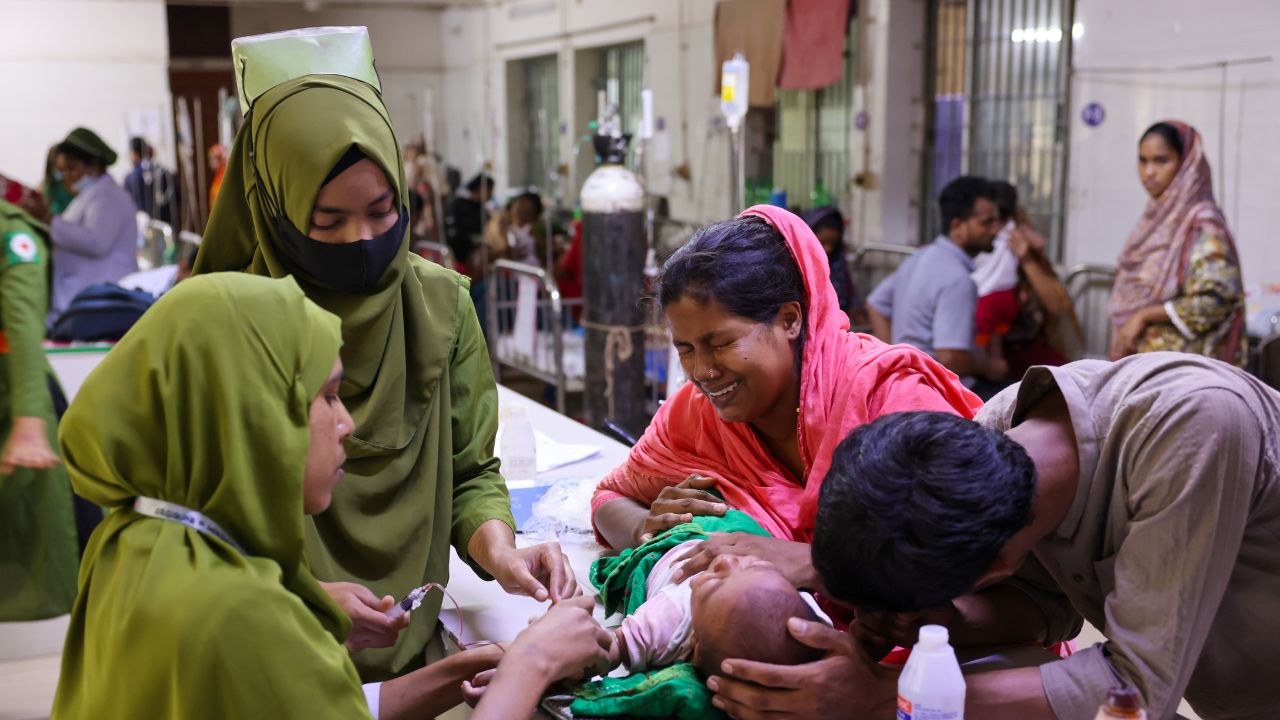
On the morning of 11 January this year, a complaint was sent from Magura District Hospital reporting a shortage of beds in the paediatric ward, with children falling ill as a result.
The message said that during winter many patients were forced to stay on the floor, worsening their conditions. DGHS’s grievance system later flagged the complaint as a major case and said action would be taken. However, the reality on the ground contradicts the official response.
“There is very little we can do at the moment, as there is no scope for expansion. Without government action, we have no immediate capacity to address the problem,” said Magura 250-bed Hospital Superintendent Mohsin Uddin Fakir.
He said although the hospital is designated as a 250-bed facility, only 100 beds fall under the medical college system. Of the remaining 150 beds, he said patient numbers rise to more than 400 on average during winter and exceed 500 in summer.
He said the paediatric ward has 42 beds, while the average number of child patients is around 150.
Complaints concerning justice and fairness account for 4.5%, while other issues make up 4.2%.
On 23 December last year, a patient lodged a complaint after allegedly being asked for a bribe while seeking treatment at Pirganj Upazila Health Complex Hospital.
When contacted, the head of the hospital, Masud Rana, told TIMES that he had been informed of the matter by DGHS. He said an investigation committee had been formed following the complaint against the accused official, but no action had yet been taken against the staff member.
“He initially admitted fault and apologised. If he is found guilty following the investigation, appropriate action will be taken,” Masud Rana said.
Meanwhile, more than half of all suggestions through the complaint system in the past year, around 57.3%, relate to workforce development, highlighting public demand for more personnel and improved service quality in the sector. Proposals concerning infrastructure account for 21.5%, access to services 11.3%, and service preparedness 7.2%.