




On a snow-covered street illuminated by the cold glow of neon signs, stands a man with nothing to lose, seeking a vengeance that would drive him to any lengths.
This is the world of Max Payne, a neo-noir action thriller released in July 2001 that introduced players to the broken life of an NYPD detective.
Max’s life was shattered when he returned home to find his wife and newborn daughter murdered by invaders high on the drug Valkyr, leading him to resign from the force and join the DEA as an undercover agent to infiltrate the New York underground.
The game’s title is a direct pun for “maximum pain,” representing both the devastating emotional trauma Max carries and the physical destruction he inflicts on his enemies.
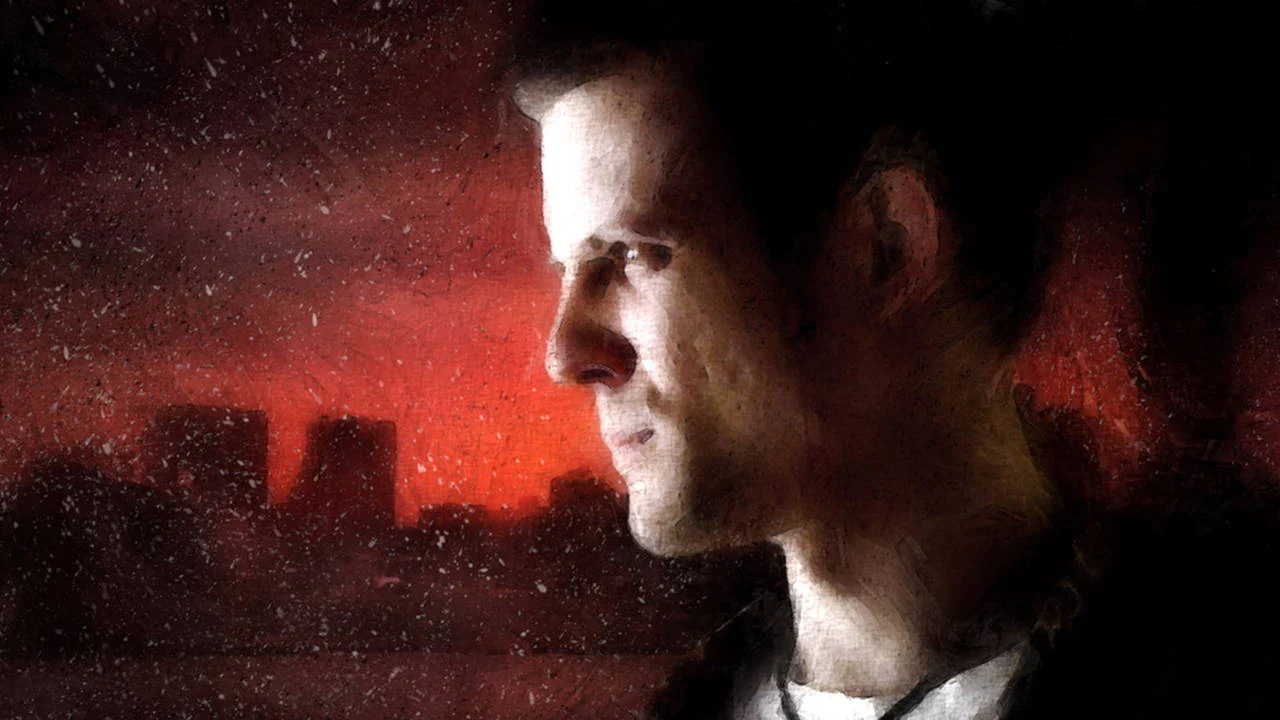
Creator Sam Lake described Max’s journey as a “Shakespearean vortex of remorse and violence,” where the character is trapped in psychological fractures rather than acting as a traditional hero.

The creation of this landmark title began in the basement of a small, amateur company in Espoo, Finland, called Remedy Entertainment.
With a team of only 20 to 25 people and no established gaming industry in Finland to guide them, the developers relied on trial and error for everything from coding to budget management.
The game actually evolved from a failed noir-themed tabletop roleplaying campaign that Sam Lake had been writing in his spare time. Throughout a grueling five-year development period, severe budget constraints forced the team to get creative.





Lacking the funds to hire professional actors, Sam Lake famously used his own face for Max Payne and recruited his own parents to model other major characters.
These financial limitations also shaped the game’s iconic visual style. Because they couldn’t afford a trip to New York City for reference photos, the team instead captured the industrial back-alleys of Helsinki at night and edited them to evoke a gritty Manhattan winter.
The celebrated graphic novel panels used for narration were born of necessity when fully animated 3D cutscenes proved too expensive. These panels, featuring manipulated photos with harsh chiaroscuro contrast, allowed the team to convey deep character emotion that contemporary 3D engines could not handle.

The game’s mature tone was anchored by the performance of the late James McCaffrey, who voiced Max with a cynical, poetic gravity that elevated the script beyond standard action fare.
McCaffrey, who passed away in 2023, was initially surprised by the depth of the hard-boiled dialogue, noting that it felt more like a theatrical Hollywood script than a simple video game.
This narrative depth was paired with the revolutionary Bullet Time mechanic.

While popularised by the film The Matrix, bullet time was planned from the start of development, allowing players to slow down time to dodge bullets and shoot from different angles, a feature that would go on to change the industry forever.
Upon its release, Max Payne became a massive critical and commercial success, winning the BAFTA Award for Best PC Game and selling approximately 4 million units in its debut year.
Its legacy has endured through two sequels, a live-action film, and highly anticipated remakes currently being developed by Rockstar Games.
As the game prepares to celebrate its 25th anniversary this July, it remains a watershed moment in video game history, remembered for its haunting atmosphere and uncompromising vision of grief and gunfire.