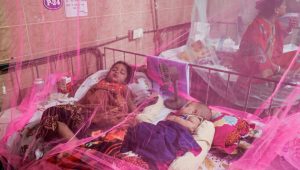
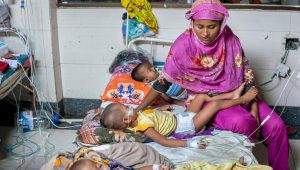
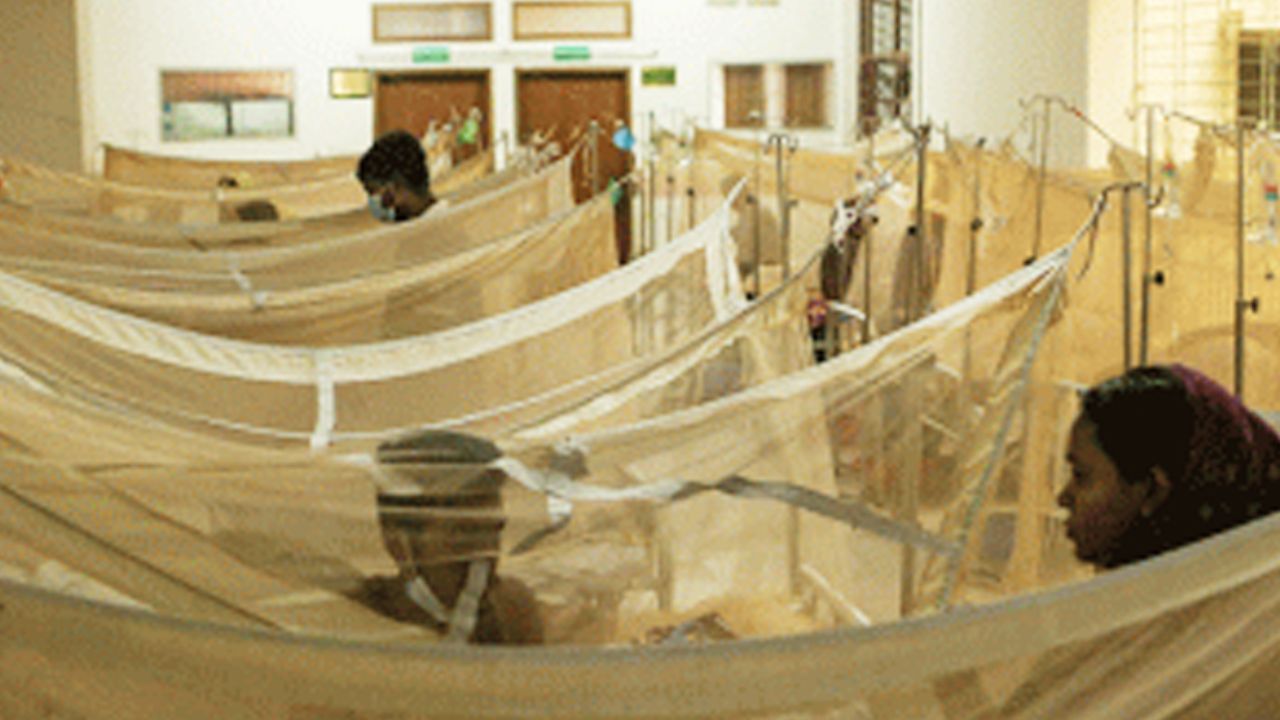
The new government is intensifying efforts to combat rising mosquito populations and the growing risk of dengue, as health authorities warn that coordinated action is essential to prevent a wider public health threat.
Officials say a multi-agency strategy has been launched to eliminate mosquito breeding sites, improve sanitation and ensure timely treatment for patients. City corporations, health departments and local administrations have been instructed to work together to implement preventive measures across affected areas.
A government source, speaking to TIMES of Bangladesh on condition of anonymity, said experts were being mobilised to respond quickly and prevent the situation from escalating.
“This time the government is serious. The focus is on results, not just talks,” the source said.
Authorities have issued a special action plan with clear directives to relevant departments, with city corporations expected to take the lead in maintaining cleanliness and removing mosquito breeding grounds. Officials stressed that eliminating stagnant water — the primary breeding site for Aedes mosquitoes, which transmit dengue — remains a key priority.

Health Minister Sardar Md Sakhawat Hossain announced the intensified campaign during a coordination meeting at the Health Ministry attended by officials from multiple government agencies.
“Authorities will increase mosquito eradication drives and public awareness campaigns, working together in a coordinated way,” he said.



State Minister of the same ministry MA Muhit said earlier delays in mosquito control efforts were partly due to administrative gaps in city corporations.
“Without administrators, progress was slow. Now, with administrators in place, we can accelerate the mosquito eradication drive,” he said.
Recent monitoring data highlights the urgency of the situation. A joint initiative by the zoology department at Jahangirnagar University and Dhaka North City Corporation found a significant rise in mosquito numbers.
Between 16 and 20 January, researchers trapped 17,159 mosquitoes. By 3 February, that number had increased to 22,362.
Survey sites included Uttara Sector 4, Mirpur Sections 1 and 2, Gulshan 1 and Mohammadpur. Experts warned that although Culex mosquitoes remain dominant, the risk of Aedes-borne diseases such as dengue could increase significantly with the onset of the rainy season.
Entomologist Golam Mostafa told TIMES that the country needed a coordinated national strategy guided by scientific evidence.
On the administrative side, Md Abdus Salam, administrator of Dhaka South City Corporation, said improving sanitation, expanding green spaces and strengthening mosquito control were among his immediate priorities.
He urged residents to participate actively, noting that many areas had suffered from long-term neglect.
He said the city administration aimed to significantly improve cleanliness within six months while gradually restoring greater civic responsibility to residents.
Meanwhile, Md Shafiqul Islam Khan Milton, the administrator of Dhaka North City Corporation, also indicated continued administrative engagement in mosquito control efforts, with further updates expected.