Eid-ul-Fitr arrives after a month of abstinence and self-purification. Beyond its religious significance, there is immense anticipation and planning surrounding this festival.
In Bangladesh, Eid-ul-Fitr is commonly known as “Rojar Eid”. It is a time for purchasing new clothes, entertaining guests with various delicacies, and visiting relatives and neighbours. While Eid food varies across regions and eras, sweets remain a staple in almost every culture.
Middle East
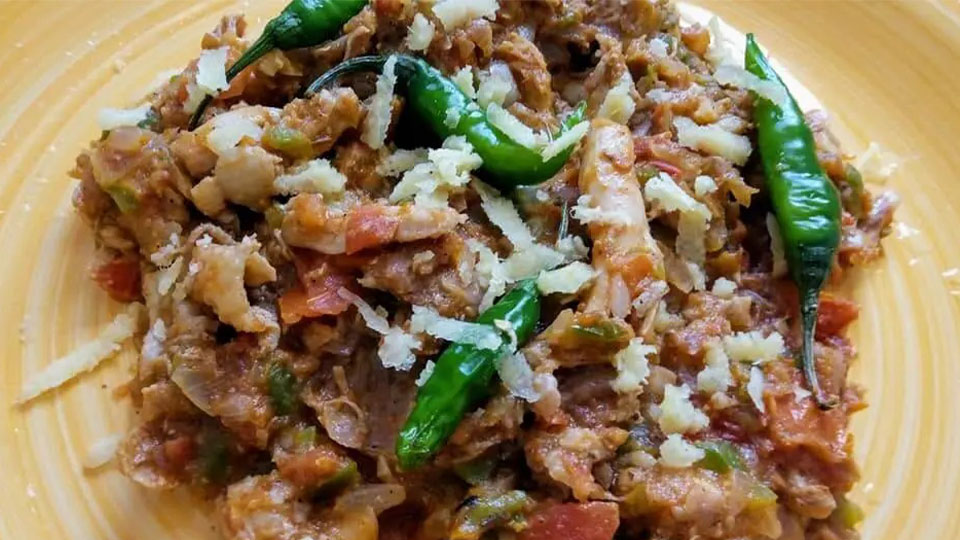
In Saudi Arabia, a dish called Mugalgal is consumed. This is essentially a stir-fry made of small pieces of lamb with green chillies, onions, and fresh tomatoes.
Bint al sahn is a popular Eid dish in Yemen. It consists of paper-thin, crispy layers of sweet bread, topped with black cumin and drizzled with honey.

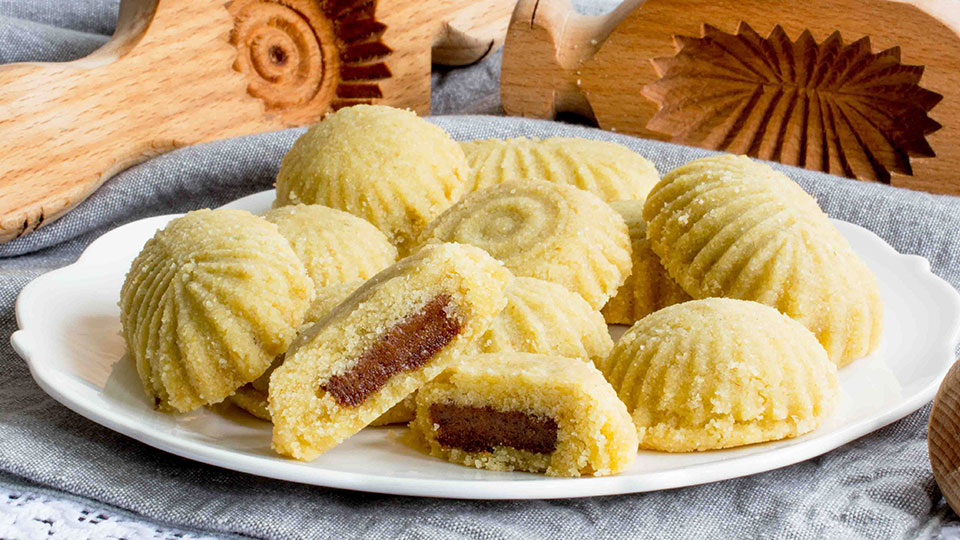
Maamoul, a type of shortbread cookie filled with date puree, walnuts, or pistachios, is popular in Syria, Lebanon, and many other Middle Eastern countries.
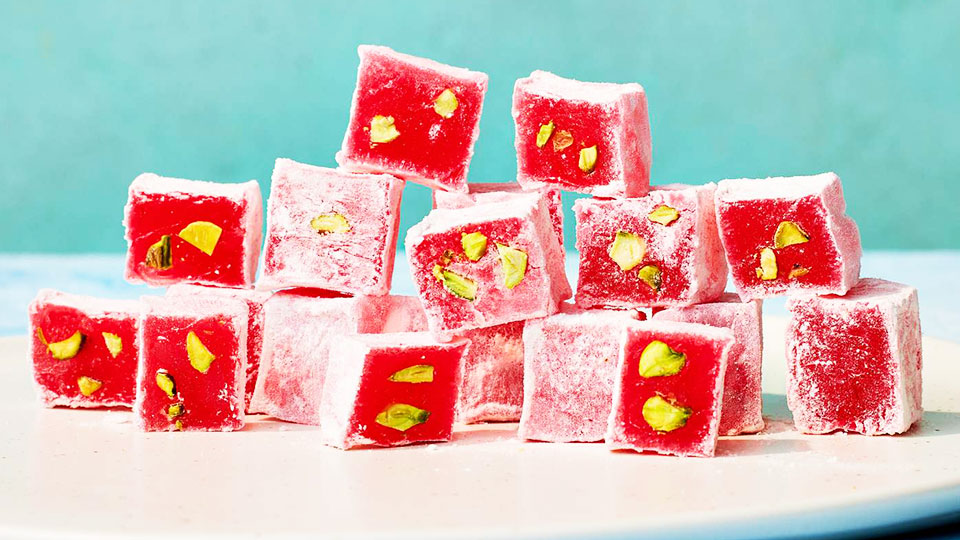
In Turkey, Lokum is served; it is a marshmallow-like confection known in English as Turkish Delight.




Asia
Chinese Muslims traditionally serve You Xiang during Eid. This is a deep-fried, round, crispy snack or fritter-like dish.
The dish Rendang is primarily eaten in Indonesia. A special preparation of beef, chicken, or lamb, the meat is simmered in coconut milk for a long period until it thickens and takes on a caramelised colour.
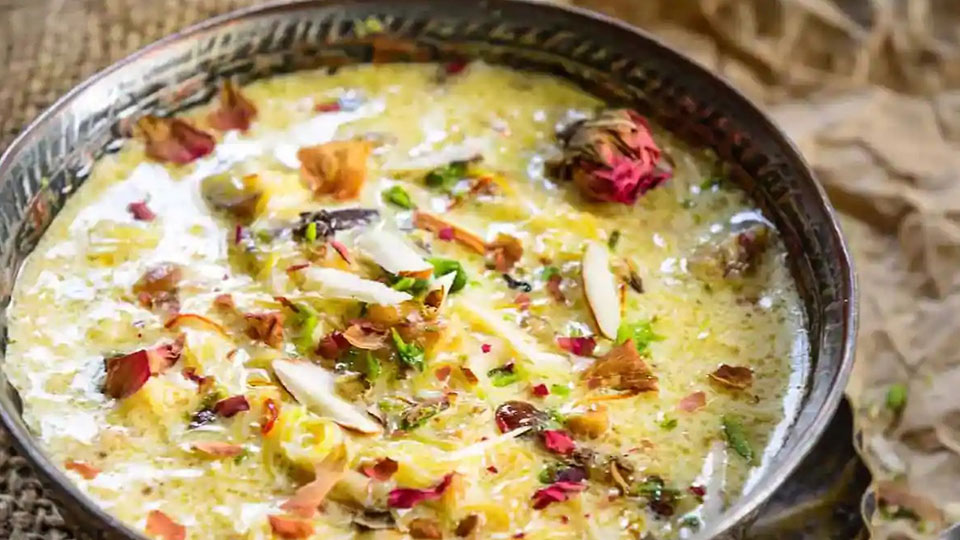
Sheer Khurma is a dish similar to vermicelli in milk (doodh semai). It is customary to eat Sheer Khurma in South Asian countries like Pakistan and India, where it is prepared with a generous amount of nuts and raisins.
Africa
In Morocco, Asida is served for Eid. It is a type of halwa made from semolina mixed with honey, primarily eaten for breakfast. Asida is also consumed in Libya and other North African countries, though it differs from the Moroccan version as it is made with wheat flour and honey.
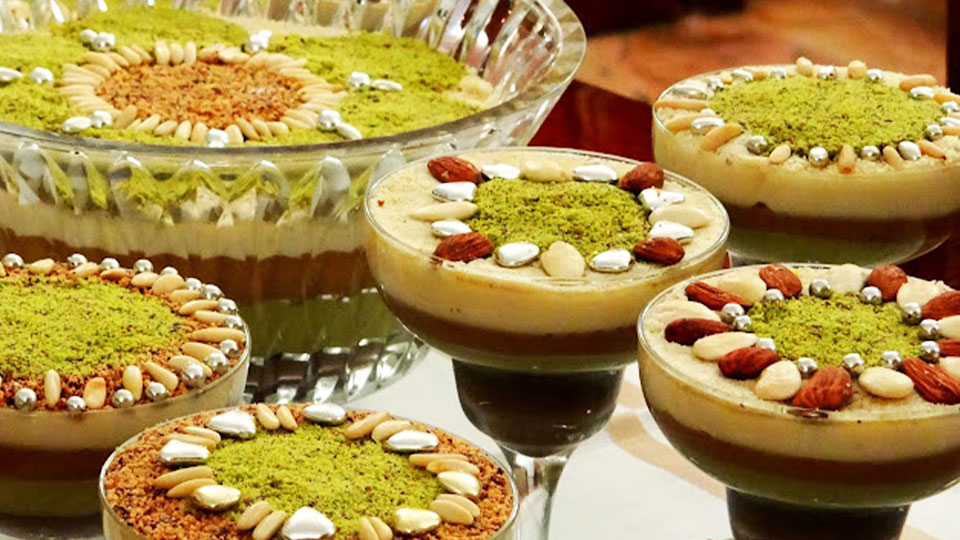
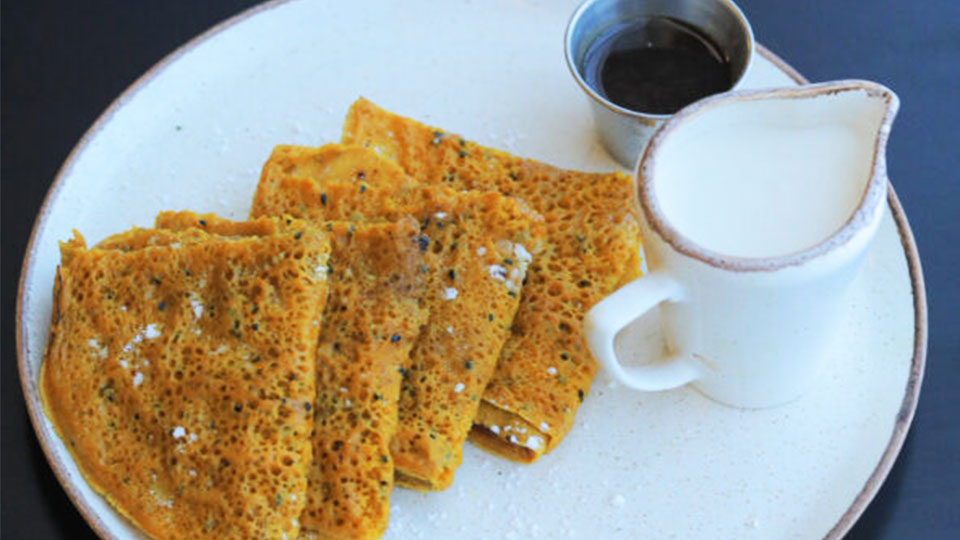
A type of fried sweet bread called Cambabur or Ambabur is eaten in Somalia and Djibouti, typically served with yoghurt and sugar.
In East African countries, including Kenya and Uganda, Pilau is served on Eid day – a delicious rice dish cooked within a meat stew or broth.