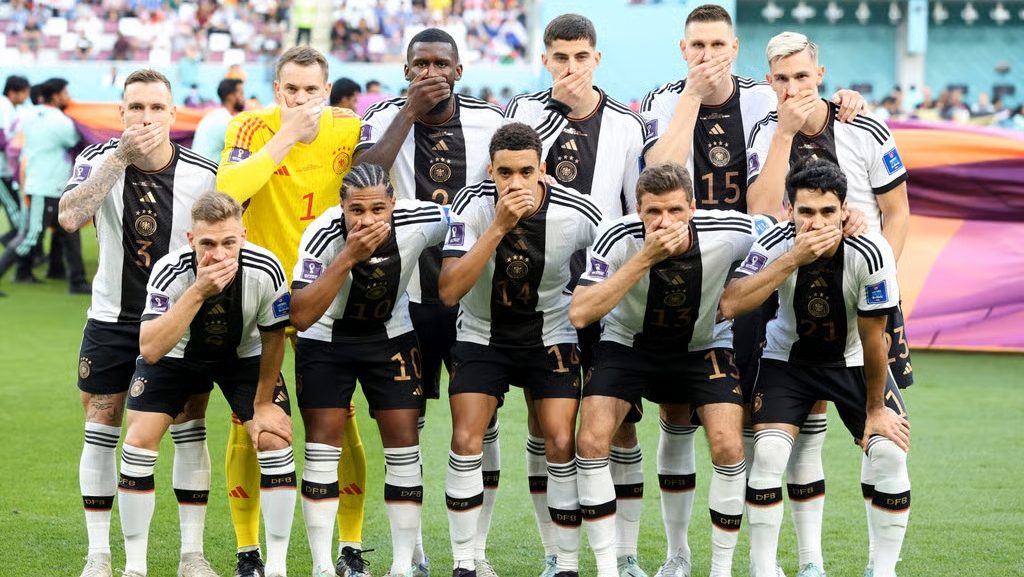



Germany have no plans to boycott the 2026 World Cup in the United States, Canada and Mexico, despite growing political noise across Europe. The debate gathered pace this week after comments from Oke Gottlich, a German FA member, triggered speculation about a possible protest. The DFB moved quickly on Friday night to shut the door on any such move.
The backdrop stretches well beyond football. US President Donald Trump’s renewed comments about Greenland and threats of tariffs against European nations stirred anger across the continent. That tension spilled into sport when Oke Gottlich, also the president of St Pauli, suggested Germany must “seriously think” about World Cup participation.
The DFB did not agree with the tone or the timing. In a firm statement, the federation stressed its belief in football’s unifying power and the global reach of the World Cup, arguing that the tournament should strengthen those values rather than block them. That stance reflects long-standing German policy: engage through football, not withdraw from it.

The federation confirmed its executive committee had discussed the boycott idea internally, after Gottlich raised it last week. However, the DFB made clear that such debates belong behind closed doors, not in public view, and insisted that a boycott does not form part of its current thinking. It also underlined ongoing dialogue with political, security, business and sporting stakeholders as part of World Cup planning.




Gottlich’s comments drew heavily on wider concerns about the United States. Trump’s stance on Greenland, his tariff threats towards European countries, policies on Venezuela, and the handling of domestic protests have all raised eyebrows. Immigration restrictions and travel bans affecting several nations, including some World Cup qualifiers, have added to the unease.
Former FIFA president Sepp Blatter even advised fans last week to stay away from the tournament. That view marked a notable shift, given Blatter’s opposition to calls for a Russia boycott ahead of the 2018 World Cup, when he famously argued that football should never face isolation.
Ticket prices and potential entry issues for supporters have also fuelled anxiety. Yet on the core question of Germany’s involvement, the message remains consistent. The DFB confirmed it wants to compete fairly against other qualified teams next summer and hopes fans around the world can celebrate the tournament peacefully, much like the European Championship hosted in Germany in 2024.