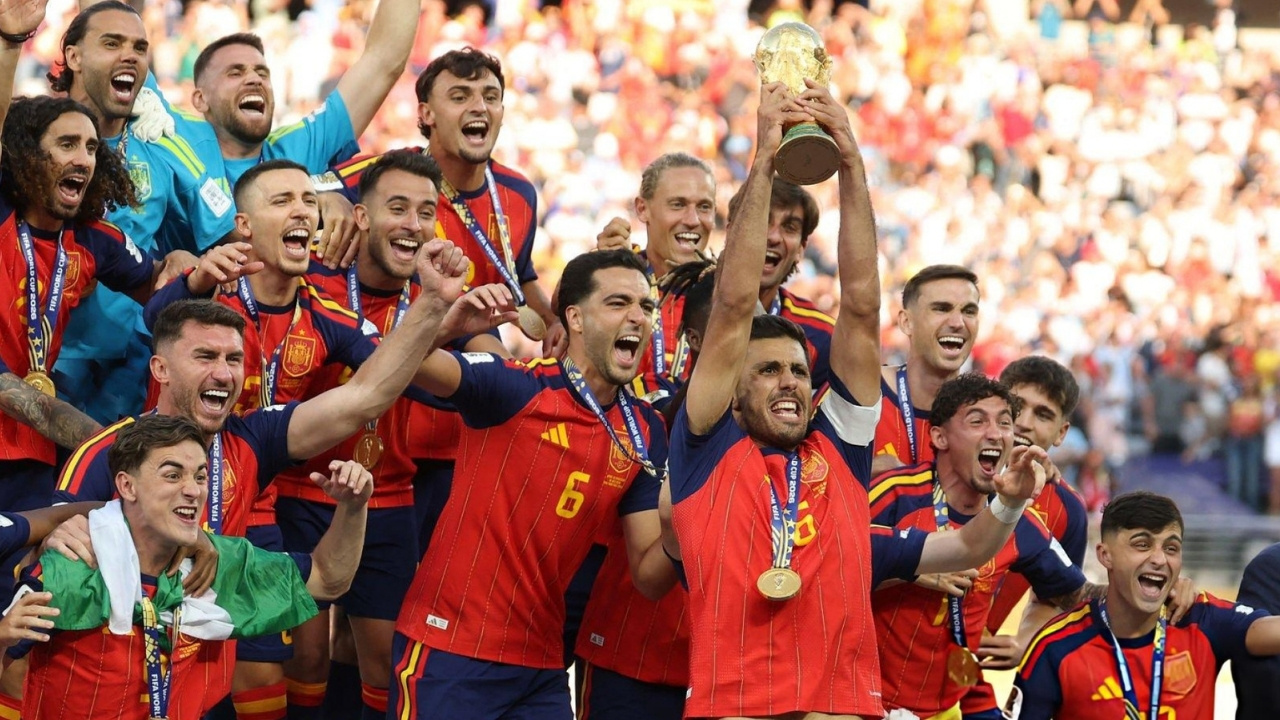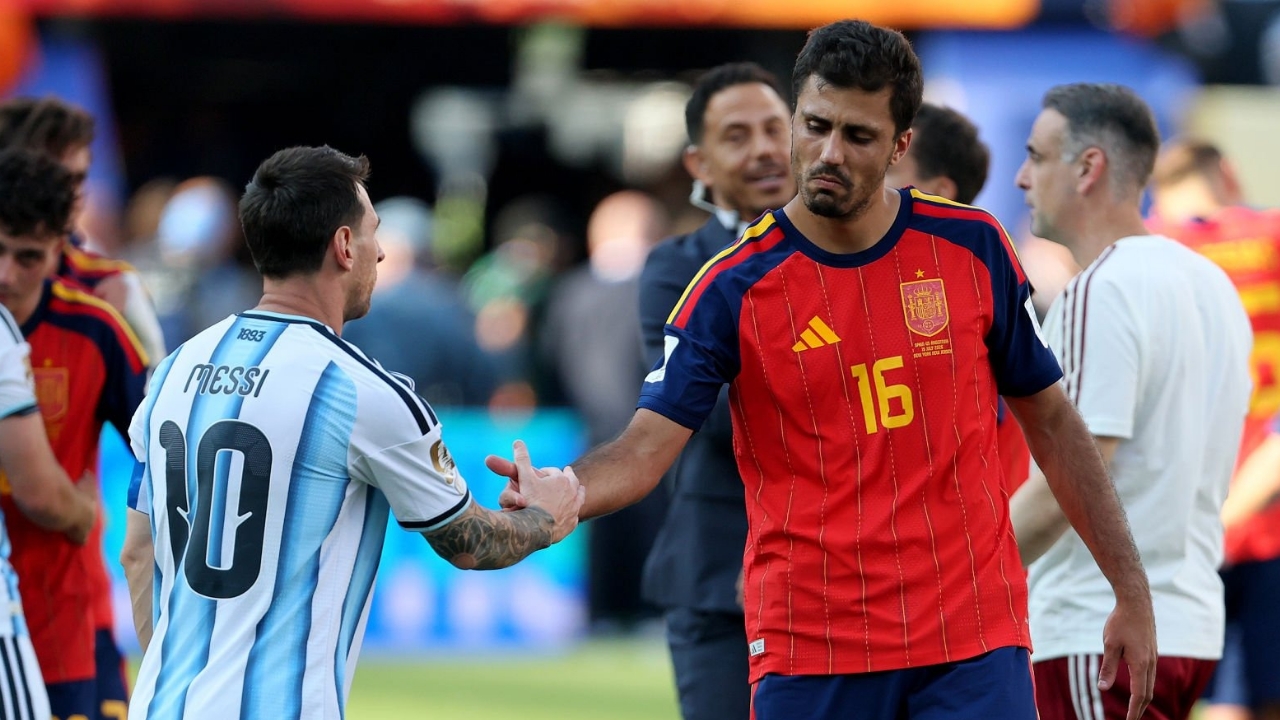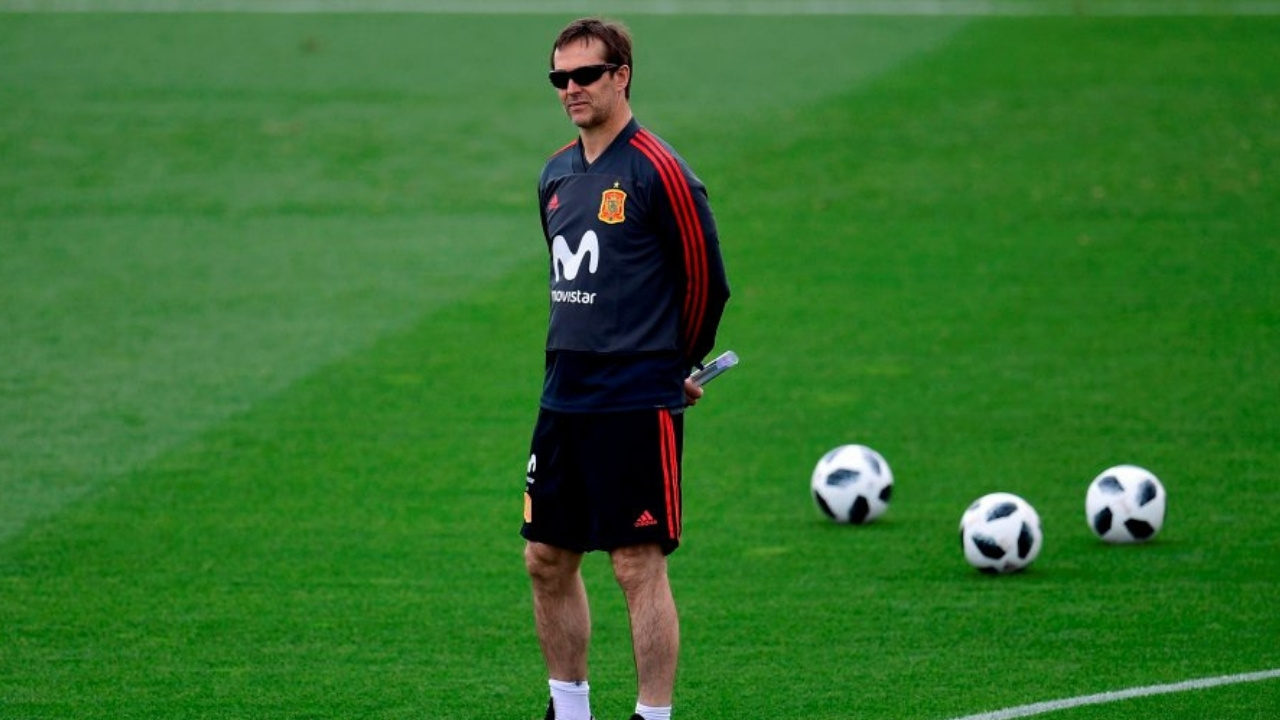

Julen Lopetegui knows what it looks like when Spain pick Argentina apart with their passing, but the former Spain manager says Monday’s World Cup final will be nothing like the nostalgic thrashing he once oversaw in Madrid.
Lopetegui was in charge the last time Spain faced Argentina, a 6-1 win at the Metropolitano in 2018, when Lionel Messi was absent and Spain suffocated their opponents in midfield. “It’s a wonderful memory because I think we played a brilliant match against a great team like Argentina,” he said. “We managed to close down the spaces in midfield, press high up the pitch, and the team put in a good performance. But these are two completely different matches. We’re talking about a World Cup final, not a friendly.”
Spain go into Sunday’s final off the back of a 2-0 semi-final win over France, in which they reduced the tournament’s most dangerous attack to frustration, denying them a single shot on target until after the 80th minute. France players later suggested they should have pressed higher and harder. Lopetegui, who coached Qatar at this World Cup and was part of Spain’s squad as a goalkeeper in 1994, said that plan sounds simpler on a tactics board than it plays out against Spain in practice.

“The theory is very simple, but it’s true that pressing a team like Spain isn’t straightforward, primarily because of their collective ability to understand the game,” he said. “It’s not a case of pressing one or two players. You have to press a great many potential ball recipients at the right moment, in the right space, and in the right decision-making situations.”
Beyond their structure, he added, Spain’s players are individually capable of escaping pressure on their own. “There’s their individual ability, in addition to their collective one, to get out of situations that many players aren’t capable of handling, in order to overcome that pressure and weaken you,” he said.

Both finalists want the ball, Lopetegui said, and both have players comfortable shaping the tempo of a match. But he believes Spain’s calm build-up from the back gives them a particular edge. “Against a team that wants to have the ball as much as Spain do, the opposition will naturally want to press them, but at the same time it’s also an opportunity for Spain to find more space,” he said. “In football, the blanket covers your feet but sometimes leaves your head exposed, doesn’t it?”
Spain’s goalkeeper and back four, he said, are composed enough to restart play cleanly and turn pressure into attacking openings, while Argentina also possess enough quality in midfield to retain possession under pressure.
For all the tactical detail, Lopetegui suggested the final may ultimately hinge on something simpler: nerve. “For me, the main strength of both teams is that they are very competitive,” he said. “When you push them to the limit, they usually respond well.” He pointed to Argentina’s knockout resilience and Spain’s trust in their own style. “Spain have been able to maintain their composure and calm, believing in their style of play, biding their time, and understanding that their superiority will sooner or later be reflected on the scoreboard,” he said.
Lopetegui expects Argentina to threaten through vertical runs from forwards and midfielders, with a 39-year-old Messi having reinvented his game for a different phase of his career. “He’s gained other qualities, such as making his teammates play better and optimising his runs into the box,” Lopetegui said. “This evolved version of Messi is a different player, and the national team perhaps plays differently to make the most of his strengths.”
Spain’s threat, by contrast, is spread across the team, he said, pointing to goals from Pedro Porro, runs from Marc Cucurella, and contributions from Fabian Ruiz, Mikel Merino and Pau Cubarsi. “It’s a team where it’s not just the forwards who attack, but the whole team, just as the whole team defends.”