On 14 December 1972, Eugene Cernan left the last human footprint on the grey lunar soil. As the Commander of Apollo 17, he issued a parting promise, “We leave as we came and, God willing, as we shall return.”
However, that return has remained unfulfilled for over half a century, with 53 years passing since that final step.
While humanity has since deployed robots to Mars and stationed sophisticated telescopes deep in space, no human has stepped onto the lunar surface in the intervening decades. The persistent question remains: why did the lunar expeditions stop?
A history rooted in imagination
This hiatus is not a product of mysterious conspiracies but is instead a complex history of politics, economics, technology, and shifting global priorities. To understand this narrative, one must look back to an era when lunar travel existed only in the realm of imagination.
The dream of visiting the Moon predates the modern era by centuries.
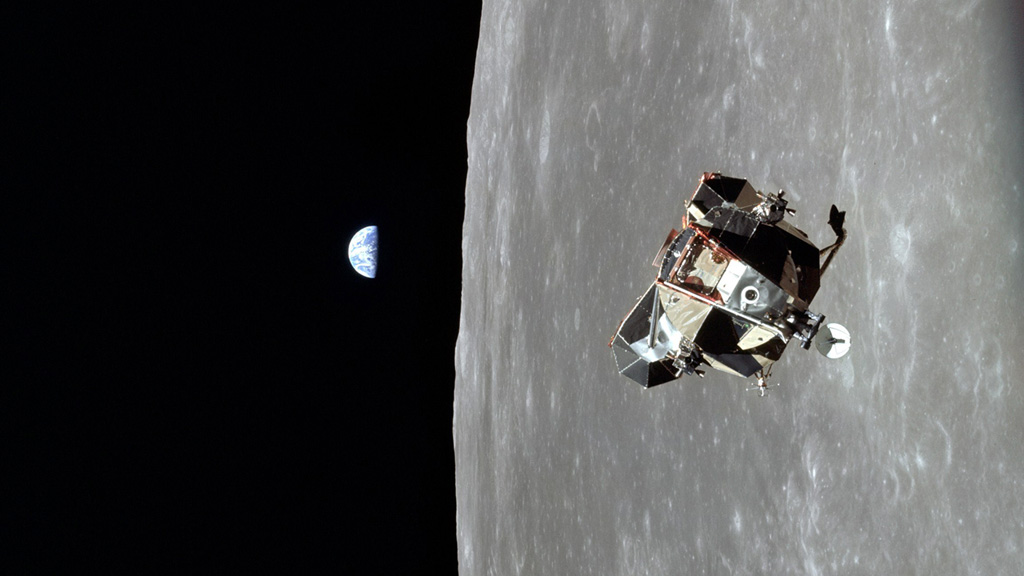
In the second century BC, the Greek writer Lucian of Samosata penned satirical tales of lunar voyages. Later, in the 17th century, the German astronomer Johannes Kepler provided a detailed scientific description of the Moon in his seminal work, Somnium.
Popular culture further cemented these concepts through French author Jules Verne’s 1865 novel, From the Earth to the Moon. Verne imagined travellers being launched from Florida via a massive cannon.
Many subsequent rocket scientists have credited such literature with sparking their childhood imaginations and driving them toward real-world exploration.

Dawn of rocket science
Real-world science began to catch up with fiction in 1903 when the Russian scientist Konstantin Tsiolkovsky published the first rocket equations, which formed the bedrock of modern astronautics.
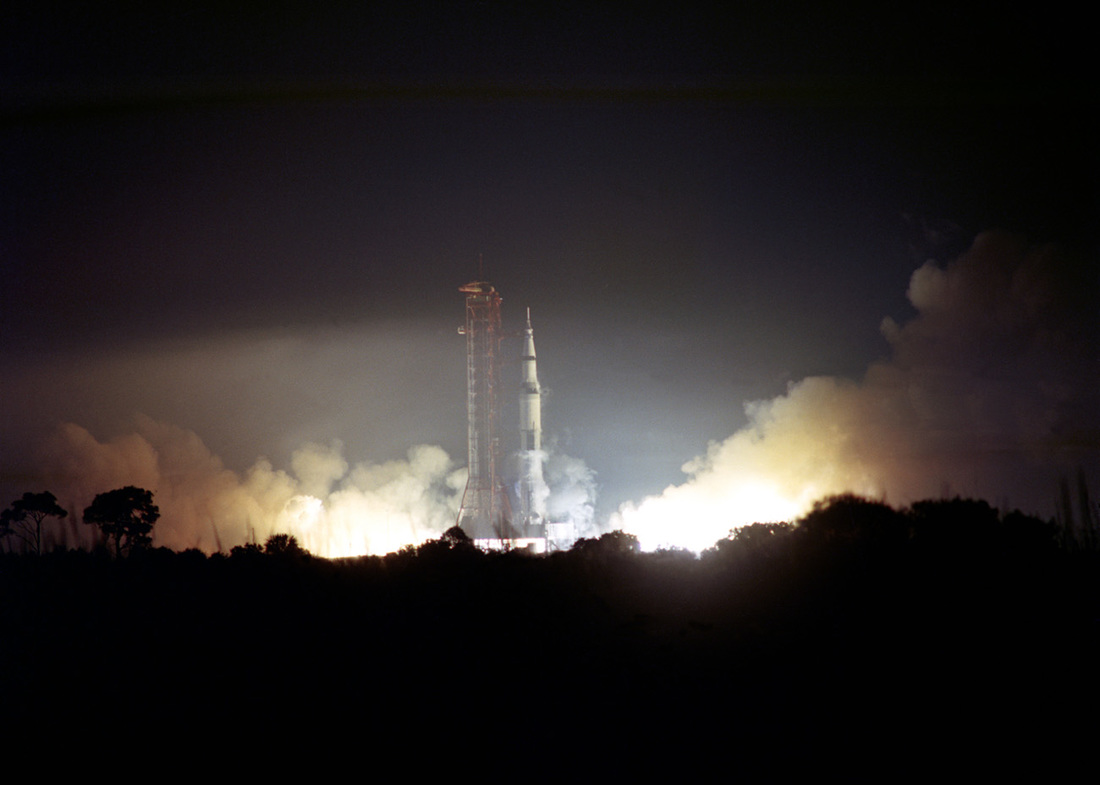
In 1926, American scientist Robert H Goddard achieved the first successful launch of a liquid-fuelled rocket. Later, the research of German engineers Wernher von Braun and Hermann Oberth led to the development of the V-2 rocket during the Second World War.
This technology eventually served as the foundation for modern space exploration missions.
Space race and cold war rivalry
Despite these advancements, reaching the Moon remained a distant dream until the “Space Race” was ignited by the shock of Sputnik 1.
On 4 October 1957, the Soviet Union launched the first artificial satellite, a small metallic sphere that circled the Earth and marked a turning point in human history. The event struck the United States like a thunderbolt.




The Los Angeles Times famously ran a front-page headline: “Soviet Satellite Circling Earth,” leading the American public to realise that the Soviet Union might have overtaken them in space technology.
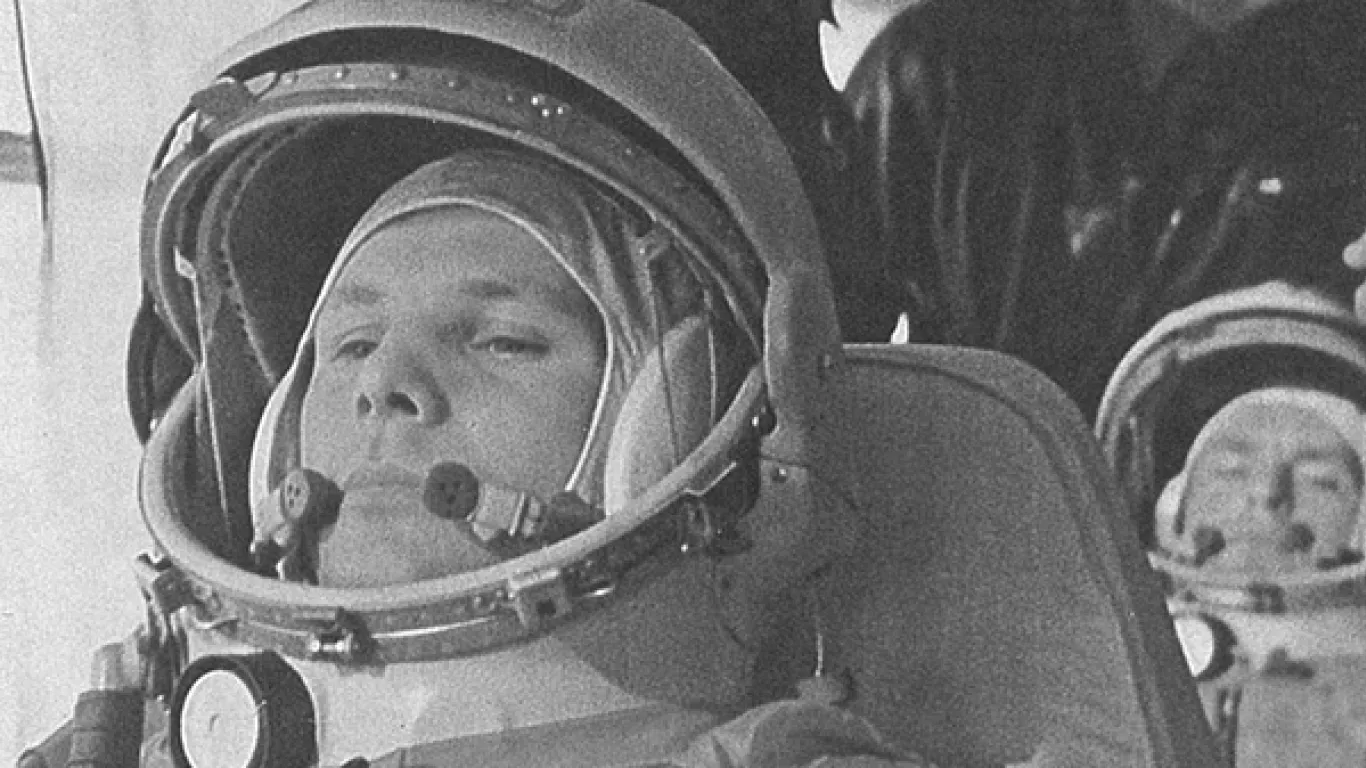
The pressure intensified on 12 April 1961, when Soviet cosmonaut Yuri Gagarin became the first human in space aboard Vostok 1.
Only weeks after Gagarin’s success, US President John F. Kennedy declared before Congress that the United States would land a man on the Moon and return him safely to Earth before the decade was out.
This declaration birthed the Apollo Programme, one of the most ambitious scientific projects in history, backed by a massive budget and the coordination of thousands of scientists.
The great propaganda war
The Space Race was far more than a scientific or technological endeavour; it was a vast propaganda war. During the Cold War, both the US and the USSR utilised space achievements to demonstrate the perceived superiority of their respective political systems.
Following the 1957 launch of Sputnik 1, Soviet media presented the achievement as a symbol of the “socialist system’s scientific power.”
When Yuri Gagarin returned from space in 1961, he was celebrated as a hero of the Soviet state through large-scale parades, posters, and international tours.
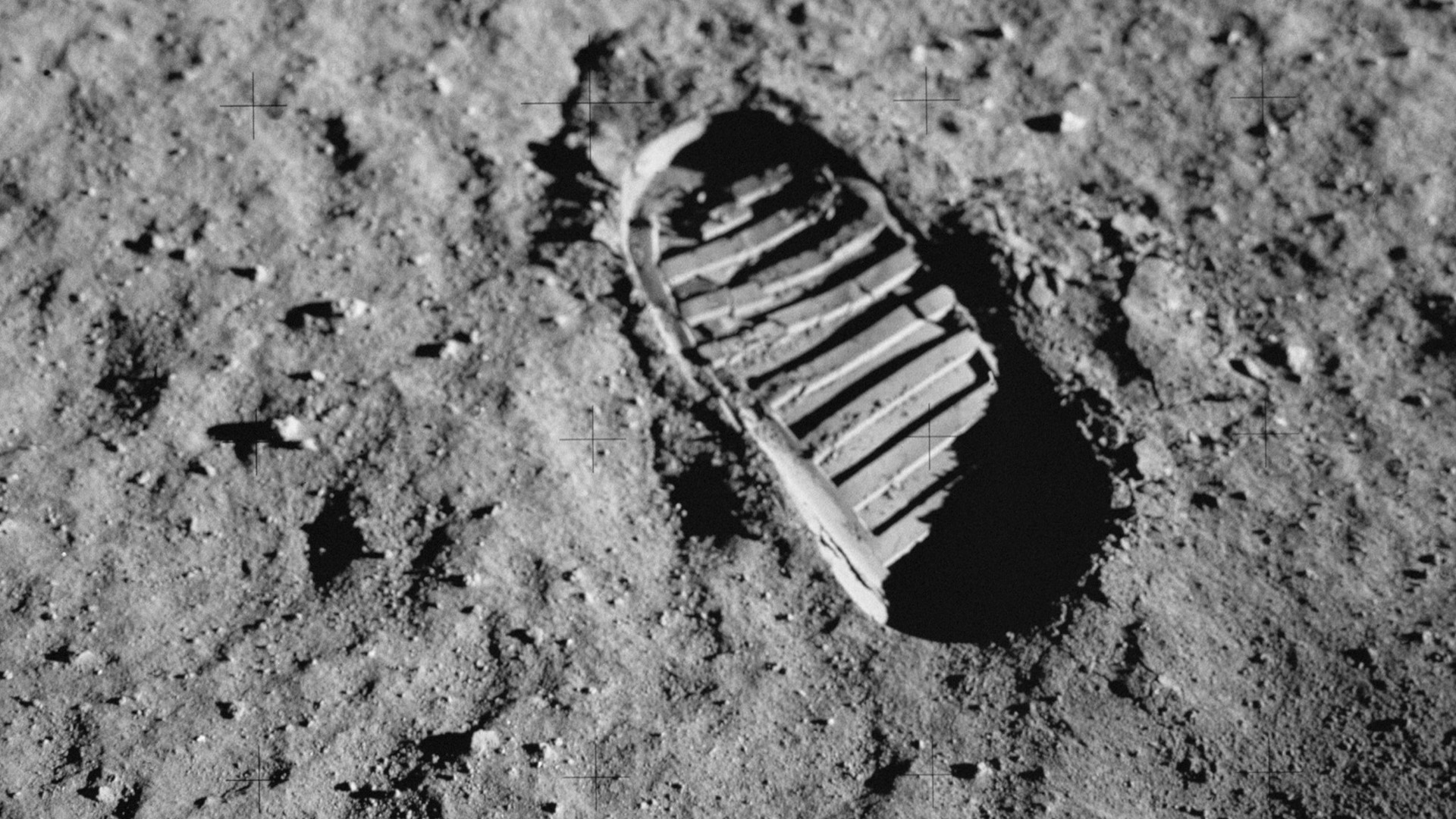
The United States was equally determined to showcase its ideology. When Neil Armstrong stepped onto the Moon during Apollo 11 in 1969, the event was framed not merely as a scientific triumph, but as a victory for “democracy, technology, and a free society.”
This success was integrated into school textbooks, political speeches, and live television broadcasts to cement it as a symbol of national pride.
Triumph and waning interest
On 20 July 1969, Neil Armstrong famously stated, “That’s one small step for [a] man, one giant leap for mankind.”
Over the following years, five more missions landed, with a total of 12 astronauts walking on the Moon, conducting scientific experiments and collecting 382 kilograms of lunar rock.
However, following Eugene Cernan’s final steps in 1972, the political will for lunar exploration diminished significantly. During the Apollo era, NASA’s budget accounted for nearly 4.4 per cent of the US federal budget.
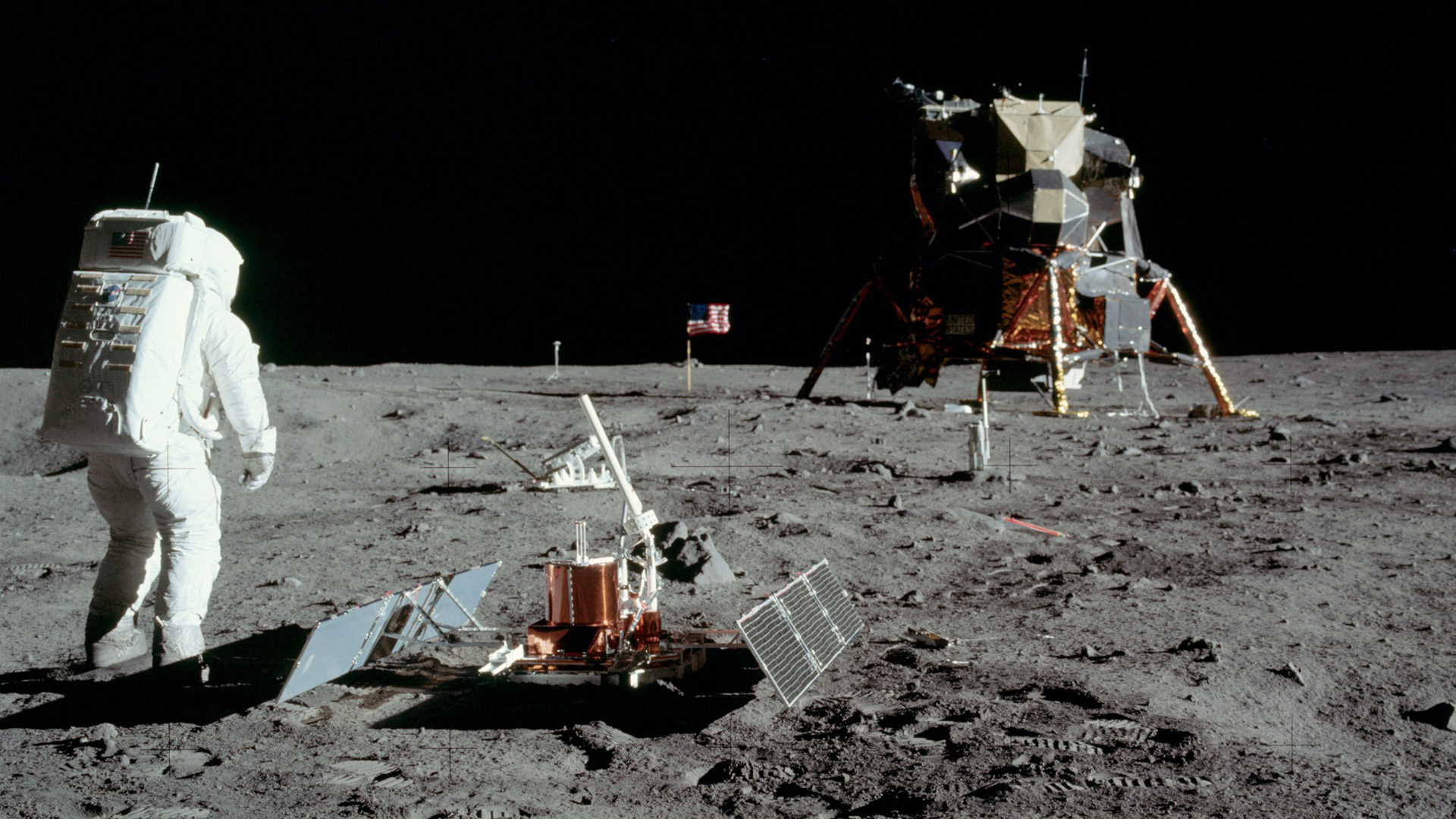
By the 1970s, this funding saw a sharp decline; President Richard Nixon cancelled the planned Apollo 18, 19, and 20 missions. By 2010, NASA’s budget had fallen to approximately 0.5 per cent.
As the United States had effectively “won” the race to the Moon, political pressure eased, and the intensity of the propaganda battle faded. Domestic issues, including the Vietnam War, economic crises, and social movements, took precedence for the government.
Public interest also waned; while one in five people globally watched the Apollo 11 landing live, subsequent missions failed to capture the same level of excitement as lunar travel began to seem routine.
The Artemis return
In the 1970s, the US shifted focus toward the reusable Space Shuttle Programme and international collaboration via the International Space Station (ISS).
Now, after a long hiatus, plans to return are underway through NASA’s Artemis Programme. This initiative aims to establish a long-term research base on the Moon.
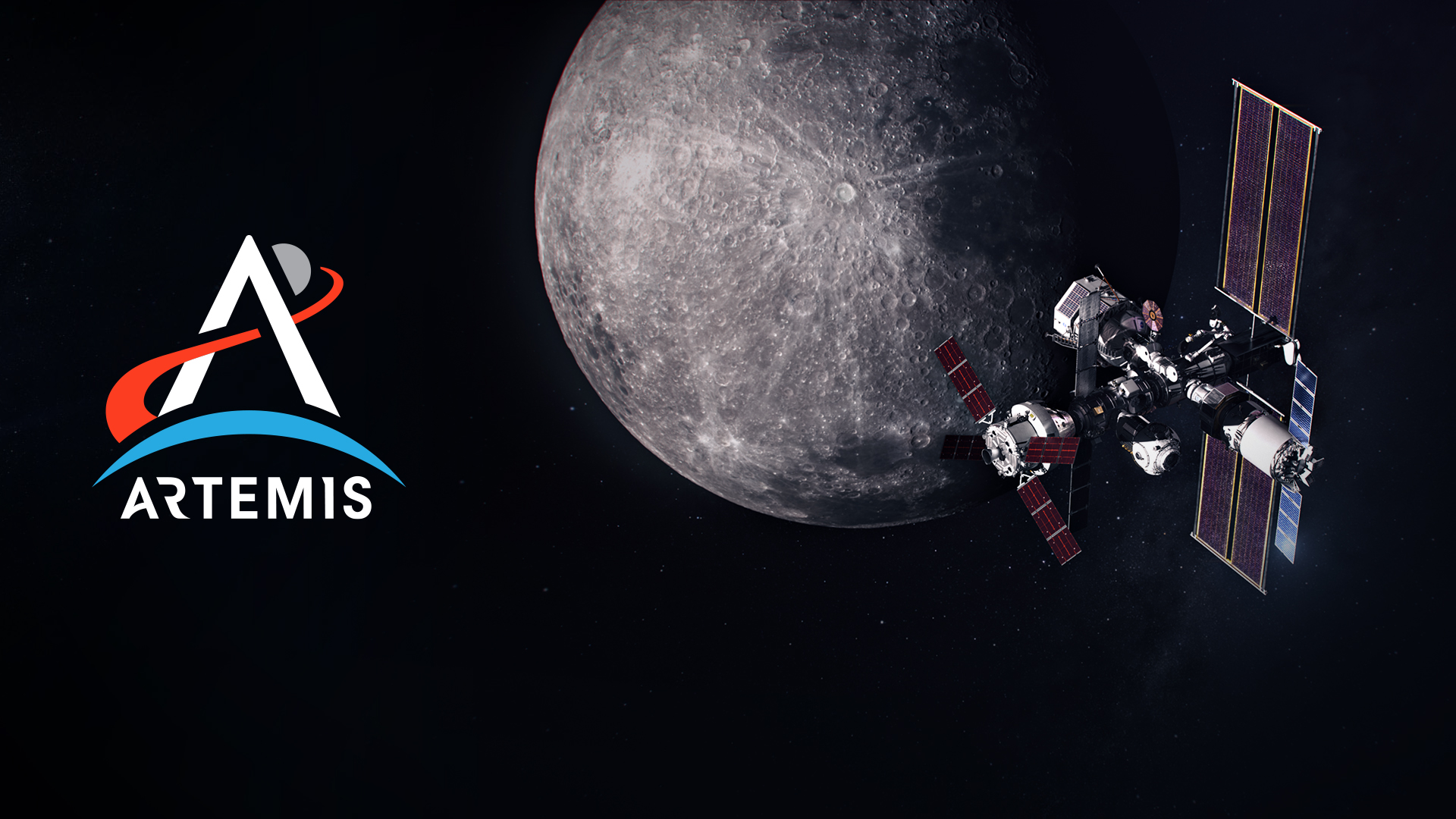
A key objective is exploring the Moon’s south pole for resources like water ice, which is vital for future human missions to Mars. This effort involves a coalition of international partners from Europe, Japan, and Canada, alongside private space companies.
If these plans succeed, humans may walk on the Moon again within the next few years, finally fulfilling Eugene Cernan’s 53-year-old promise that humanity would return.