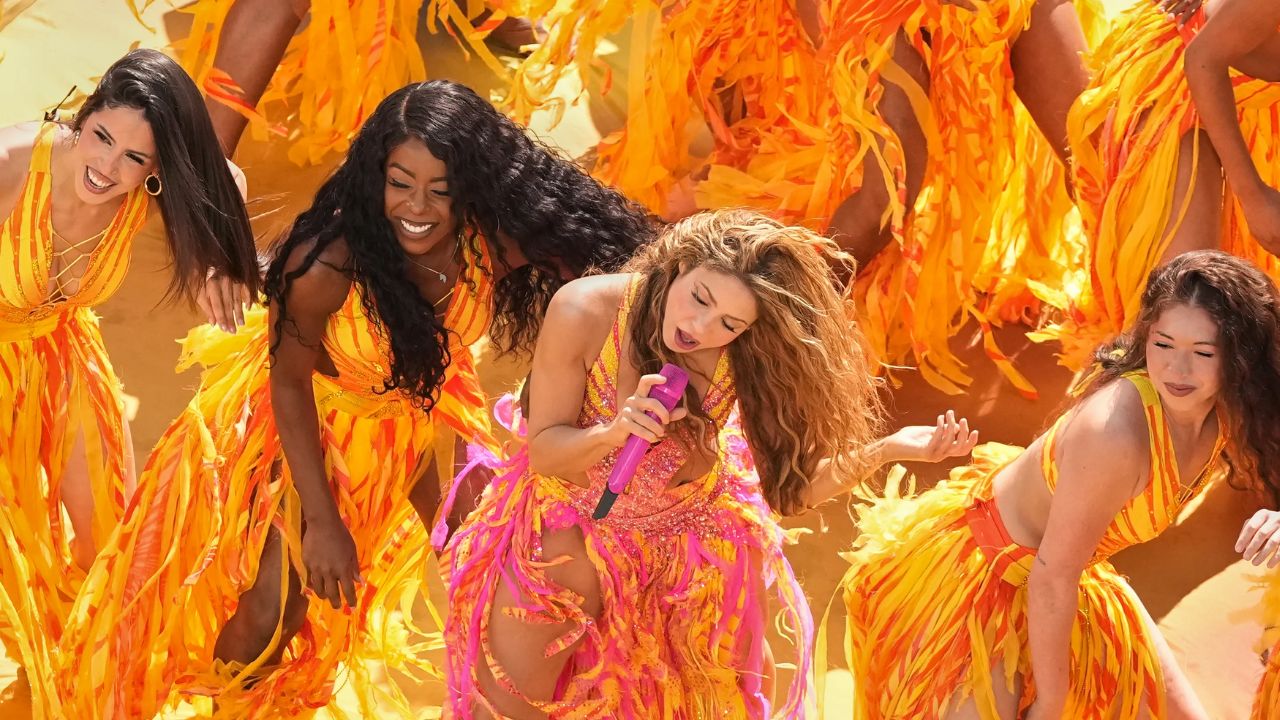

FIFA’s first-ever Super Bowl-style halftime show at the 2026 World Cup final delivered a parade of global music stars but left critics divided, with many praising its ambition while questioning its execution, reports Time Magazine.
It was held during the goalless World Cup final between Argentina and Spain at New York New Jersey Stadium.
The 11-minute performance featured Madonna, BTS, Shakira, Justin Bieber and Burna Boy, among others. Coldplay frontman Chris Martin curated the show.
Madonna opened the performance with her hit Music before Brazilian football legends Ronaldinho and Ronaldo joined the celebrations.

The show then shifted to an orchestral rendition of Seven Nation Army, performed by conductor Gustavo Dudamel alongside the New York Philharmonic, the Simón Bolívar Symphony Orchestra and the Muppets.
BTS followed with a performance of Dynamite, while actors Jason Sudeikis and Brendan Hunt appeared in character as Ted Lasso and Coach Beard to promote the upcoming return of the television series.



Justin Bieber later performed his ballad Everything Hallelujah, before Shakira and Nigerian singer Burna Boy injected fresh energy into the show with their World Cup anthem Dai Dai, joined by Uganda’s Ghetto Kids dance troupe.
The performance concluded with the PS22 Chorus, the Muppets and Coldplay performing the band’s new song We Dance. Despite its star-studded line-up, the halftime show received mixed reviews.
Critics argued that the rapid succession of performances left little room for individual artists to shine, making the production feel overcrowded and lacking a clear artistic identity.
The show also marked FIFA’s first attempt to introduce a halftime entertainment spectacle similar to the NFL’s Super Bowl, a move that had already sparked debate among football fans before the final.
While many applauded FIFA’s effort to showcase artists from different parts of the world, others felt the production prioritised broad global appeal over a cohesive creative vision.
They think it made the historic halftime show more memorable for its scale than its storytelling.