
The 2026 FIFA World Cup final offered more than football as FIFA introduced its first-ever official half-time show, transforming the tournament’s showpiece into a global entertainment event, states Tatler.
Held at New York New Jersey Stadium on 19 July, the final between Argentina and Spain featured an extensive line-up of musicians, actors and sporting icons before and during the match.
The event marked a significant departure from previous World Cup finals, which traditionally limited entertainment to opening and closing ceremonies.
The biggest innovation came at half-time, when FIFA staged an 11-minute concert curated by Coldplay frontman Chris Martin in partnership with Global Citizen.

The performance supported the FIFA Global Citizen Education Fund, an initiative aimed at expanding access to education and sport for children worldwide.
Madonna opened the historic show with her hit Music, introduced by Brazilian football legends Ronaldo and Ronaldinho.
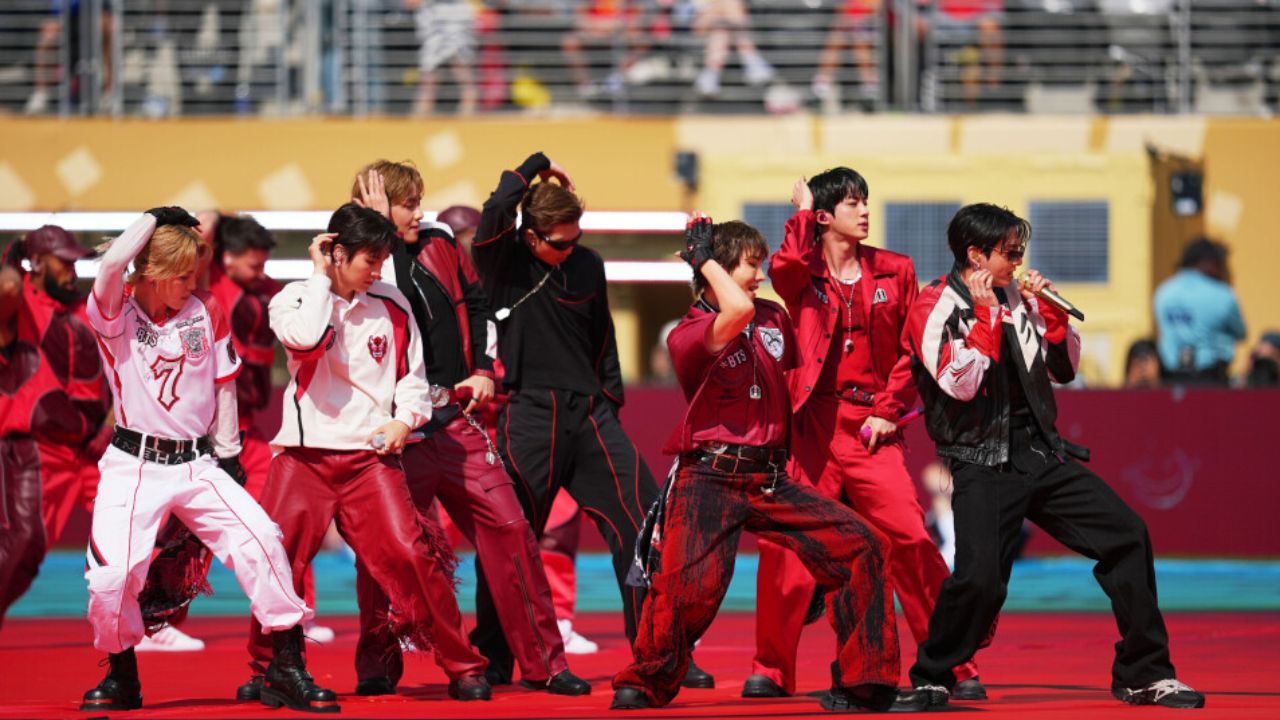
BTS followed with a performance of Dynamite, while Justin Bieber delivered an acoustic rendition of Everything Hallelujah after an appearance by actors Jason Sudeikis and Brendan Hunt in their Ted Lasso roles.
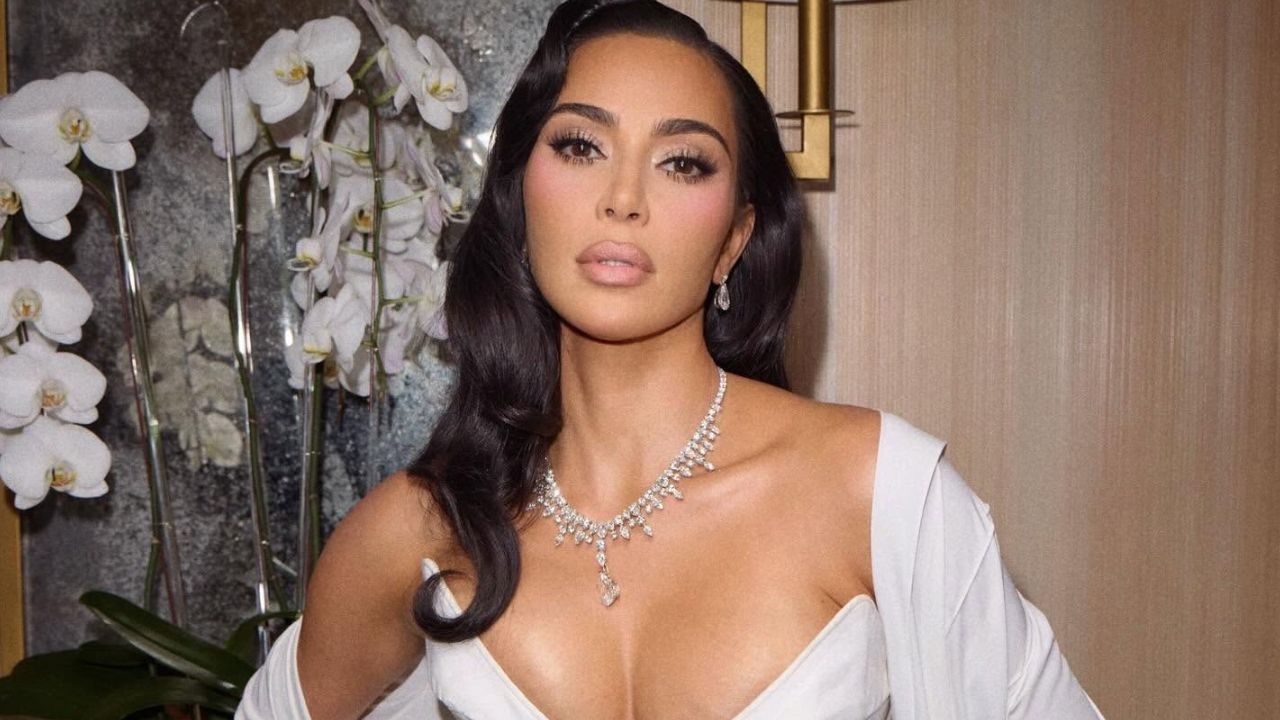



Shakira and Nigerian singer Burna Boy later performed the tournament anthem Dai Dai.
And conductor Gustavo Dudamel led an orchestral rendition of Seven Nation Army alongside the New York Philharmonic, the Simón Bolívar Symphony Orchestra and the Muppets.
Chris Martin joined the closing performance with the PS22 Chorus and several of the show’s performers to conclude FIFA’s inaugural World Cup final half-time spectacle.
The entertainment began well before kick-off with a star-studded closing ceremony.
Post Malone headlined the pre-match programme, joined by Robbie Williams, Nicole Scherzinger and Laura Pausini. Internet personality IShowSpeed and actor Tom Cruise also made appearances.
Jennifer Hudson performed the United States national anthem before the players took to the pitch.
The introduction of a Super Bowl-style half-time show sparked debate among football supporters, with some questioning whether such a production fit within football’s traditional 15-minute interval.
Others welcomed the move, viewing it as a natural evolution for one of the world’s biggest sporting events.
Regardless of the reaction, the 2026 final marked a new chapter for the tournament by combining football, music and popular culture on one of sport’s biggest stages.