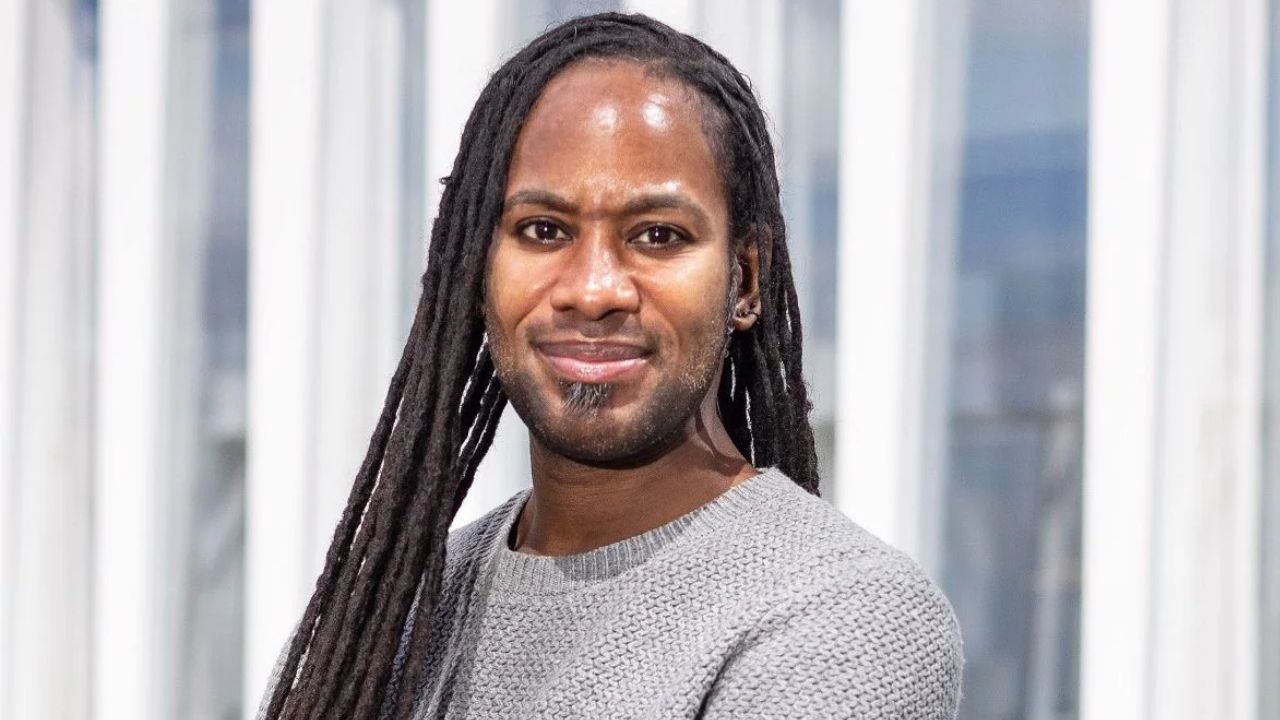



Jason Arday, former University of Cambridge professor who recently resigned following allegations of plagiarism, has been found dead at his home in Battersea, south London.
Emergency services said they discovered a man “unresponsive” at the address on Friday afternoon after being called by the London Ambulance Service, BBC reports.
Police later confirmed the death was being treated as “unexpected” but not suspicious.
Arday, who last week stepped down as professor of sociology of education at Cambridge, had denied plagiarism allegations but admitted errors in his work. He said the controversy had subjected him to “an unrelenting level of public scrutiny and personal attack.”

In a statement, his family said they were “in shock to have lost this amazing father, partner, brother, uncle and son,” adding that the campaign of misinformation was too much for Jason, who was a gentle man and who always wanted to see the best in everyone.
Cambridge University Vice‑Chancellor Prof Deborah Prentice expressed sorrow and said, “We are desperately saddened to hear this tragic news. Our heartfelt sympathies go to Jason Arday’s family and friends at this incredibly difficult time.”




Education Secretary Lucy Powell said she was “deeply shocked and saddened,” urging the public to remember “there are real people with loved ones involved.”
The plagiarism row began after Nathan Cofnas, a self‑described “race realist” dismissed from Cambridge in 2024, alleged numerous instances of plagiarism in Arday’s work.
Arday, 41, responded that some errors stemmed from his autism, explaining he had relied on mimicry to process information. He argued similar scrutiny would reveal comparable mistakes in other academics’ work.
Earlier this month, Arday told the Times newspaper, “We’re talking about academia here. I didn’t murder somebody. I think the cruelty that I’ve experienced and the positioning of me as this kind of liar and fantasist is totally unacceptable.”
Arday’s appointment in 2023 as Cambridge’s youngest ever black professor at age 37 was hailed as a landmark moment.
But announcing his resignation last week, he said the “personal cost” of the scrutiny had become “too great,” stressing that his departure should not be mistaken as acceptance of the allegations.