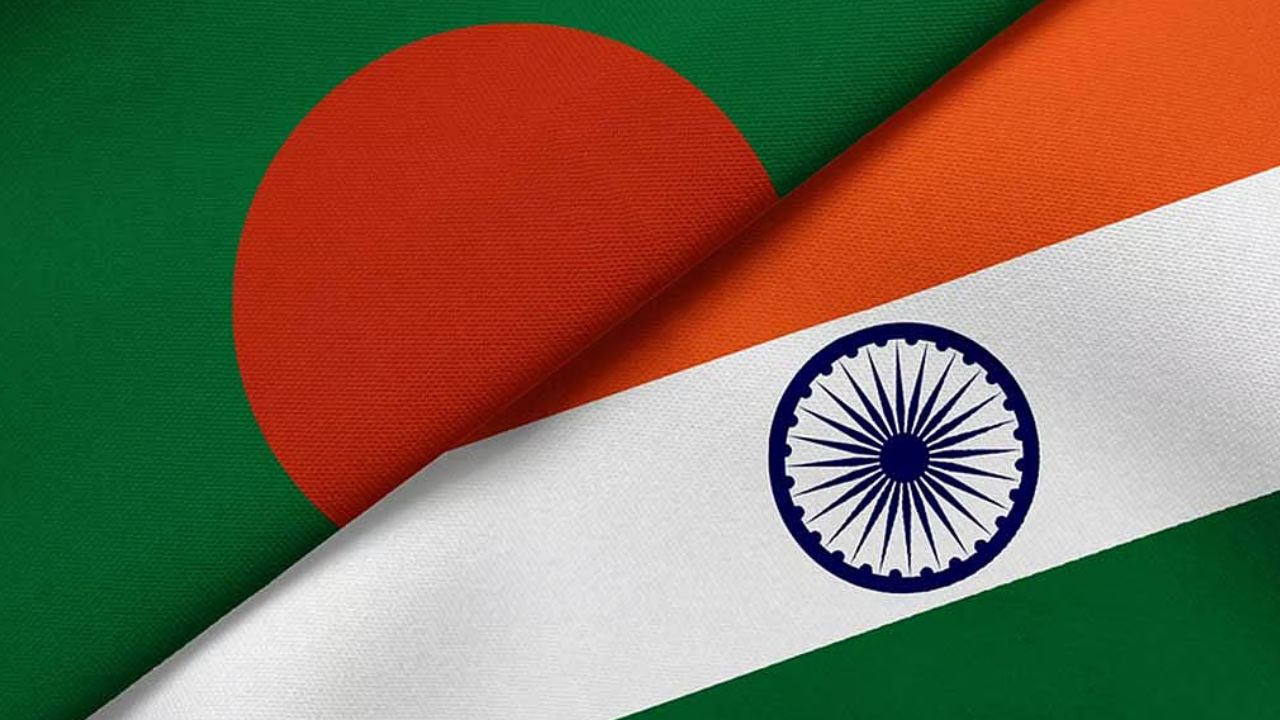



In a significant shift, Dhaka and New Delhi are working towards a visit by Prime Minister Tarique Rahman to India, with the possibility of the trip taking place before the BRICS Summit scheduled for next month.
Diplomatic sources say both governments are working to create an “enabling environment” for the visit, which could provide an opportunity for the two close neighbours to address their differences and set a new direction for bilateral relations.
India has extended two invitations to Tarique Rahman—one for a bilateral visit and another to attend the BRICS Summit in Delhi in his capacity as chair of BIMSTEC.
However, Dhaka is understood to have little interest in attending the BRICS Summit because the invitation is primarily linked to Bangladesh’s role as BIMSTEC chair rather than to Tarique Rahman as prime minister. A bilateral visit, on the other hand, would provide greater scope for substantive political engagement between the two countries.
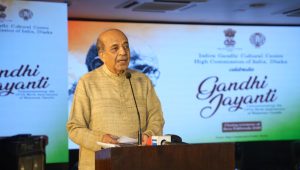
Newly appointed Indian High Commissioner Dinesh Trivedi, a politician by background, has repeatedly said that many bilateral problems could be resolved if the two prime ministers sit together.
Trivedi held a series of meetings with Bangladesh’s top political leadership, including Tarique Rahman, on Monday and briefed Indian Prime Minister Narendra Modi in New Delhi the following day about his assessment of the situation in Bangladesh. Trivedi is scheduled to come back to Dhaka Thursday evening with the directives from Modi.
The Indian government subsequently released photographs of Modi’s meeting with Trivedi, who enjoys cabinet minister status in India. Diplomats in Dhaka interpreted the move as a deliberate signal of the importance New Delhi attaches to its relationship with Bangladesh.

New realities, greater prudence
Several former ambassadors say geopolitical realities and prudence are increasingly shaping the calculations of both governments, leaving less room for relations to be driven by populist demands.
India, they say, understands that Bangladesh’s foreign policy has changed and that Dhaka is developing closer strategic and economic engagement with China. Prime Minister Tarique Rahman’s visit to Beijing in June, during which Bangladesh and China agreed to deepen their strategic partnership, was closely watched in New Delhi.
At the same time, Bangladesh recognises that maintaining a stable and functional relationship with India is essential to its long-term interests.
“Realities and prudence prevail in international relations. Relations should not be driven solely by populist demands,” said a former ambassador.
The emerging calculation, according to analysts, is straightforward: India cannot afford to ignore Bangladesh’s growing engagement with China, while Bangladesh cannot afford to undermine its relationship with India, given the two countries’ geographical proximity and extensive economic, energy, security and connectivity interests.



For now, the key question is whether New Delhi’s positive messaging will be translated into concrete action.
Trust deficit remains
The trust deficit has its roots in the close relationship the Indian government maintained with the Awami League during Sheikh Hasina’s tenure.
After Hasina was ousted in 2024, New Delhi’s relations with the interim government became strained. During that period, Indian officials repeatedly said they would work with whichever democratically elected government emerged in Bangladesh.
After the BNP-led government took office in February, Dhaka has avoided statements or actions that could be interpreted as hostile towards India.
India, however, has continued to be a source of concern in Dhaka over several issues, including push-ins across the border, border killings, anti-Bangladesh rhetoric by senior Indian political figures and, most recently, its decision to allow convicted former prime minister Sheikh Hasina to participate virtually in an event from Indian soil on 5 August.
Dhaka had repeatedly urged New Delhi not to allow Hasina to participate in the programme.
Diplomatic analysts say these developments have reinforced the trust deficit and made it difficult to restore normalcy through messaging alone.
“There is a need for the Indian government to transform its messages into action to bring back normalcy,” said a former diplomat.
New Delhi, analysts say, needs to take tangible steps to rebuild confidence and demonstrate greater sensitivity towards Bangladesh’s concerns.
Balancing China and India
The changing regional environment is also influencing Dhaka’s calculations.
Since taking office, the BNP government has expanded engagement with China, partly driven by economic considerations. Tarique Rahman’s June visit to Beijing and the agreements reached during the trip were closely monitored by India and the United States.
At the same time, Dhaka continues to seek cooperation from India on energy, connectivity, trade and other issues critical to Bangladesh’s economic interests.
The emerging reality is that the BNP government is pursuing a more diversified foreign policy and is less inclined to rely on any single major power.
“This government is not going to be as submissive as the Awami League government was, but Bangladesh also understands that it needs India on many issues that are important for its future,” said a former diplomat.
Analysts believe this is precisely where prudence needs to prevail.
A top-level political engagement could provide broad strategic direction, while existing bilateral mechanisms and institutions could work out the details.
For Dhaka and Delhi, a Tarique-Modi meeting could offer both sides an opportunity to acknowledge the new realities, manage their differences and establish a more pragmatic framework for relations.