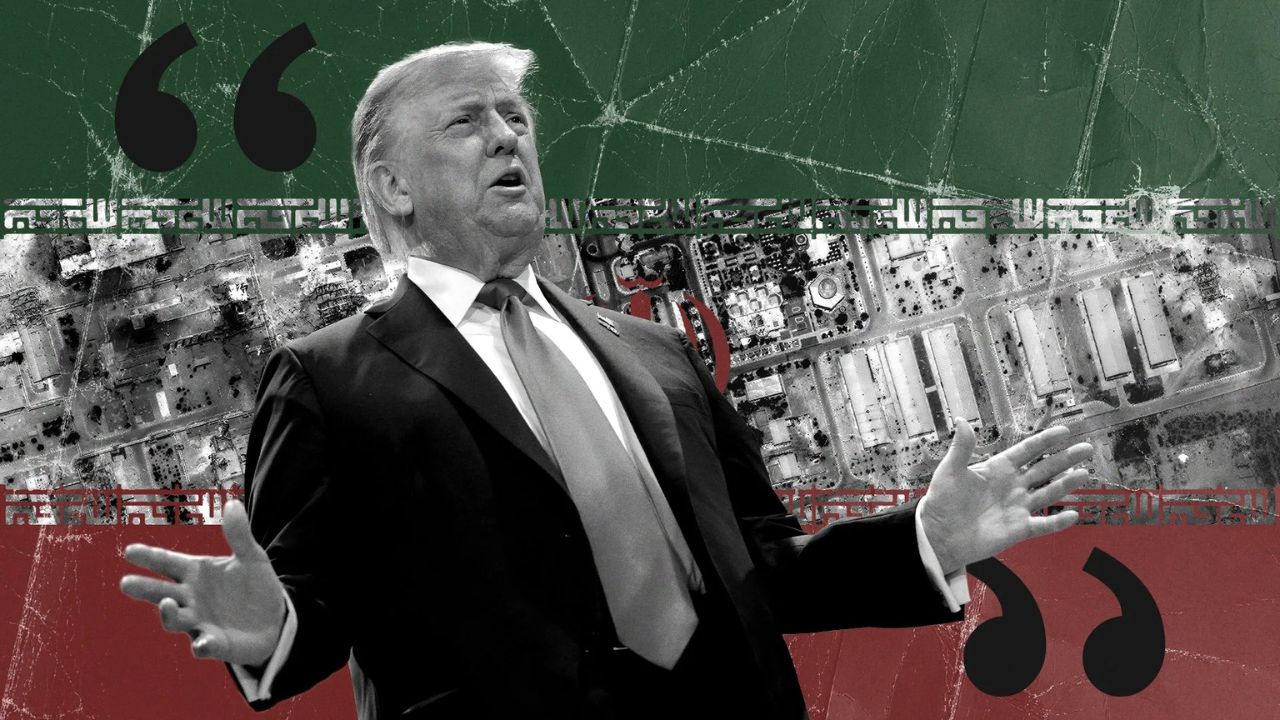



As the United States deploys more military assets to the Persian Gulf than at any time since the Iraq war, diplomats and security officials are weighing President Donald Trump’s intentions towards Iran, reports CNN.
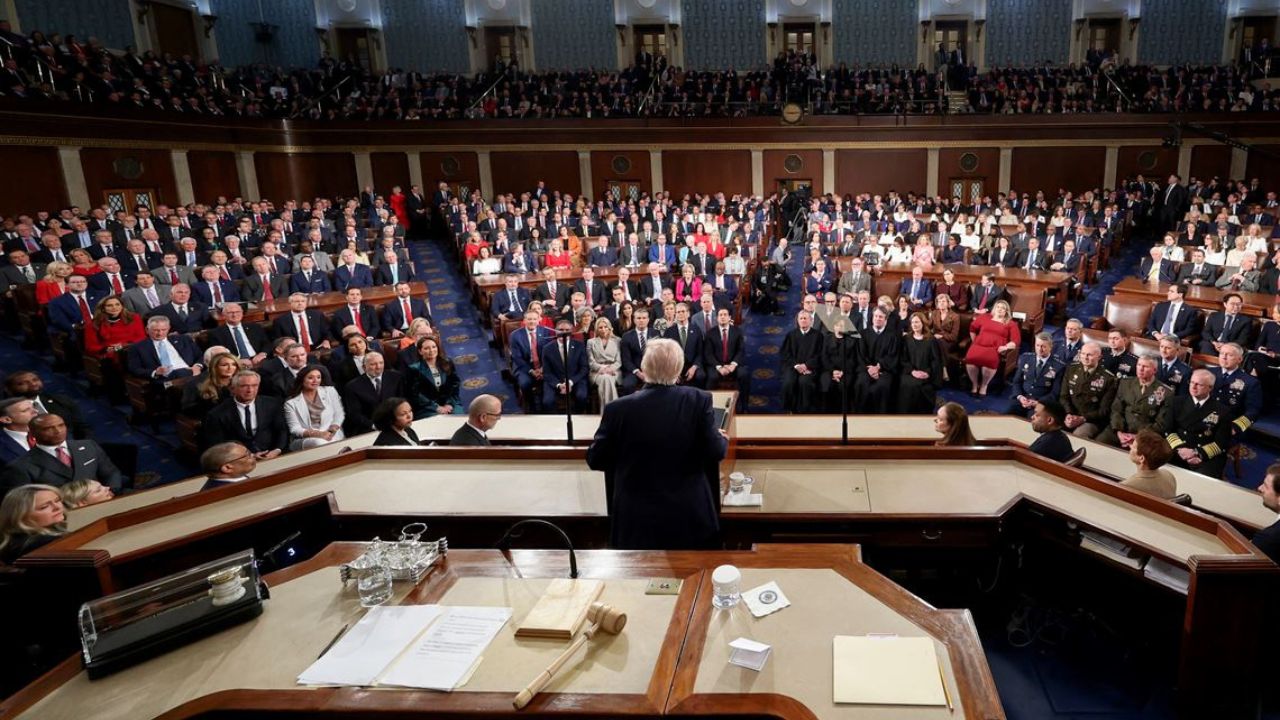
In his State of the Union address on Tuesday, Trump said the build-up is aimed at ensuring Iran does not obtain a nuclear weapon. He repeated that he preferred diplomacy but warned that Tehran had yet to utter what he called the “secret words”: a commitment never to pursue a bomb.
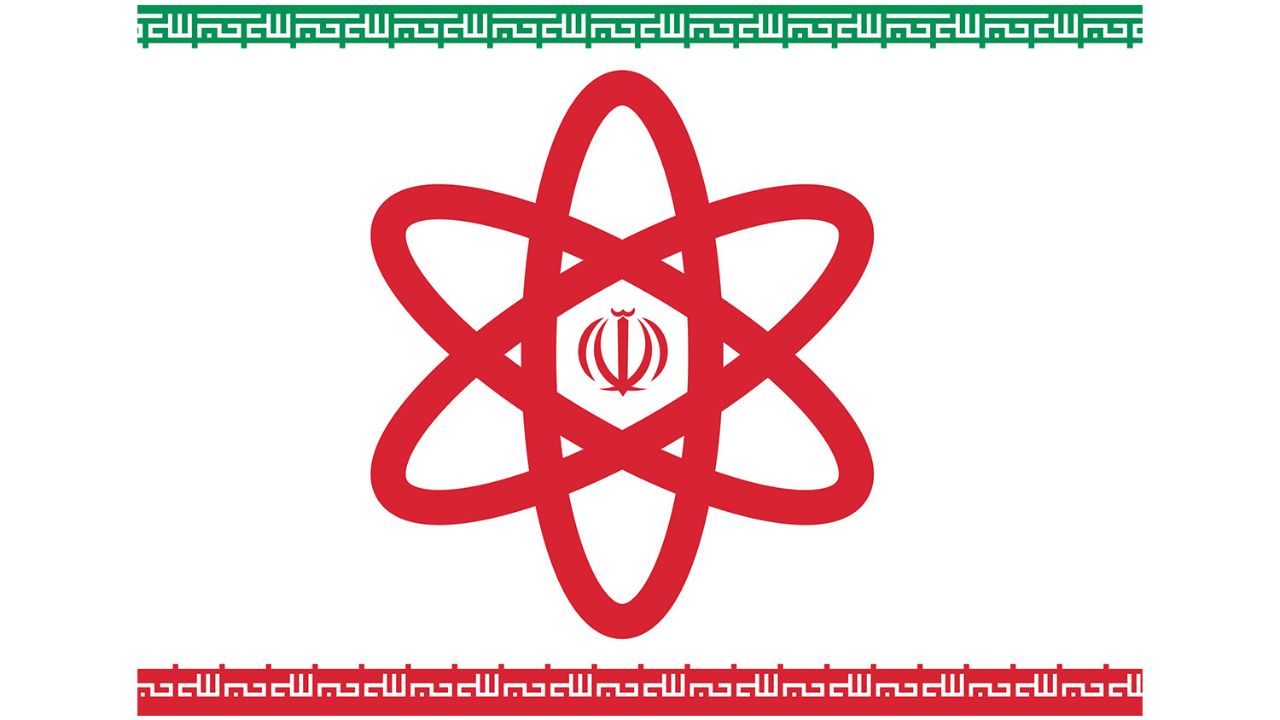
Iran says it is not seeking nuclear weapons. On Tuesday, its foreign minister stated explicitly that Tehran was not pursuing a bomb. Foreign ministry spokesperson Esmaeil Baqaei later accused the White House of spreading “disinformation” and repeating “big lies”.
The Trump administration has not publicly set out detailed demands, red lines or conditions that would trigger military action. But former US intelligence officials and analysts say the broad outline of Washington’s expectations is becoming clearer.

First, Iran would be expected not to revive what US and Israeli officials have described as an aspirational nuclear weapons programme. After Israeli and US strikes last June that they said destroyed key enrichment sites, the prospect of a near-term Iranian weapons capability appeared to recede.
Second, US officials have long expressed concern about Iran’s suspected intercontinental ballistic missile (ICBM) ambitions. According to past assessments by the US Defense Intelligence Agency, an operational ICBM capability could eventually give Iran the means to deliver nuclear warheads well beyond the Middle East. Any such programme would have to cease.
Third, Washington wants Iran to refrain from rebuilding the network of armed groups it has supported through its elite Revolutionary Guard Corps (IRGC). That so-called “Axis of Resistance” includes Hezbollah and Yemen’s Houthis. Hezbollah has been severely weakened by Israeli strikes and assassinations during the conflict with Hamas.




Supporters of the administration’s approach argue that these are capabilities Iran either does not currently possess in full or has seen degraded. In exchange, they say, Washington is signalling the possibility of lifting economic sanctions, easing Iran’s international isolation and opening a path to renewed economic growth.
Many Western officials remain sceptical of Iran’s assurances about its nuclear intentions. Tehran has previously enriched uranium to levels that would leave only a short technical step to weapons-grade material, raising suspicions about its long-term goals.
Analysts describe Trump’s approach as a combination of pressure and inducement. The “stick” is the visible deployment of warships and aircraft. The “carrot” is the prospect of reintegration into the global economy and relief from sanctions.
Regime change, however, does not appear to be a stated objective. During his first term, Trump pursued regional realignments such as the Abraham Accords. In his second term, he has emphasised broader resets in the Middle East, including ceasefire efforts and engagement with Gulf states. Forcing democratic transformation, a strategy that has proved costly in the past, does not seem to be central to his current rhetoric.
Any agreement would likely require a verification mechanism to ensure that economic gains are not redirected towards weapons development or support for armed groups.
For Iran’s leadership, the choice may not be straightforward. The Islamic Republic was founded on revolution and resistance to Western influence. Despite economic hardship and periodic domestic unrest, its leaders have prioritised military capabilities over economic prosperity.
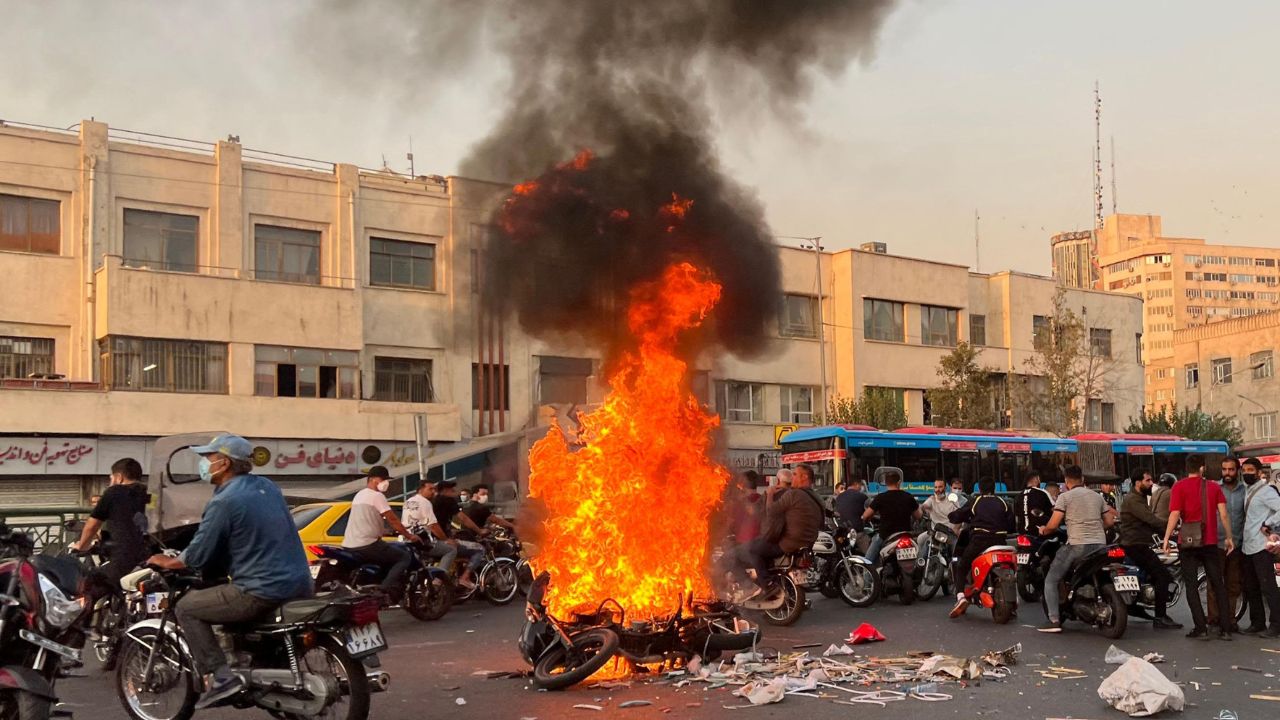
With protests in recent years and an economy under strain, some analysts suggest the leadership could be more flexible than before. Others caution against assuming Tehran will calculate costs and benefits in the same way as Western policymakers.
With significant US forces concentrated in the region, both Washington and Iran’s Supreme Leader Ali Khamenei face mounting pressure to decide whether to escalate, negotiate or step back. Doing nothing appears increasingly unlikely.