The Brahmaputra River, one of Bangladesh’s most iconic waterways, has long sustained communities along its banks, providing water, fish, and fertile land for agriculture. But today, this lifeline is under threat. Pollution and erosion are steadily transforming the river into a site of environmental and public concern.
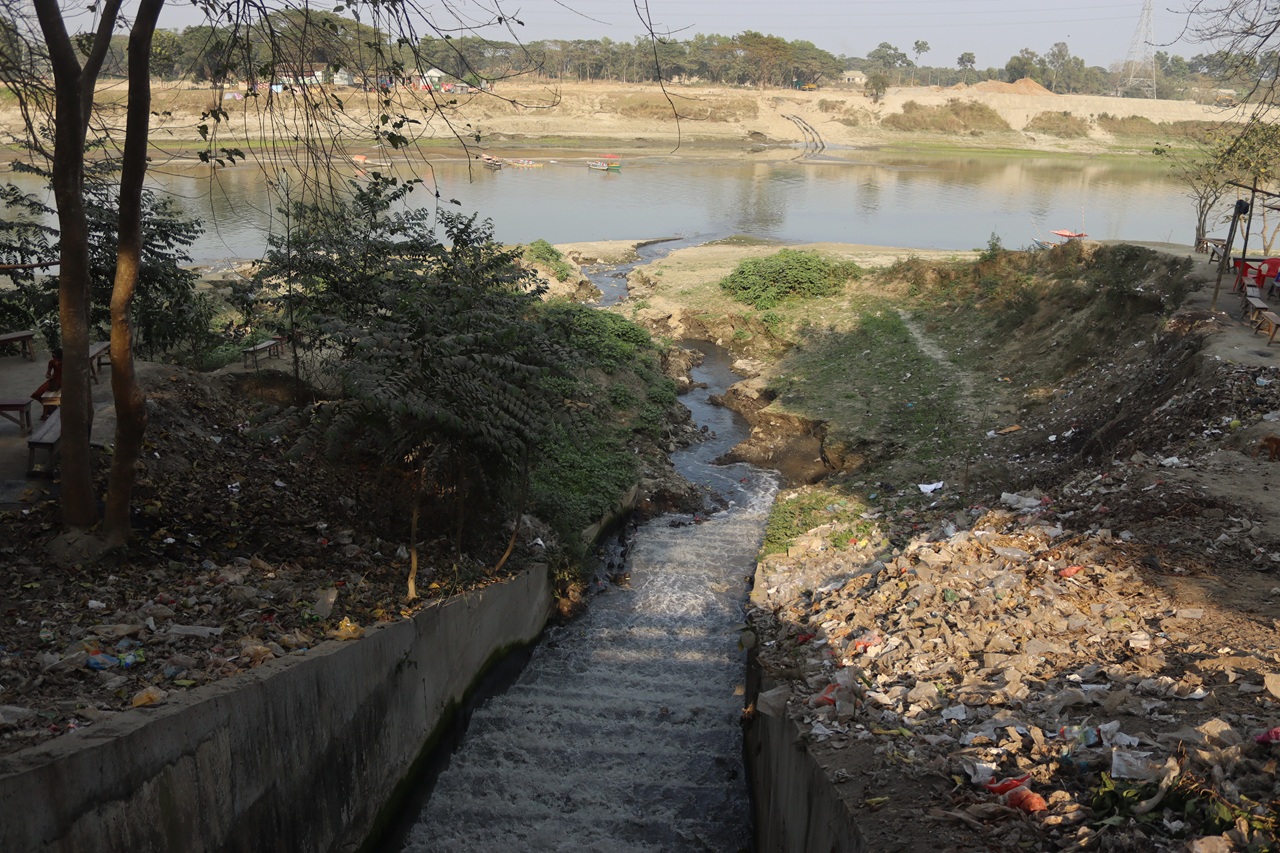
A major contributor to the river’s pollution is a large drain that directly discharges untreated wastewater into its waters. Daily vegetable markets along the riverbank add to the problem, with vendors and residents discarding organic waste directly into the river.
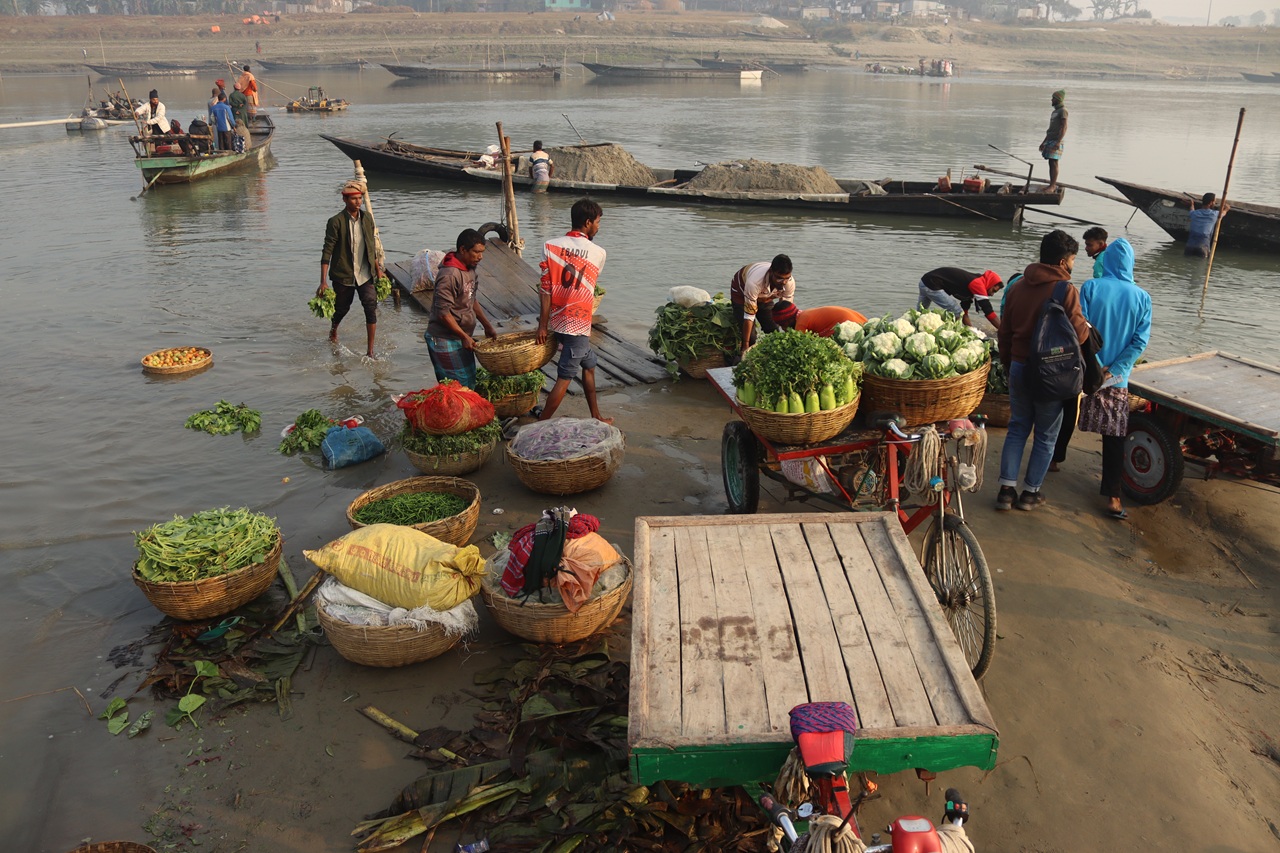
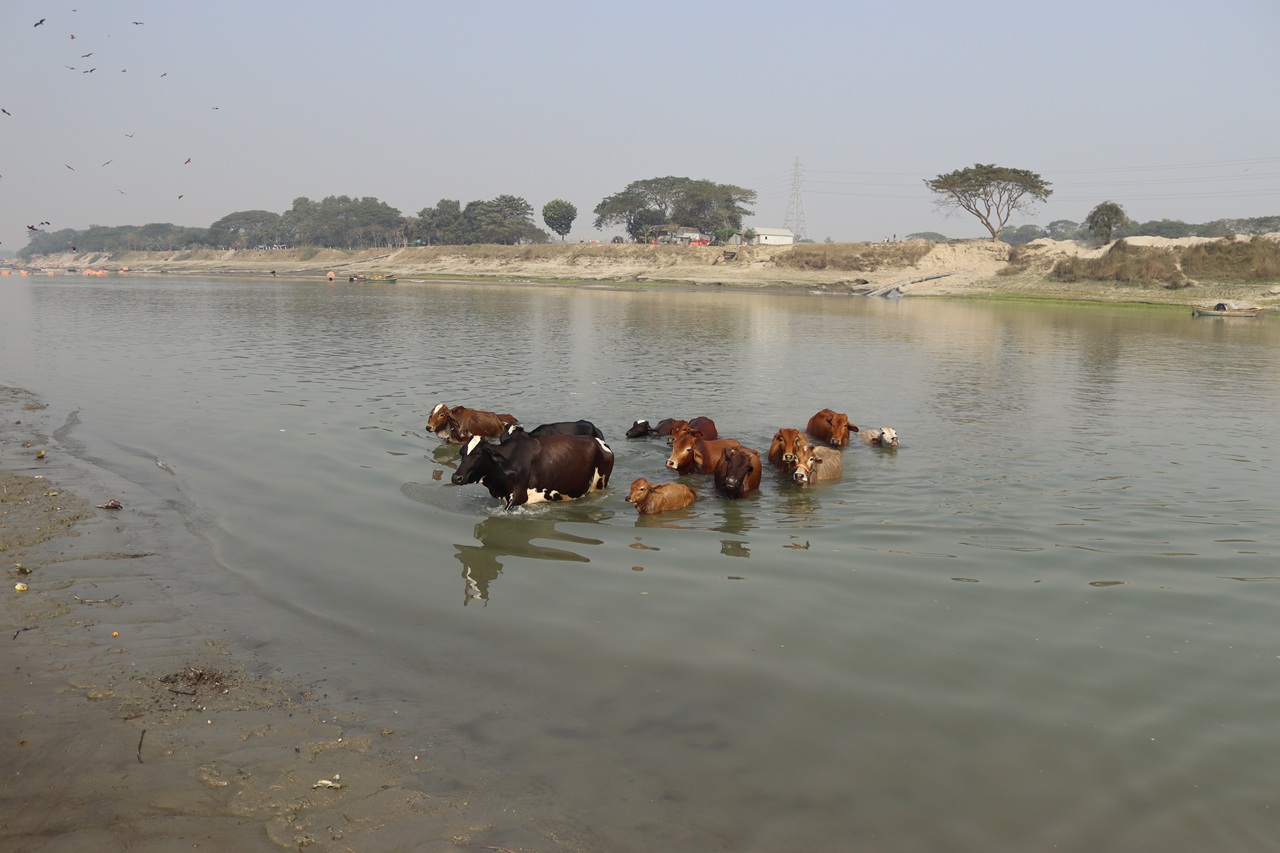
Every morning, vegetables sold in these markets are washed in the river before being transported to buyers, unknowingly exposing food to contaminated water. Livestock also bathe in the same waters, further increasing the river’s bacterial load.

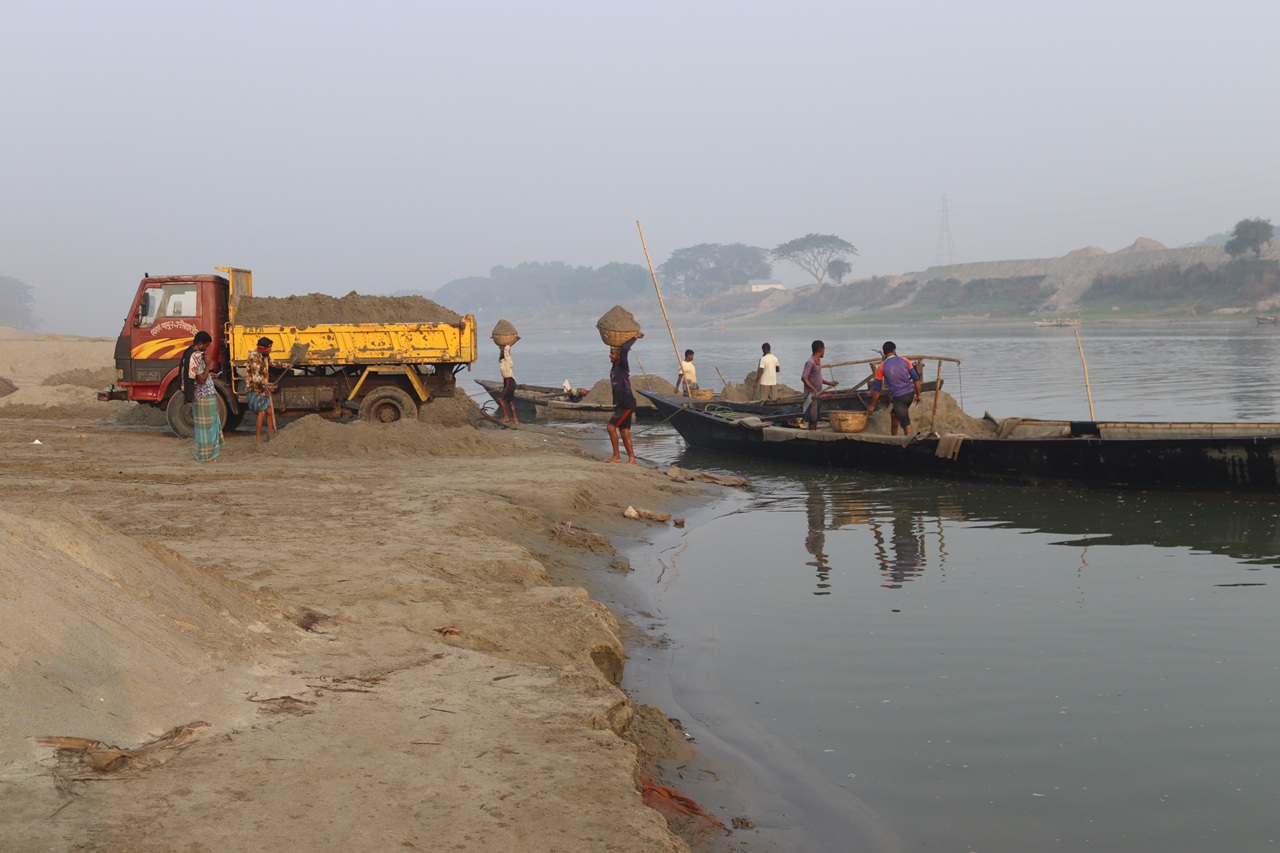
Riverbank erosion has become another pressing issue. Continuous dredging and excavation have weakened the river’s edges, destroying nearby crop fields and uprooting trees. This not only threatens livelihoods but also diminishes the natural buffer that protects against flooding.




Despite these challenges, the Brahmaputra remains a hub of human activity. Local fishermen continue to harvest fish, while tourists flock to the area, enjoying boat rides along the scenic river. Yet, recreational visits sometimes exacerbate pollution, as plastic waste and other litter from visitors accumulate in the water.
The nearby Zainul Abedin Park, a popular tourist spot, sees its share of discarded plastics washing into the river daily, adding to the mounting environmental burden.
The combined effect of sewage, market waste, livestock activity, tourism litter, and erosion has left the Brahmaputra not only polluted but also vulnerable to ecological decline. The once-refreshing waters now carry foul odours and visible debris, raising serious health and safety concerns for both humans and wildlife.
Efforts to protect the Brahmaputra require coordinated action. Strict regulation of waste disposal, careful management of riverbank excavation, and awareness campaigns for visitors and locals could guide it to its former glory. Without urgent intervention, the river that has nurtured generations risks losing its vitality, transforming from a source of life to a symbol of environmental neglect.