As Hurricane Melissa barrels across the Caribbean, its ferocity serves as a warning of nature’s might. The storm made landfall in Jamaica on October 28 with sustained winds estimated at 295 kph, making it one of the most intense Atlantic hurricanes on record.
Melissa brought 40 inches (101 cm) of rainfall, life-threatening storm surges and widespread flooding and landslides. In Jamaica, more than 240,000 homes and businesses have lost power and entire communities are reporting severe damage to homes and infrastructure. After Jamaica, Melissa is sweeping eastern Cuba and the Bahamas, where authorities are urging residents to evacuate.
Category 5 storms, the fiercest on the Saffir-Simpson scale, are capable of winds exceeding 253 kph and devastating entire communities in mere hours. While meteorologists scramble to track Melissa’s path, it’s worth remembering the deadliest storms in history that left countries reeling in their wake.
- Great Bhola Cyclone- 1970, Bangladesh (then East Pakistan)

Estimated deaths: 3,00,000- 5,00,000
The Bhola Cyclone struck the low-lying delta regions of present-day Barisal and Noakhali with a monstrous storm surge reaching up to 10 metres. Entire islands and densely populated coastal villages were swept away overnight, leaving tens of thousands of dead in hours.

The disaster is considered the deadliest tropical cyclone in recorded history. With minimal warning systems in place and no coordinated evacuation, the devastation fuelled widespread social unrest and contributed to the political upheavals leading to Bangladesh’s independence.
- Coringa Cyclone- 1839, Andhra Pradesh, India
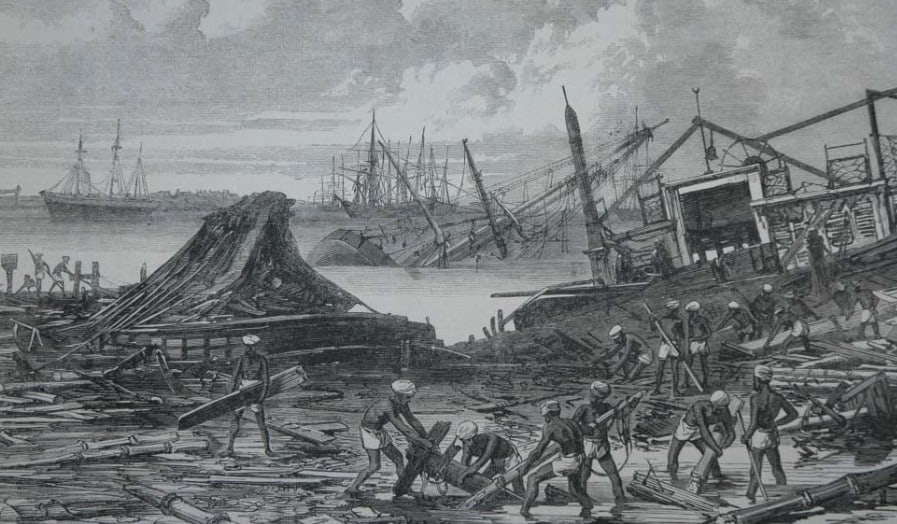
Estimated deaths: Around 300,000
The Coringa Cyclone obliterated the bustling port town of Coringa. A storm surge estimated at 12 metres (≈40 ft) wiped out homes, businesses, and tens of thousands of ships, leaving the city permanently abandoned. Contemporary reports describe the near-total annihilation of the population, underscoring the vulnerability of coastal settlements to catastrophic storm surges. Though modern intensity measurements were unavailable, historical records suggest this was a Category 5‑equivalent storm.




- Great Backerganj Cyclone- 1876, Bangladesh

Estimated deaths: Around 2,00,000
Hitting the coastal districts of Barisal and Bhola, the Great Backerganj Cyclone combined ferocious winds with a deadly storm surge. The initial flooding destroyed homes, crops, and villages, while the ensuing famine caused the death toll to nearly double.
The catastrophe highlighted the extreme vulnerability of low-lying delta regions and the devastating consequences when natural disasters are compounded by socio-economic factors.
- Haiphong Typhoon- 1881, Vietnam
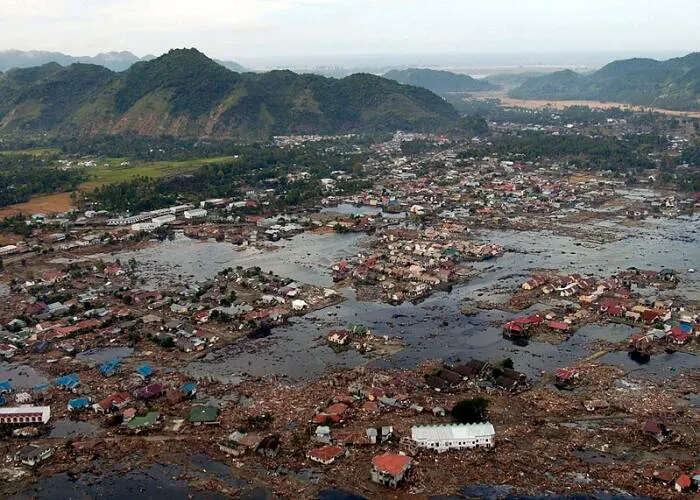
Estimated deaths: 23,000-100,000 (historical accounts up to 300,000)
The Haiphong Typhoon struck the northern Vietnamese port city with unprecedented force, bringing massive floods and a storm surge that submerged much of the city. Entire neighbourhoods were destroyed, leaving thousands homeless and thousands more dead.
Though historical death toll estimates vary, the typhoon remains one of the most lethal in Southeast Asian history, exemplifying the lethal combination of powerful winds, surge, and densely populated coastal areas.
- Bangladesh Cyclone- 1991, Bangladesh
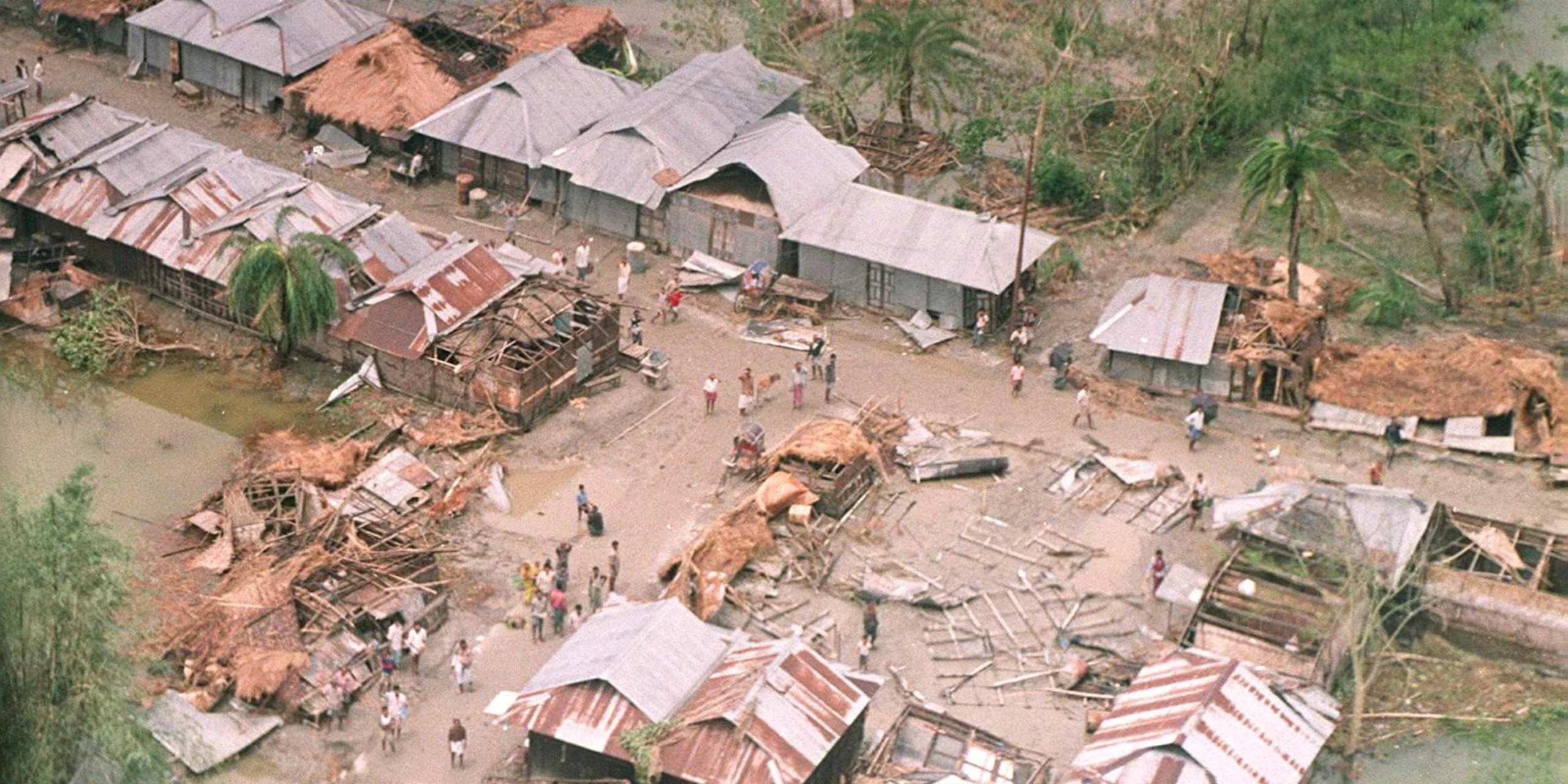
Estimated deaths: Around 138,866
The 1991 cyclone made landfall with Category 5-equivalent winds of 250 kph and a 6‑metre storm surge, striking Chattogram, Cox’s Bazar, and surrounding coastal areas. Villages were submerged, entire communities were wiped out, and thousands were killed despite early warning systems.
The disaster demonstrated both the incredible destructive potential of Category 5 storms and the critical importance of preparedness, evacuation, and resilient infrastructure in vulnerable coastal regions.
From Bangladesh to India and Vietnam, the stories of these storms remind us that human vulnerability is greatest where nature’s fury meets unprepared communities.
Hurricane Melissa, currently sweeping through the Caribbean, is a stark reminder that while technology and forecasting have improved, the power of these storms remains awe-inspiring and deadly. The lesson is clear: respect nature’s force, invest in preparedness, and never underestimate the wrath of a Category 5 storm.