

Bangladesh Jamaat-e-Islami has nominated five prominent physicians from Chattogram as candidates for the upcoming national parliamentary elections, drawing widespread attention in political circles.
Many view the inclusion of these professionals – known for their integrity and clean public image – as part of the party’s strategy to project a reformist and service-oriented identity.
No political party in Bangladesh has ever fielded so many doctors for parliament at once, sparking discussion both in Chattogram and nationwide.
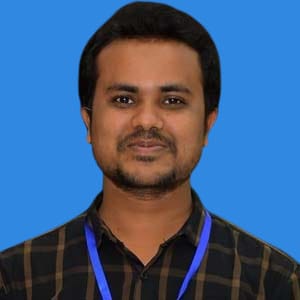
The nominees are Dr ATM Rezaul Karim for Chattogram-7, Dr Abu Naser for Chattogram-8, Dr AKM Fazlul Haque for Chattogram-9, Dr Faridul Alam for Chattogram-12, and Dr Shahadat Hossain for Chattogram-14.

Orthopaedic specialist Dr ATM Rezaul Karim, a former president of the Islami Chhatra Shibir unit at Sylhet Medical College, played a pioneering role in establishing several hospitals after returning to Chattogram. He later founded Parkview Hospital with like-minded colleagues, which earned widespread recognition during the Covid-19 pandemic for its dedicated service. He has been serving as its managing director since its inception.
Dr Rezaul Karim was nominated for the Rangunia–Raozan constituency after Principal Amiruzzaman withdrew due to old age. The seat was last represented by Hasan Mahmud, joint general secretary of the Awami League, who is currently living abroad.
“As a doctor, I have dedicated my life to serving people. In politics, I want to extend that mission of public service,” said Dr Rezaul Karim. “Healthcare is not just a hospital issue – it’s a development and policy issue. If elected, I will focus on reforming rural healthcare, improving medical education, and ensuring coordination between public and private hospitals.”

Dr Abu Naser, nominated for Chattogram-8, is the executive director of Chattogram Metropolitan Hospital and has served three consecutive terms as organisational secretary of the Bangladesh Medical Association. His long record of community service has earned him popularity in Chandgaon and Boalkhali.
“For me, politics is not about power but responsibility,” said Dr Naser. “As a doctor, I’ve served thousands of patients. Now I want to serve their rights and development. The state must act responsibly in ensuring health, education, and employment.”
He described Jamaat’s move to involve professionals in politics as “timely,” adding, “If professionalism and integrity return to politics, public trust will too.”
Dr Fazlul Haque has been nominated for Chattogram-9, which covers key areas such as Kotwali, Bakalia, and Chawkbazar—long considered a Jamaat stronghold. He is chairman of International Medical College Hospital and president of the Chattogram Private Hospital Owners’ Association, as well as organisational secretary of Jamaat’s Chattogram city unit.
Ophthalmologist Dr Shahadat Hossain, director of Chevron Eye Hospital and Research Centre, will contest from Chattogram-12 (Chandanaish–Satkania), while Dr Faridul Alam, chairman of Chevron Clinical Laboratory Private Limited, will contest from Chattogram-14.
“These five physicians are not just politicians—they are proven public servants,” said Jamaat Chattogram city assistant secretary Morshedul Islam Chowdhury. “Under their leadership, numerous hospitals have been established in Chattogram. While some are commercial, many are dedicated to public service. Jamaat believes that to modernise the health sector and ensure international standards, professionals from the sector must be represented in parliament.”
Political analysts say the inclusion of these doctors has generated new enthusiasm among voters, who are increasingly seeking leaders with both professional competence and human values.
For decades, Chattogram’s politics has been dominated by veteran politicians and influential families. Against that backdrop, the rise of these physician candidates signals a new and progressive shift. Political analyst Shahidullah Talukder noted that voters are now evaluating candidates based on their humanitarian and professional credentials, making politics in the region more people-centred and forward-looking.