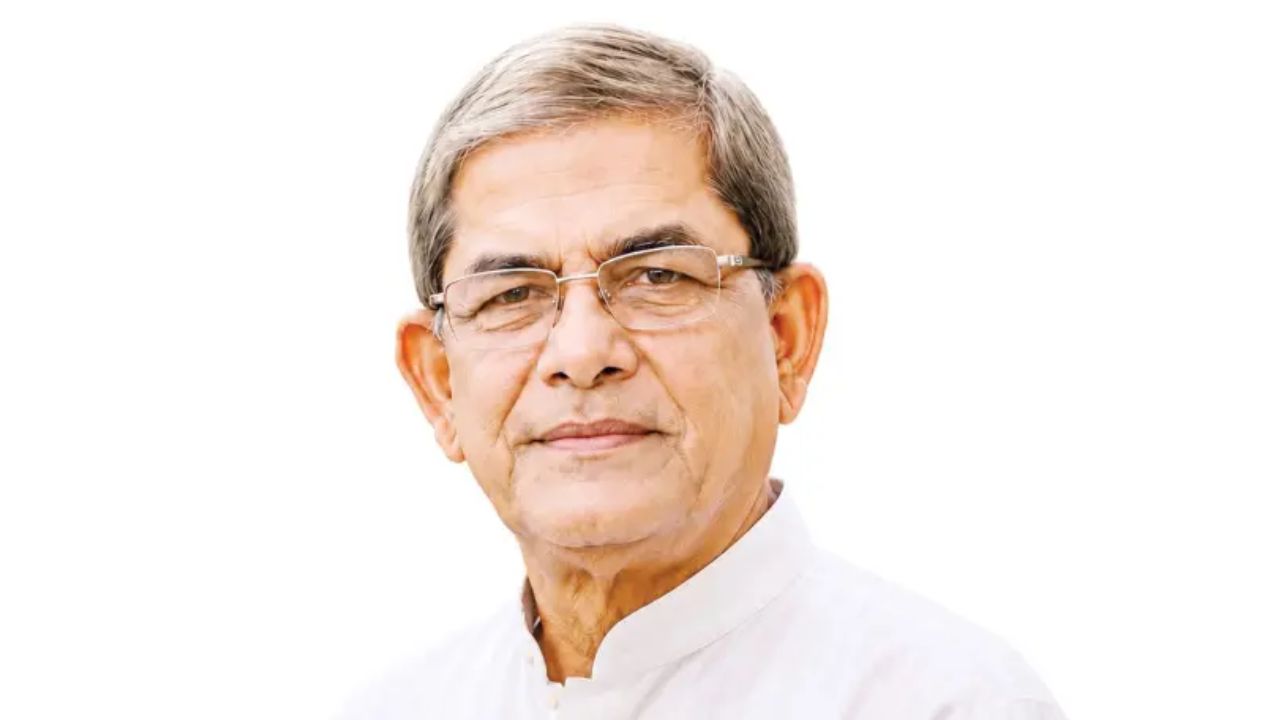
After 100 days in office, Prime Minister Tarique Rahman must start living up to his election manifesto pledge of protecting press freedom by breaking the cycle of partisan persecution of journalists in Bangladesh, the Committee to Protect Journalists (CPJ) said on Tuesday.
The New York-based press freedom organisation noted that Bangladesh has had three governments in under two years: the administration of long-time leader Sheikh Hasina’s Awami League, ousted in August 2024; the interim government of Muhammad Yunus; and, since February 2026, the government of Rahman’s Bangladesh Nationalist Party (BNP).
“Through each transition, journalists have been detained, prosecuted, surveilled, attacked, and vilified — often for their perceived alignment with whichever government had just fallen,” the CPJ said.
“Press freedom in Bangladesh has too often been treated as an opportunity for each new government to turn the law against journalists allegedly aligned with the previous administration,” said Kunal Majumder, CPJ Asia-Pacific Program Coordinator.
“Prime Minister Tarique Rahman’s government pledged to be different – but 100 days in, meaningful progress remains limited,” he added.

Majumder said the government can start by releasing imprisoned journalists and dropping politically motivated cases, ending political vendettas against the press, protecting journalists from mob violence, halting smear campaigns and fixing laws that make all of this possible.
“These steps would ensure the same standard is applied to every journalist, regardless of who they are perceived to support. That is what breaking the cycle looks like,” he said.
The CPJ outlined 10 key steps to restoring press freedom in Bangladesh:
-
End the use of the criminal justice system against journalists, noting that dozens of journalists perceived as supportive of Hasina have been detained or charged since August 2024.
-
Stop the International Crimes Tribunal (ICT) from being used against journalists, as at least 25 journalists are under ICT investigation, in many cases for genocide or crimes against humanity tied to their alleged support for the previous government.
-
Ensure accountability for crimes against journalists, regardless of politics, through transparent, independent investigations.
-
Protect journalists and newsrooms from mob violence, noting that during December 2025 unrest, the offices of Prothom Alo and The Daily Star were attacked and set on fire.
-
Replace the Cyber Protection Act, 2026 and dismiss politically motivated cybercrime cases, as the law retains vague definitions that make it an instrument of press repression.
-
Reform the Anti-Terrorism Act, 2009 to end its use against journalists.
-
Withdraw the draft media regulatory ordinances and implement the Media Reform Commission’s recommendations.
-
Repeal or amend legacy laws and surveillance frameworks, including the Official Secrets Act, 1923, and criminal defamation provisions.
-
Reform the accreditation system and establish safeguards against abusive litigation, including anti-SLAPP protections.
-
End the smearing and vilification of journalists, ensuring no state body is used to question journalists’ loyalty to the nation or Islam.




The CPJ noted that on 28 May, the day Tarique Rahman marked 100 days in office, an Editors’ Council delegation handed the government a list of 282 journalists facing politically motivated cases. Information Minister Zahir Uddin Swapon stated that the prime minister expressed solidarity with the council and directed authorities to take necessary measures.
However, the CPJ reminded the government that “these cases continue to do harm and that acknowledgment must be followed with action.”
The organisation called on the government to make clear and repeated public statements affirming that independent journalism is a constitutional right and a democratic necessity, and to hold accountable those who incite violence against the press through vilification.