Bangladesh Bank Governor Ahsan H Mansur has announced that the operations of “Combined Islamic Bank,” formed with five Shariah‑based banks, will begin in the first week of December.
Speaking at the fourth Bangladesh Economic Conference at a Dhaka hotel on Saturday morning, Mansur said political influence has been a major factor behind the ongoing turmoil in the country’s banking sector.
“To restore order, all forms of political interference must come to an end, and the central bank must be allowed full autonomy. For that, political leaders must extend their cooperation,” he said.

On 9 November, the Bangladesh Bank board, chaired by Mansur, approved a preliminary licence to merge EXIM Bank, Social Islami Bank, First Security Islami Bank, Union Bank, and Global Islami Bank into a single Shariah‑based state‑run institution called “Combined Islamic Bank.”
The governor noted that the central bank had earlier assumed non‑performing loans might rise to 20 percent.


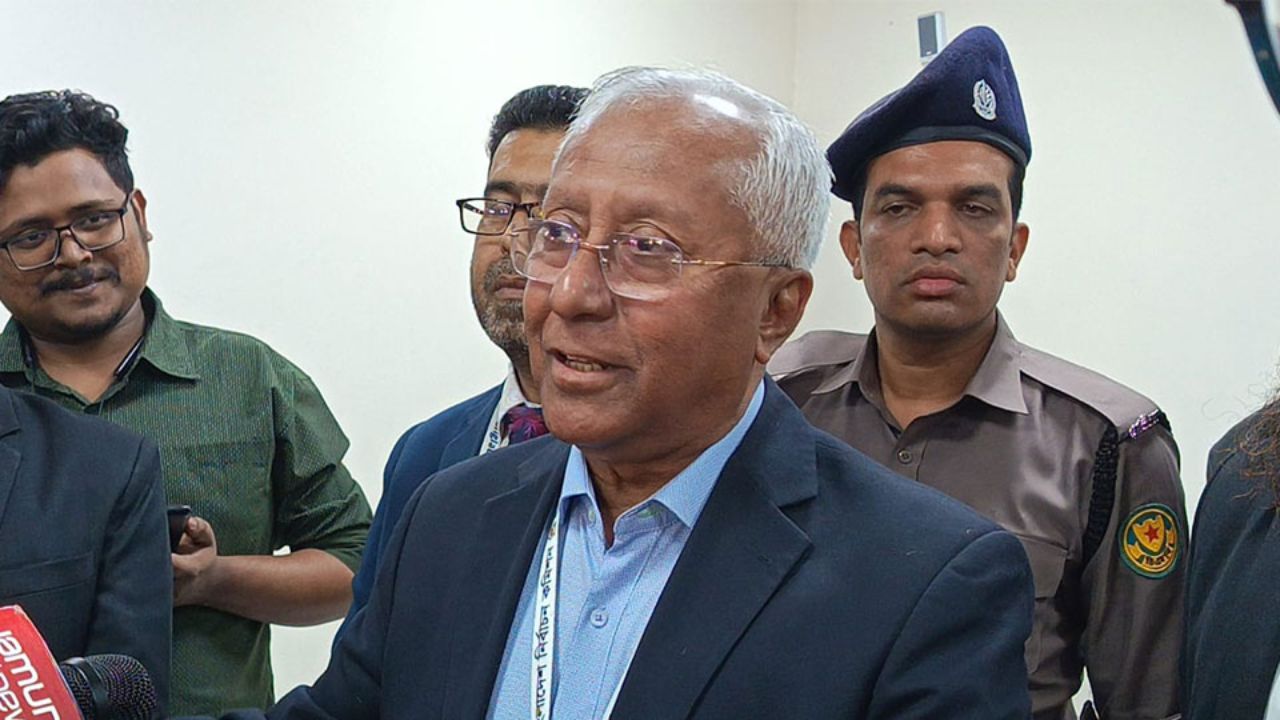
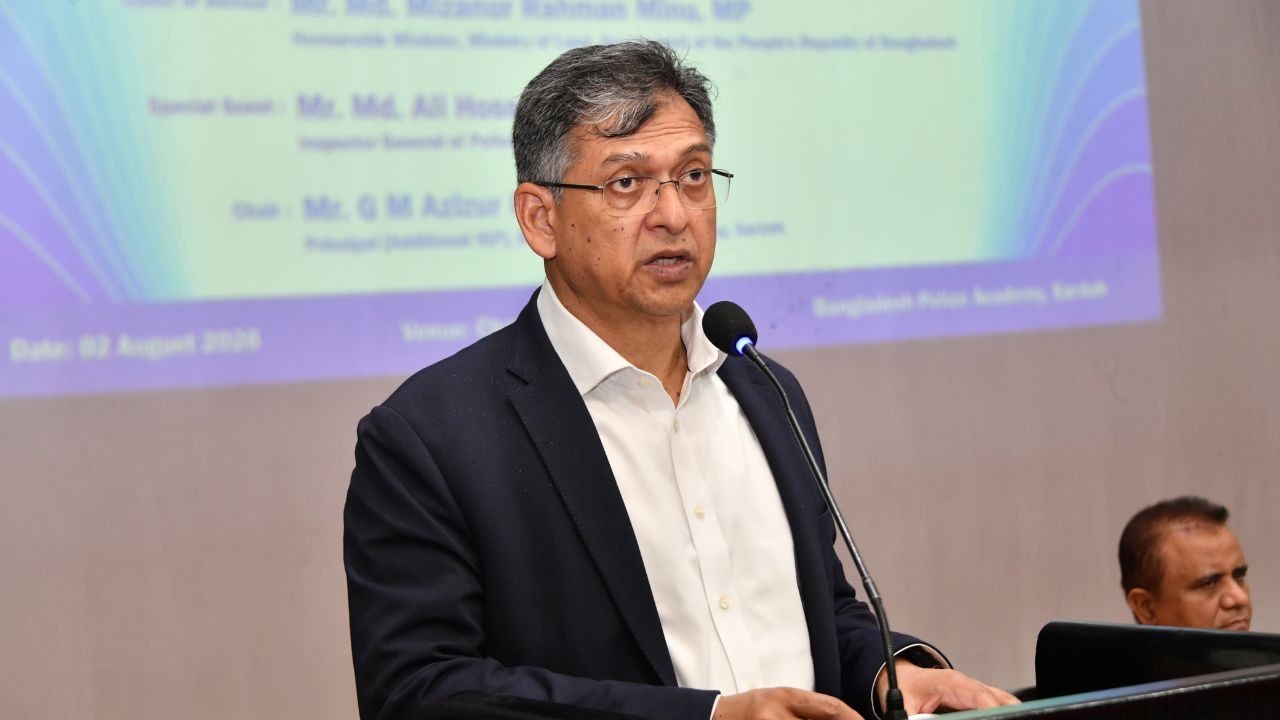
“But the situation has gone far beyond our expectations — NPLs have climbed to 35 percent,” he said, warning that the figure may increase further. He identified irregularities in the bond and stock markets as key factors behind the sector’s vulnerability.
“Resolving the accumulated problems will take time. It may take another ten years for the banking sector to fully stabilise,” he added.
Mansur also said Bangladesh is not facing a dollar shortage at the moment. He attributed this to the shift to a market‑based dollar exchange rate, which he said has helped ease inflation.
“We can now import as much as needed. Banks are not facing barriers in handling import‑related transactions,” he said.
Regarding Ramadan‑related imports, the governor said there is no indication of shortages so far. “All essential items required for Ramadan have already been imported in adequate quantities,” he added.