The government has imposed a 22-day nationwide ban on catching Hilsa from 8 to 29 October to ensure safe spawning during the peak breeding season.
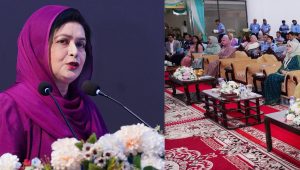
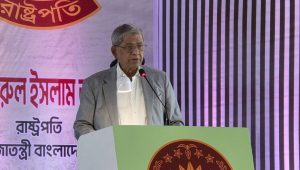
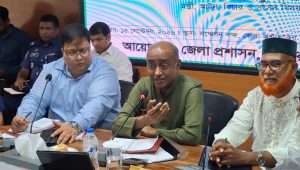
The decision was taken at a meeting of the National Task Force Committee on Hilsa Resource Development, held at the ministry’s conference room on Tuesday. The meeting set the ban period and approved implementation of the Mother Hilsa Conservation Campaign 2026.
Fisheries and Livestock Minister Mohammad Amin Ur Rashid presided over the meeting.
According to the meeting’s decisions, the nationwide transportation, storage, marketing, buying, selling, and exchange of Hilsa will remain strictly prohibited throughout the 22-day period.
The mother Hilsa conservation campaign will be conducted during this timeframe, while the government will provide Vulnerable Group Feeding (VGF) food assistance to fishermen abstaining from fishing.

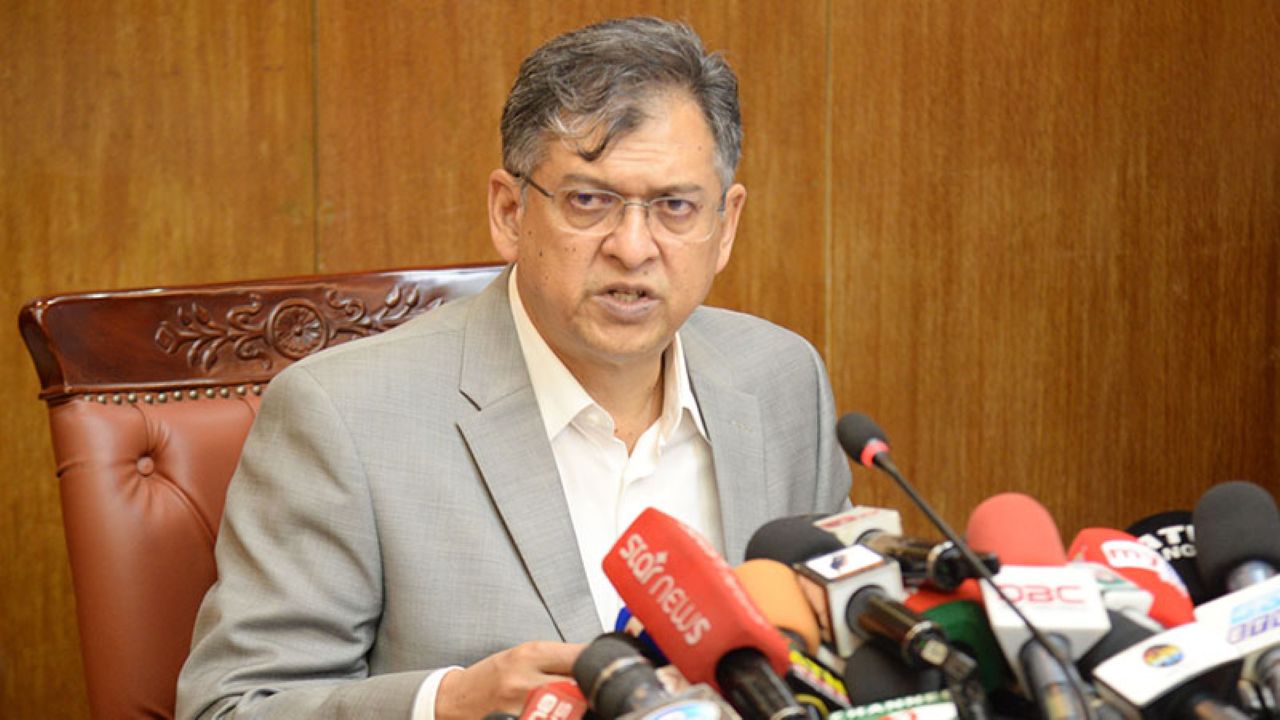
Delivering his presidential address, Rashid said no compromise would be made in protecting mother Hilsa to ensure sustainable production. He stressed that surveillance and operations must be further intensified in key spawning sanctuaries, including Barishal, Chandpur, and Bhola.
The minister instructed the district administration, naval police, coast guard, and fisheries department to work in a coordinated manner to strictly implement the fishing ban.
He added that additional vessels and logistical support would be provided to hotspots if required.


To stop the marketing of illegally caught fish, surveillance will be stepped up across ice mills, wholesale fish markets (aarats), and retail markets. Strict drives will also be conducted to remove illegal nets from major breeding grounds, including the Chandpur Mohona.
Emphasising zero tolerance for catching or marketing fish during the ban, the minister expressed optimism that sustained coordinated efforts across all relevant agencies would boost Hilsa production in the coming season.
Speaking at the event, State Minister for Fisheries and Livestock Sultan Sulauddin Tuku emphasised that the underlying reasons for the daily decline in Hilsa yield must be identified through research.
He said necessary measures would be taken after locating operational weaknesses and gaps.
Highlighting the need to curb illegal nets, the state minister called for effective steps against the manufacture and sale of prohibited nets, urging fishermen’s representatives to build awareness alongside government initiatives.
He noted that incentives are being provided to keep fishermen away from fishing during the banned period, adding that supervision will be increased to ensure this aid properly reaches genuine fishermen.
Tuku described the decline in domestic Hilsa production, which has led to importing fish from abroad, as a matter of serious concern, calling for a unified approach to address the situation.
He announced that an integrated action plan will be adopted in the coming days to protect Hilsa as a national asset and Geographical Indication (GI) product while enhancing production.
The meeting was attended by Fisheries and Livestock Secretary Md Delwar Hossain, Bangladesh Fisheries Development Corporation Chairman Md Meer Hossain, Fisheries Department Director General Md Khaled Kanak, and Bangladesh Fisheries Research Institute Director General Md Latiful Islam.
Representatives from the Cabinet Division, Ministry of Shipping, Ministry of Commerce, District Commissioners, RAB, Coast Guard, Air Force, Naval Police, and BGB also participated.
Senior officials of the ministry and departments, alongside representatives from Dhaka University and National Fishermen’s Association (Jatiya Matsyajibi Samity), were present at the meeting.