BRAC has expanded its “experiential floating classrooms” fleet with the addition of three new vessels, designed to bring modern education to disadvantaged children in the country’s river-eroded and wetland regions.
These new specialised floating classrooms focus on the environment, digital technology, and history, bringing the total number of such boats in the fleet to six.
BRAC Executive Director Asif Saleh officially inaugurated the three new boats at the Kadam Rasul Dargah field in Narayanganj on Monday, 15 June. While the educational materials and activities are primarily tailored for primary-level students, the boats are open to visitors of all ages.
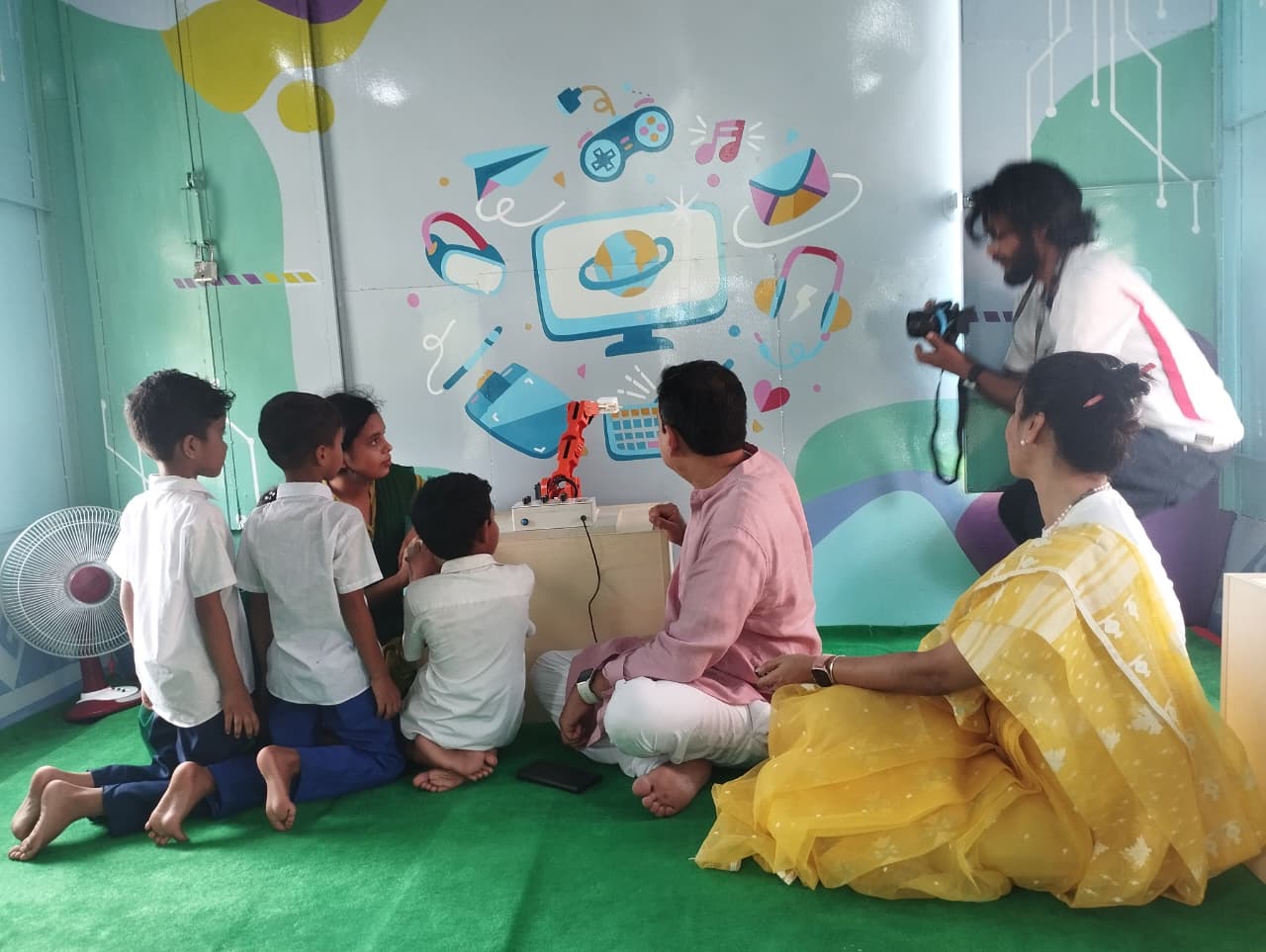
The initiative aims to provide hands-on learning opportunities for children who are often deprived of education due to geographical isolation, poverty, and the impacts of climate change.

Specialised learning experiences
Each boat offers a unique curriculum:
- Environment Boat: Children learn about climate change, biodiversity, pollution, waste management, and sustainable lifestyles through practical experiences.
- Digital Boat: This vessel features Augmented Reality (AR), Virtual Reality (VR), robotics, and various interactive digital learning tools.
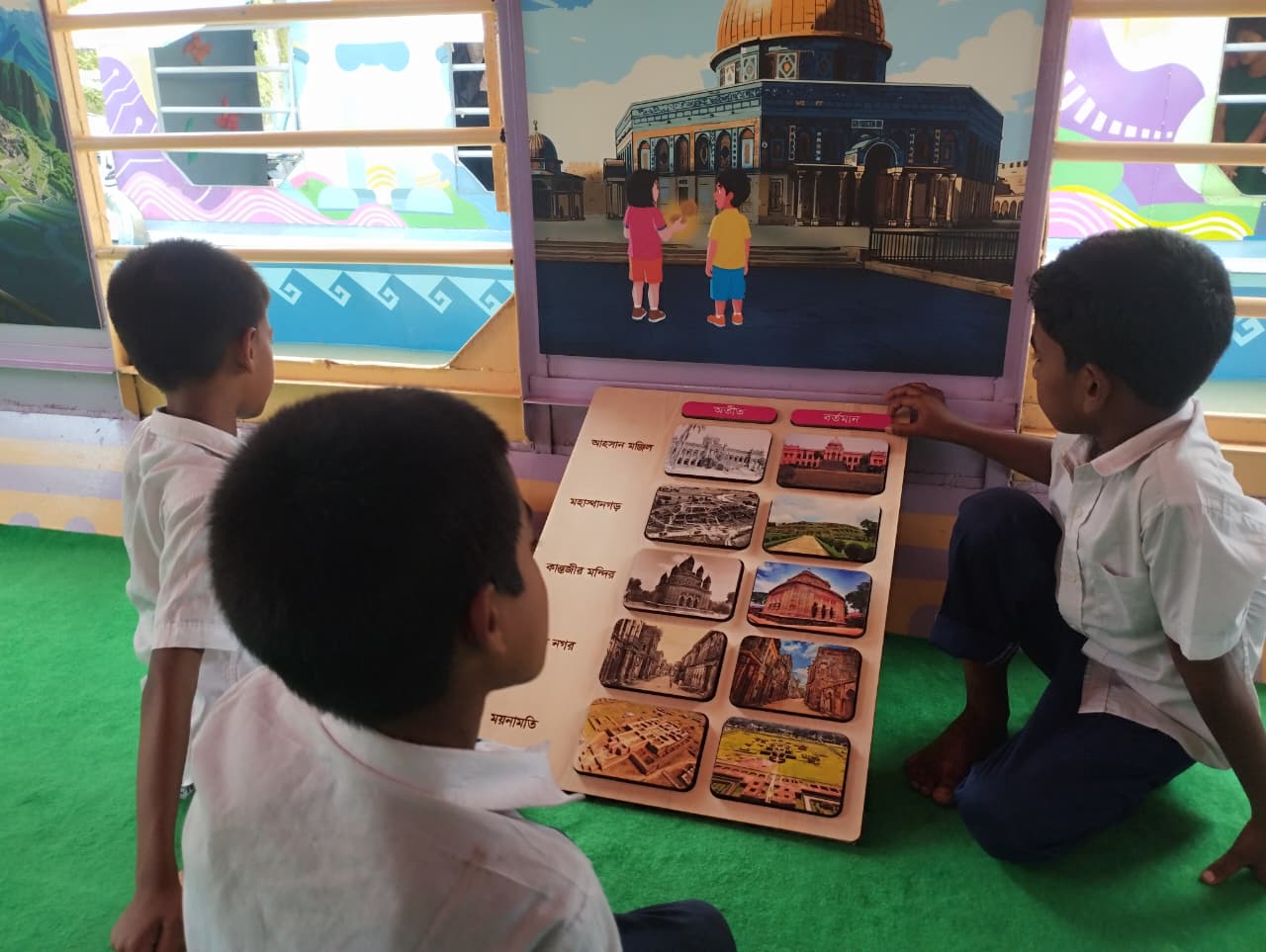
- History Boat: Students are introduced to the heritage of Bangladesh through archaeological exploration, excavation simulations, story-based exhibitions, and map-based activities.
A decade of impact
BRAC first launched its floating education programme in 2011 to strengthen learning in flood-prone areas, later evolving them into experiential learning centres. To date, these boats have travelled to 77 locations across 16 districts, spanning from Bhola to Sunamganj.




Approximately 80,000 students have participated in the programme, and 462 women volunteers have been trained.
Speaking at the inauguration, Asif Saleh highlighted the limitations of traditional education. “Rote-based learning may help students achieve good exam results, but it does not build the skills needed to solve real-life problems,” he said.
Saleh noted that a major weakness in the current system is the lack of connection between classroom lessons and practical application.
He emphasised his desire to see students become skilled problem-solvers capable of meeting future challenges. “To be prepared for tomorrow, it is not enough to just memorise information; one must know how to use science and technology to solve real-world issues,” he added.
Expanding horizons
Safi Rahman Khan, director of Education, Skills Development, and Migration at BRAC, remarked that these boats are more than just educational tools; they expand children’s imaginations and provide experiences they might otherwise never access.
Nivin Reza, Head of Social Enterprise at the BRAC Education Programme, added that for many children in remote riverine areas, these boats represent their first encounter with robotics, VR, and scientific simulations.
The boats typically remain in a specific area for 7 to 10 days and are open to the public from 10am to 4pm. To ensure inclusivity, each vessel is equipped with special ramps for children and persons with disabilities.
The ceremony was also attended by Bandar Upazila Nirbahi Officer Shivani Sarkar, Upazila Secondary Education Officer Md Abdul Kaiyum Khan, and Upazila Primary Education Officer Md Azmol Hossain, all of whom inspected the boats and observed the educational activities.