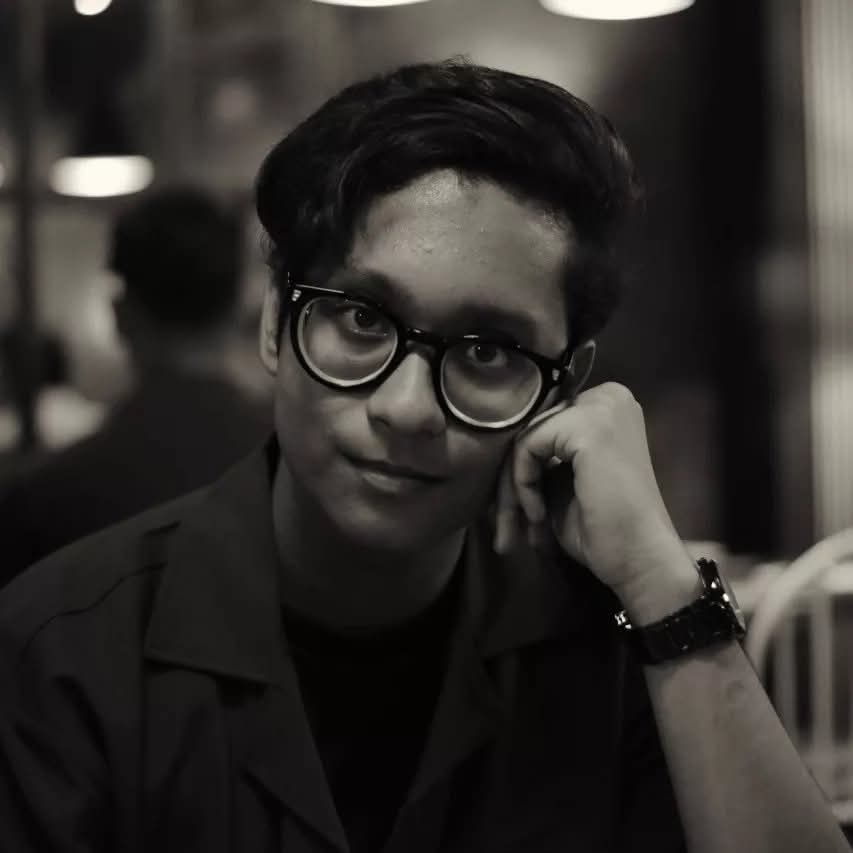
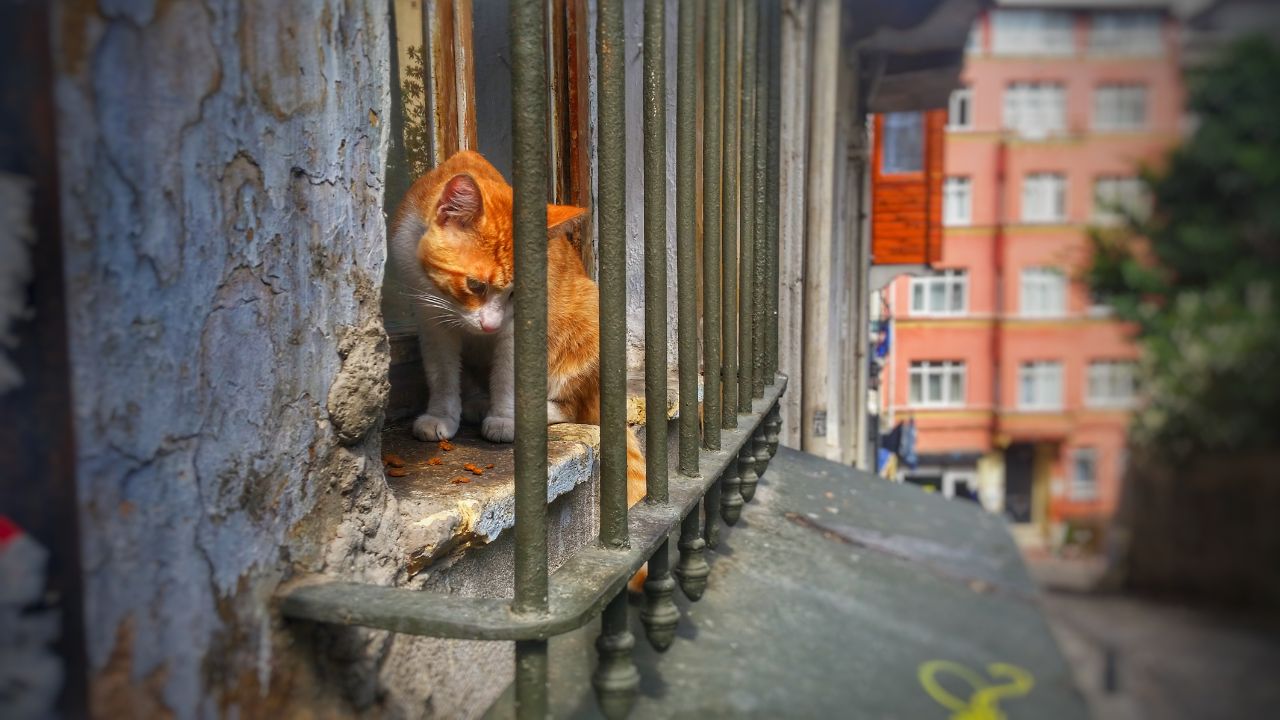



Sadia Afrin had everything ready for Eid-ul-Adha. Or at least she thought she did. Her bags were packed for Brahmanbaria, her hometown. Her family had already left Dhaka.
But Sadia was still in the city, stuck in a decision that had nothing to do with tickets or transport. It was about five small lives at home — her cats: Jadu, Beanie, Tutul, Potol and Maomao.
Finding someone to look after them turned into a dead end. Neighbours declined. Friends were either travelling themselves or hesitant because of family concerns around pets. Pet boarding facilities existed, but they were far beyond her budget.
So, like many Eids before, Sadia stayed back in Dhaka.
What began as a personal struggle is now quietly becoming a shared urban experience — a new kind of Eid dilemma for Bangladesh’s growing pet-owning middle class.
A growing bond, an unprepared city
Pet ownership in Dhaka has been rising steadily, especially among younger urban families and professionals shaped by social media culture and changing ideas of companionship.

Dogs, cats, birds and even small pets like hamsters are increasingly becoming part of household life — not in yards or rooftops but inside living rooms and bedrooms.
For many owners, these animals are not accessories. They are emotional anchors.
But the city has not adjusted to this shift.
When people leave for Eid, emergencies or work trips, there are few reliable options for pet care. Most depend on informal help — a neighbour, a friend, or a relative willing to step in temporarily.




Formal pet boarding remains limited, expensive, and often unknown to many households.
For instance, although pet boarding facilities like Furryghor do provide these services in Dhaka, the cost exceeds well beyond middle household income.
Furryghor charges 700tk per night for boarding one room and they can facilitate upto a maximum of 3 animals in one room.
While talking to Sadia, she said, gloomily, that Furryghor would charge a total of 17500tk for two rooms to facilitate her 5 cats for 5 nights, a cost well beyond her affordability.
“I know people think I’m overreacting,” Sadia says, half smiling. “They say, ‘It’s just cats.’ But to me, they are my family.”
Travelling with pets: Few rules, fewer options
For those who try to take pets along, the barriers multiply.
Bangladesh’s bus and train services do not have clear policies allowing animals in passenger compartments. Complaints from passengers often leave pet owners with no formal protection or options.
Ride-sharing services remain inconsistent. Uber may allow pets depending on driver consent, while Pathao generally does not permit them on passenger rides. That uncertainty alone makes planning difficult.
Hotels and resthouses often impose “no pet” rules, though a few pet-friendly places exist without being widely standardised.
Social stigma adds another layer. In parts of society, especially where religious concerns about animals exist, pet ownership can still draw discomfort or judgment.
Together, these realities create what many pet owners describe as an invisible burden — a constant negotiation with a system that has not caught up with their way of living.
A quiet problem, a changing city
As pet ownership continues to grow in urban Bangladesh, the gap between lifestyle and infrastructure is becoming more visible.
What once seemed like a personal choice is now a broader urban issue — one that sits at the intersection of transport, housing, affordability and social attitudes.
For Sadia, the solution is simple, even if the system is not.
“I just want to go home for Eid,” she says. “Without feeling like I’m abandoning someone who depends on me.”
And in that sentence lies the heart of the story — a city moving forward, while quietly leaving some of its newest families behind.