


Entrepreneurs with disabilities in Bangladesh need clearer guidance on how to access loans and banking services, speakers at a Dhaka seminar said, agreeing to prepare a guideline outlining the procedures for obtaining financial facilities.
The proposed document will explain how entrepreneurs can apply for banking services, secure loans and access other financial support, addressing a key obstacle raised at the event – a lack of clarity about available facilities, application procedures and where to seek assistance.
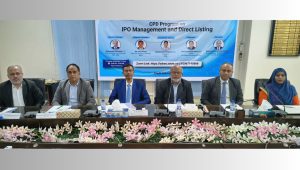
The seminar, titled “Financial and Institutional Support from the Banking Sector for Entrepreneurs with Disabilities in Bangladesh”, was organised by Rotary Club of Dhaka North on Saturday, 7 November, at BRAC Inn in Dhaka. Speakers urged banks to make existing products and services more accessible, transparent and responsive to the needs of entrepreneurs with disabilities.
Alliance Finance CEO Kanti Kumar Saha, Eastern Bank’s Shakil Ahmed, United Commercial Bank Chief Communications Officer Zeeshan Kingshuk Huq and Upay’s Shakil discussed existing banking products and services that could support business development among people with disabilities.

Impact Investment Exchange Bangladesh Director of Advisory and Partnerships Debashish Roy stressed the need to make financial products and services more visible, accessible and user-friendly to support their economic empowerment.
BRAC Lead of Gender Justice and Diversification, Disability Inclusion Zahidul Kabir and Bangladesh Business & Disability Network Director of Operations Aziza Ahmed discussed the responsibilities of individuals and organisations working in the sector and their efforts to empower people with disabilities.
Alliance Finance Chairman Syed Ali Jowher Rizvi said banks could take a more proactive approach while complying with existing regulations.




“All banking rules must be followed, but within that framework, we can always be flexible and become proactive. It is very possible,” he said.
Bappi Sarker of the Cerebral Palsy Foundation said the organisation had developed a platform to promote the economic development of people with disabilities with support from different sections of society.
“We must become economically independent if we want meaningful change,” he said.
Ahona Rondhonshala founder Shormi Roy said people with disabilities should be given opportunities to build businesses and become self-reliant rather than depend on charity or sympathy.

Sharing her experience with banks, she said financial institutions had been responsive when she followed the required procedures. Any concessions, she added, should be made under banks’ policies and at their discretion.
“What we need most is to know how to apply and where to apply for loans and other banking facilities. We, of course, want support, but today’s disabled community wants to be treated as entrepreneurs first,” she said.
BRAC University adjunct faculty member Afsan Chowdhury, who moderated the seminar, said banks could do more to strengthen their engagement with entrepreneurs with disabilities within the existing regulatory framework. He stressed the need for transparency in all dealings and interactions.
The proposed guideline is expected to clarify the route to banking services and financial facilities for entrepreneurs with disabilities, while helping financial institutions improve their engagement with this underserved business community.