Environment Adviser Syeda Rizwana Hasan has said Bangladesh will need a total of $116.8 billion to implement its third nationally determined contribution (NDC 3.0) for tackling climate change risks.
Of this, $25.95 billion is expected to come from unconditional sources while $90.23 billion will require conditional financing, she added.
Under the plan, Bangladesh aims to reduce a total of 84.92 million tonnes of CO₂ equivalent emissions by 2035, including 26.7 million tonnes (6.39%) unconditionally and 58.2 million tonnes (13.91%) conditionally.
The adviser made these remarks while speaking as the chief guest at the Validation Workshop on NDC 3.0 at the Department of Environment at Agargaon in Dhaka on Sunday.

“NDC 3.0 is not just about reducing emissions; it is a pledge to build an inclusive and equitable future,” she emphasised.
She called for prioritising the participation of women, children, the elderly, persons with disabilities, ethnic minorities, and climate migrants, while also stressing the importance of adopting a human rights–based approach to climate action.



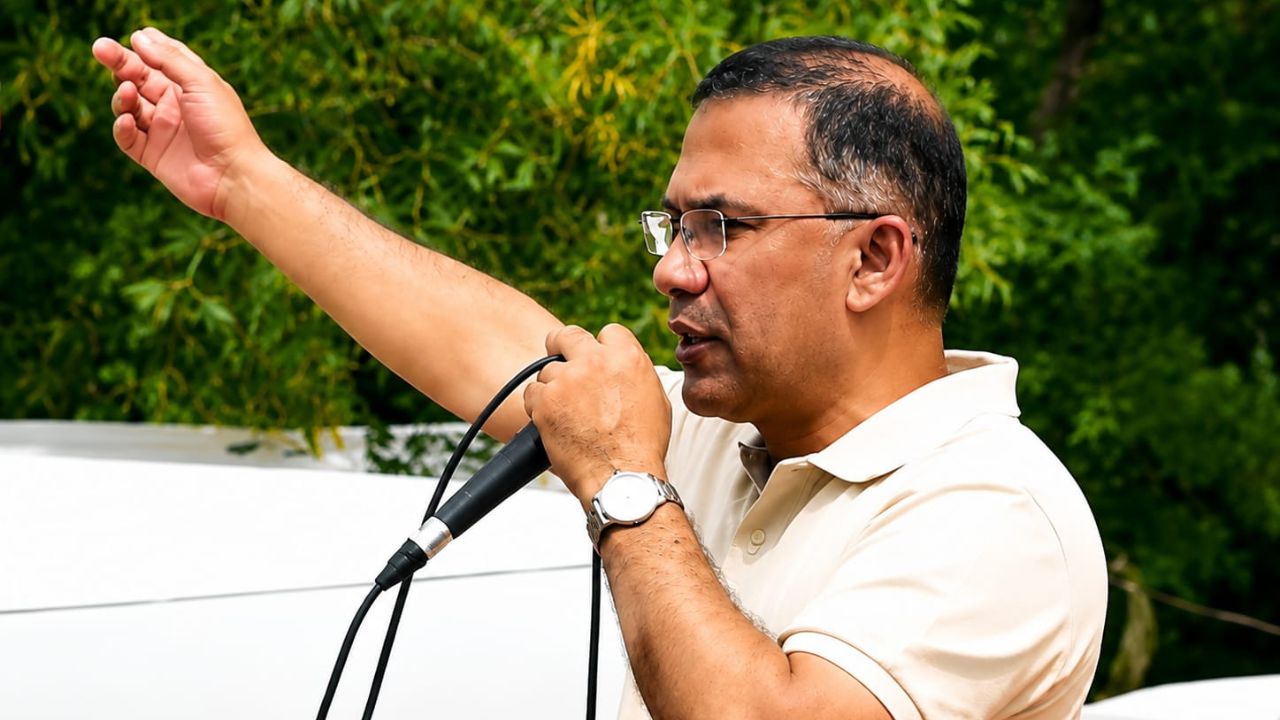
Highlighting the role of youths, she said engaging young people in renewable energy projects, green entrepreneurship, research, and awareness programmes would pave the way for a climate-resilient Bangladesh for future generations.
Rizwana stressed the need for making sectors such as health, water and sanitation, education, food security, agriculture, and infrastructure both climate-resilient and environmentally friendly.
She underscored the importance of integrating climate education and green skills into the education system and ensuring a “just transition” from fossil fuels to renewable energy—through worker retraining, support for small entrepreneurs, and inclusion of vulnerable communities.
“A sustainable, inclusive, and climate-resilient Bangladesh cannot be achieved without collective efforts from the government, development partners, the private sector, researchers, and civil society.”
Environment Secretary Dr Farhina Ahmed and Additional Secretary (Climate Change) Mohammad Navid Shafiullah were present at the event as special guests.
The workshop was chaired by Dr Md Kamruzzaman, director general of the Department of Environment, while Joint Secretary (Climate Change) Dharitri Kumar Sarker moderated the session.
Representatives from various national and international governmental and non-governmental organisations participated in the discussion.