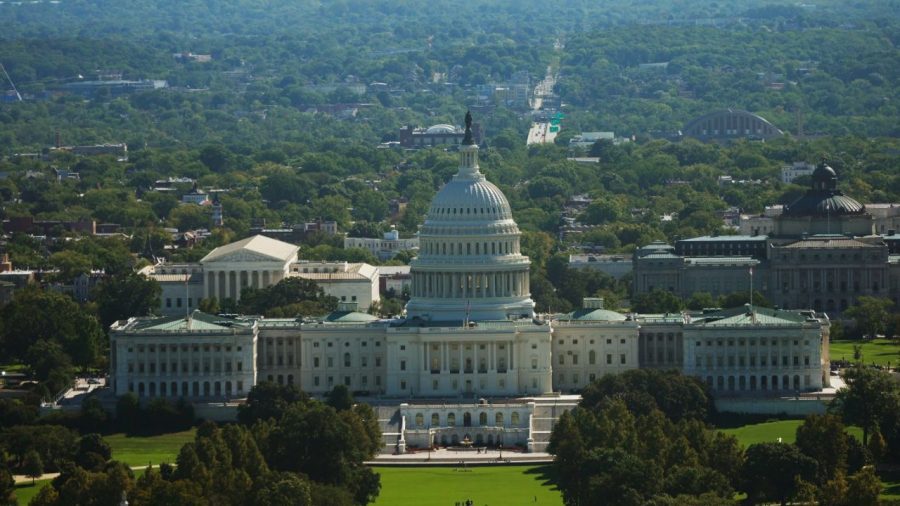

The US House of Representatives has voted for a third time to end the war in Iran, approving a war powers resolution that would prevent President Donald Trump from continuing military operations without congressional approval.
The measure passed 220-204 late Tuesday, with seven Republicans joining all House Democrats in supporting it. Previous attempts to restrict the military campaign have not reached Trump’s desk, where such a measure would face a likely veto, reports AP.
Democratic Representative Seth Moulton of Massachusetts, a former Marine who served during the Iraq War and helped advance the resolution, criticised the administration’s handling of the conflict.
Moulton said Congress should scrutinise the war and exercise the authority given to it under the Constitution rather than defer to the administration.
Republican Representative Brian Mast of Florida, chairman of the House Foreign Affairs Committee, questioned what military resources supporters of the resolution wanted withdrawn from the region.
Mast argued that Iran continued to pose a threat to the United States and said Trump was seeking to end prolonged conflicts rather than create another “forever war”.

Last House vote before midterms
Tuesday’s vote is expected to be the House’s final action on the Iran war before the midterm elections, with fewer than 50 days remaining before voters decide control of Congress.
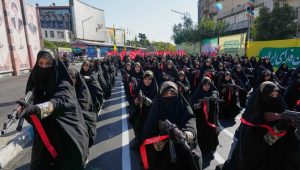
The conflict began on 28 February and has continued for nearly seven months, with intermittent missile exchanges causing deaths and widespread disruption across the region.
Lawmakers are due to return to their constituencies at the end of the week as campaigning intensifies ahead of the elections, in which Democrats are seeking to wrest control of Congress from Republicans.
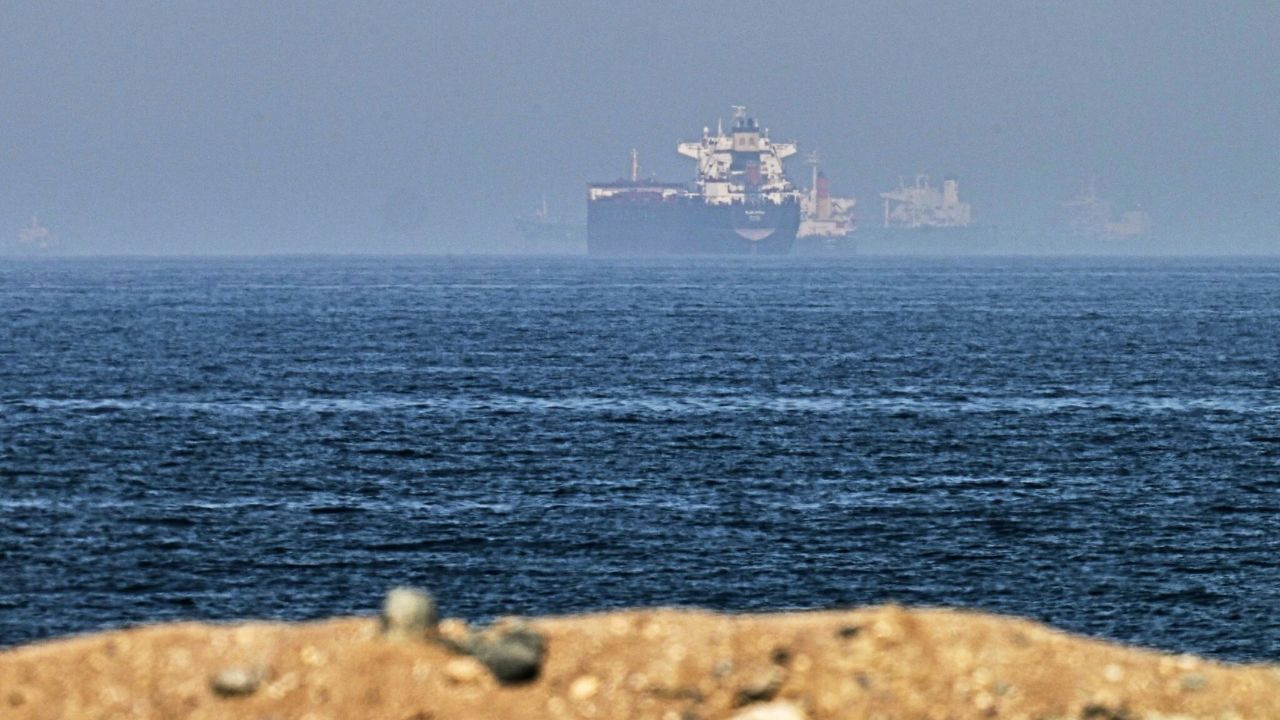
The war has also added to economic pressures in the United States, including higher fuel prices, as disruption in the Strait of Hormuz has affected oil shipments.




The Congressional Budget Office (CBO) estimated that US military operations against Iran had cost the Department of Defense about $38 billion as of 1 August.
It estimated that each additional month of fighting could cost about $2 billion if violence remained relatively low and sporadic, rising to around $3 billion if the intensity returned to July levels.
The CBO also estimated that, by the first quarter of 2027, inflation measured by the personal consumption expenditures price index would be 0.5 percentage points higher than it had projected in February because of higher energy prices linked to the conflict.
Trump had pledged during his successful campaign for a second term to keep the United States out of foreign wars. The Iran conflict has since become an issue in the midterm campaign.
An AP-NORC poll conducted in July found that most Americans surveyed believed the war had not been worth fighting.
Four Republicans had backed previous House efforts to end the conflict. Seven voted for Tuesday’s resolution.
They were Zachary Nunn and Mariannette Miller-Meeks of Iowa, Nancy Mace of South Carolina, Tom Barrett of Michigan, Warren Davidson of Ohio, Brian Fitzpatrick of Pennsylvania and Thomas Massie of Kentucky.
All House Democrats supported the resolution.
War powers authority tested
Congress has repeatedly sought to influence the course of the conflict, but attempts to restrict the administration’s military operations face major hurdles while Trump retains the power to block or veto legislation.
The House approved war powers resolutions seeking to end US military action against Iran in June and July.
The Senate also approved a war powers resolution on its 10th attempt, but Republican senators reversed course the following day after Trump criticised them during a closed-door lunch.
The US Constitution gives Congress the authority to declare war while making the president commander-in-chief of the armed forces.
The War Powers Resolution, enacted in the aftermath of the Vietnam War, sought to establish clearer limits on presidential authority to conduct sustained military operations without congressional approval.
House Speaker Mike Johnson acknowledged on Tuesday that petrol prices needed to fall, but said he believed the Iran conflict was entering a “new phase” as US allies stepped up efforts to stabilise the region.
Johnson said Trump expected that shift to occur after the election and argued that lower fuel and grocery prices would follow.