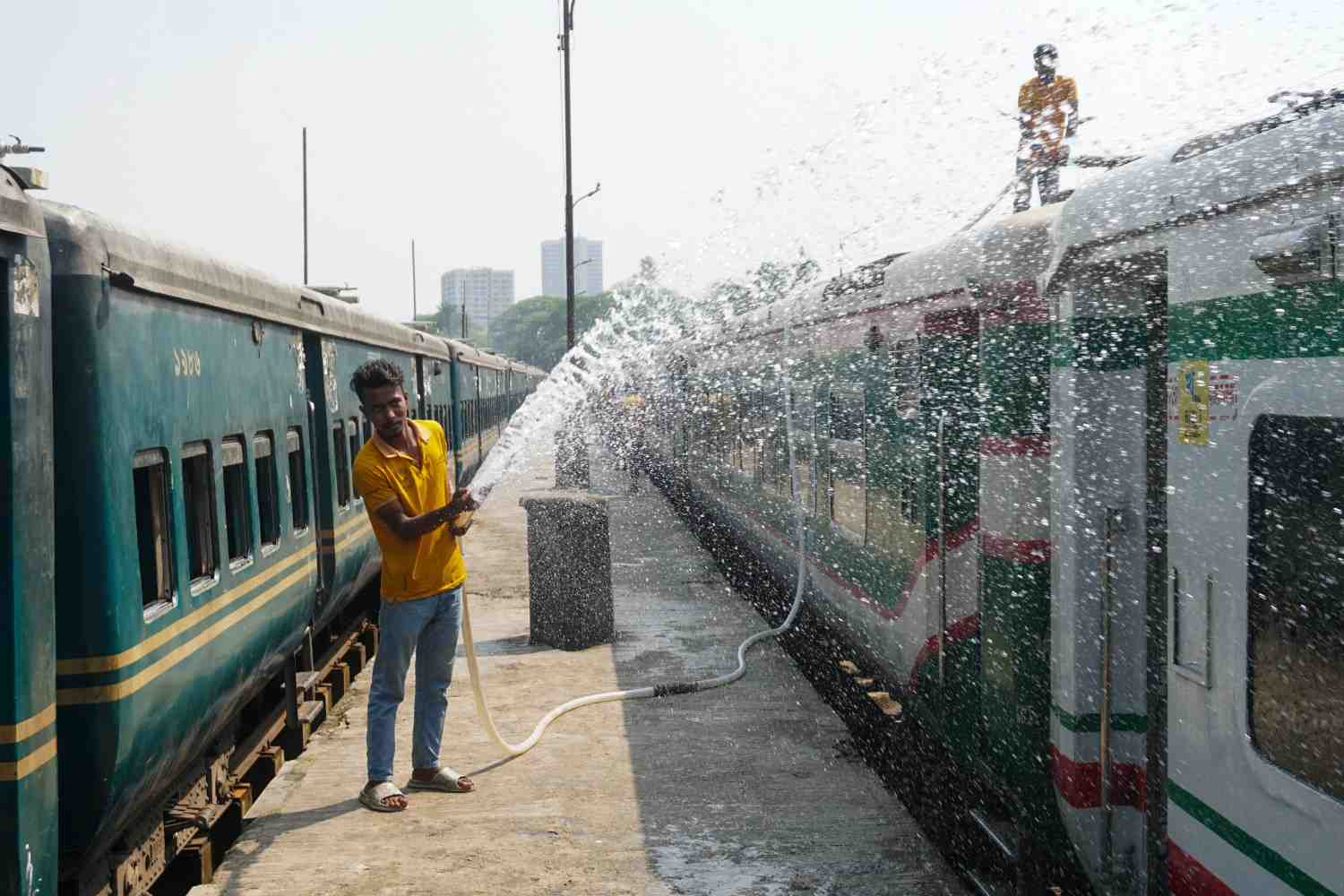
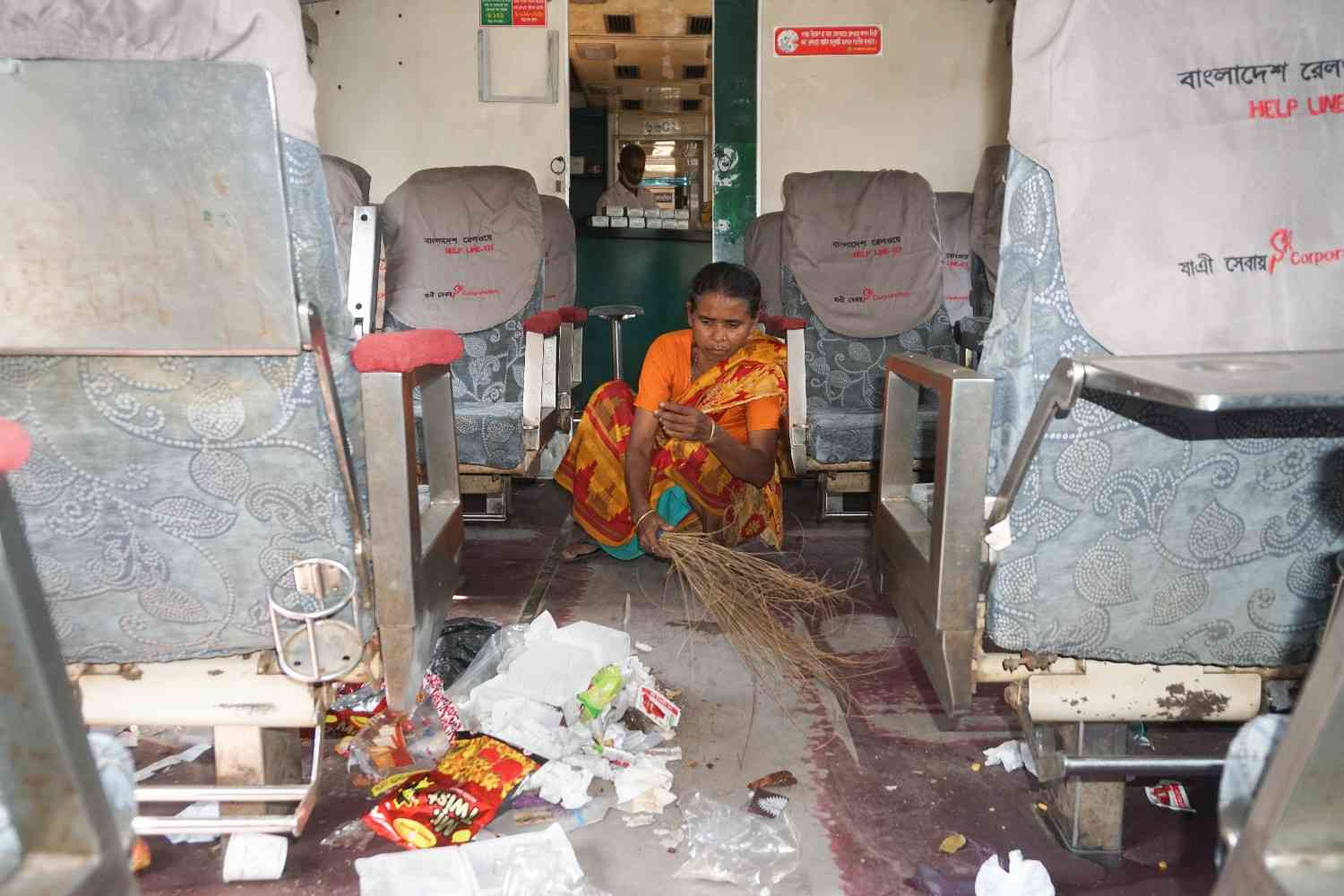
Under the harsh afternoon sun, a railway worker stands on top of a stationary train, spraying water from a hose pipe, trying to wash away layers of dust and grime. Inside another carriage, a cleaner bends over a sack of garbage, collecting plastic wrappers and food waste scattered across the floor.
In a corner seat, a woman sweeps quietly with a bundle of straw, pushing dirt and debris toward the aisle. These scenes tell a simple but powerful story. Bangladesh Railways has returned to manual cleaning after a costly attempt at automation failed.
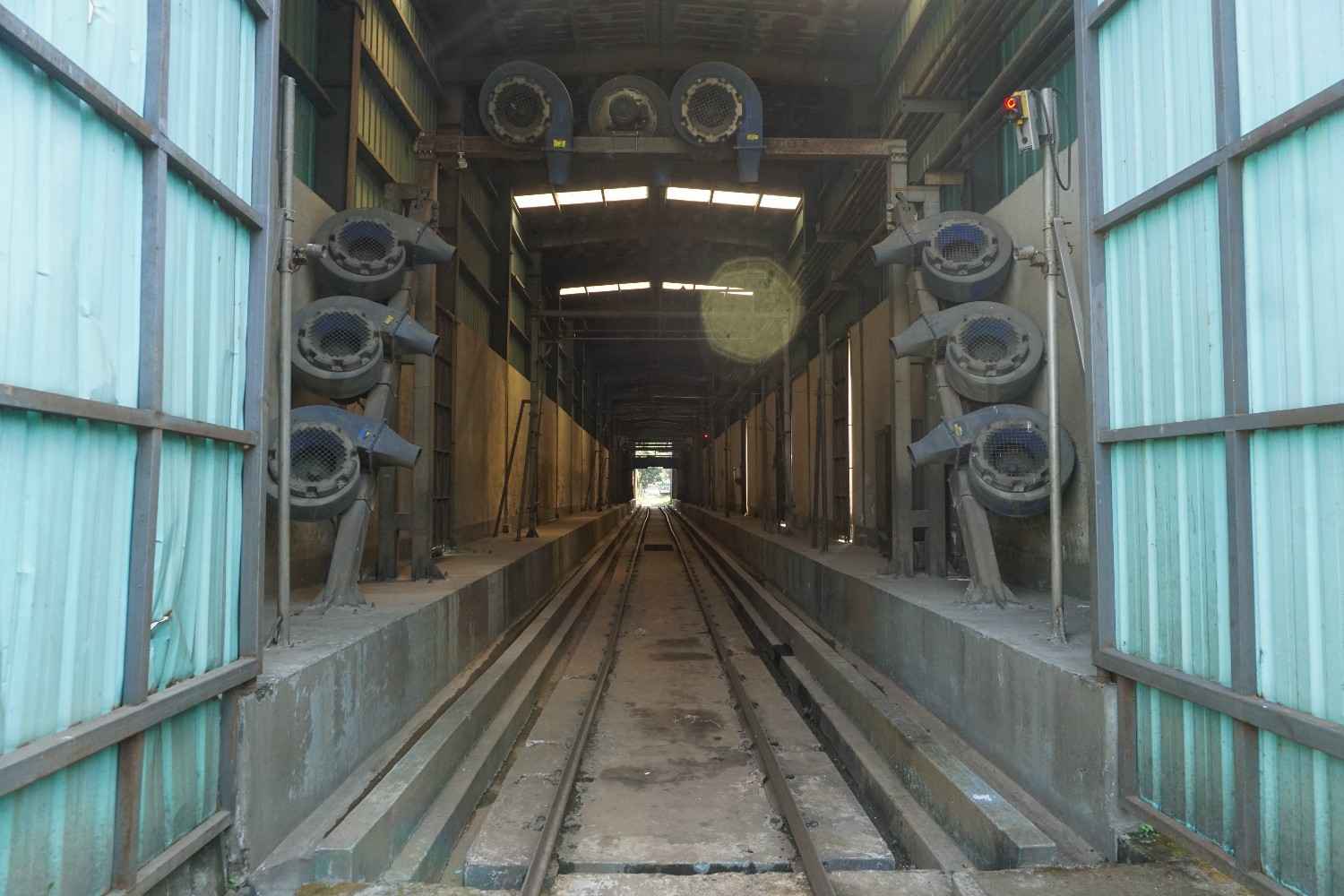
In 2019, Bangladesh Railways introduced two automatic train washing plants in Kamalapur and Rajshahi at a cost of Tk 380 million.

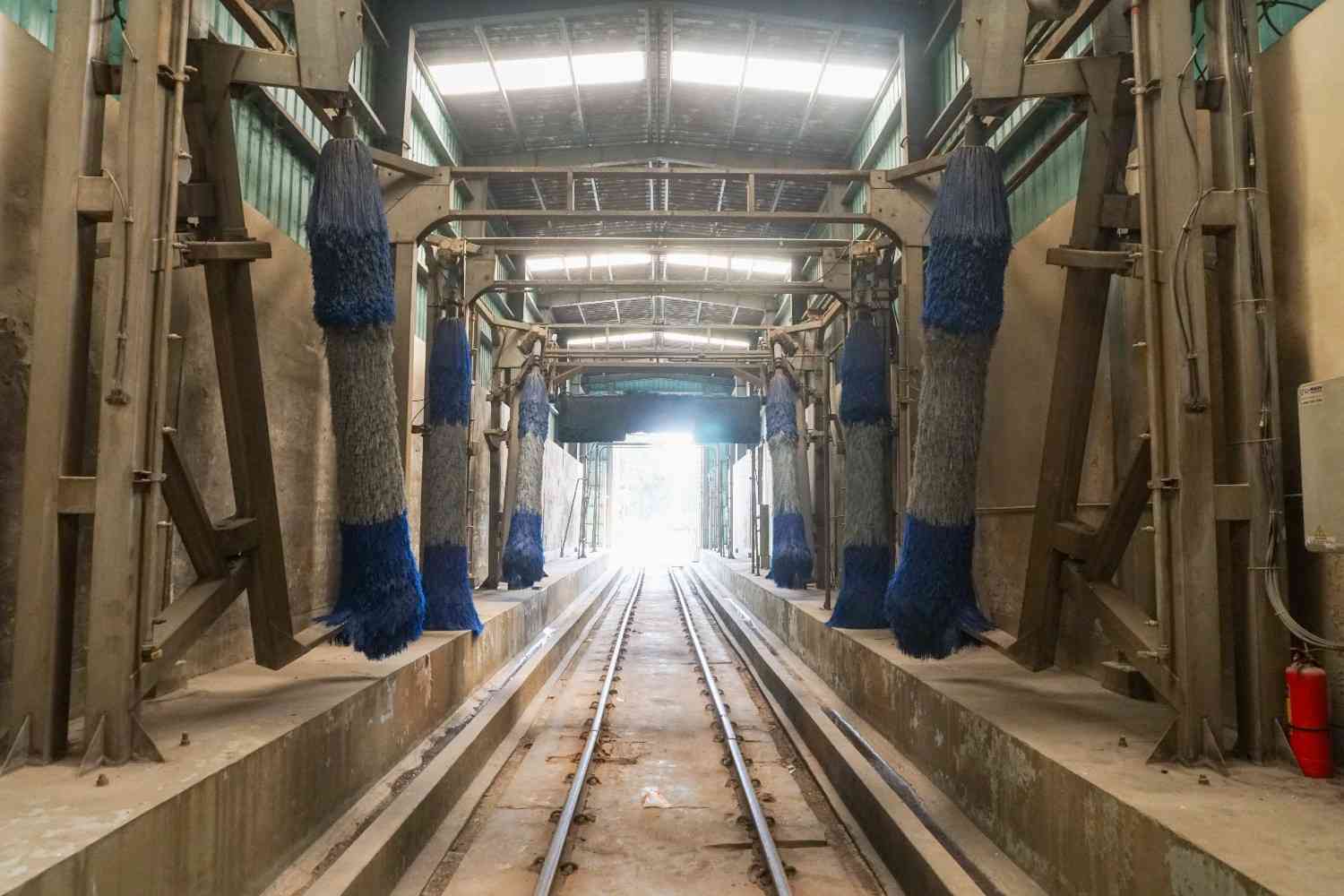
The initiative was meant to modernise the system, reduce labour, and ensure faster and more efficient cleaning. Equipped with motorised brushes, soap-spraying units and high-powered fans, the plants were designed to wash an entire train within 8 to 10 minutes.
But the promise did not last long. Within just 20 months, both washing plants were shut down. Although 2,929 trains were cleaned during their short operation, the cost proved overwhelming.


Each wash cost around Tk 1,30,000, and with electricity, water, detergent and manpower added, the expense rose to nearly Tk 1,50,000 per train.
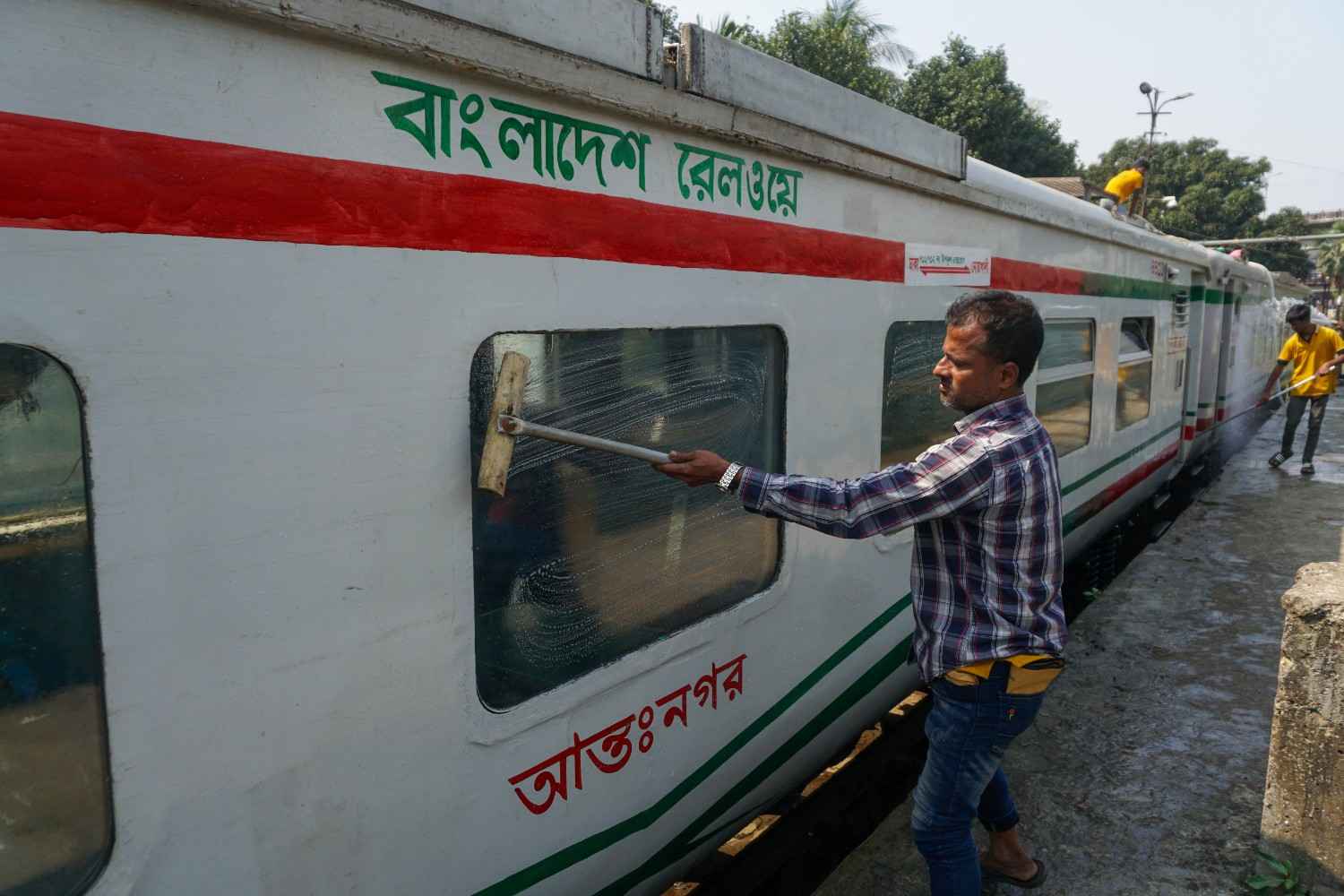
In contrast, manual cleaning costs less than Tk 1,000. Officials now admit that reviving the plants would require more investment, which they consider impractical.
The failure reflects deeper structural problems. Maintenance difficulties, lack of spare parts, and unsuitable design made the system unsustainable from the beginning. What was supposed to be a symbol of modernisation quickly turned into an example of poor planning.
Today, workers once again rely on hoses, brooms and manual labour to keep trains clean. This is a reminder that expensive technology alone cannot guarantee progress. Without proper planning, maintenance and long-term strategy, modernisation risks becoming just another abandoned project on the tracks of Bangladesh Railways.