To strengthen its defence industry, Bangladesh has sought support from Turkey, a Nato member, to enhance the capacity of Bangladesh Ordnance Factories (BOF), the state-owned enterprise that produces arms, ammunition, and equipment for the armed forces.
The matter came up during the visit of Professor Haluk Görgün, secretary of Turkey’s Defence Industry Agency, to Dhaka in July. If an agreement is reached, Turkey will provide technical and strategic assistance to improve Bangladesh’s defence production capabilities.
“We need to improve our capacity, and Turkey can help us in this regard. There are two key benefits: Turkish defence products and production capacity meet Nato standards, and their support is expected to be less conditional compared to other countries,” Bangladesh Ambassador to Turkey M Amanul Haque told TIMES of Bangladesh.
According to a senior military source, “Turkey has long been a trusted and time-tested friend of Bangladesh. For decades, the two nations have maintained training exchange programmes, and in the past Bangladesh procured various military gear and equipment from Ankara.”

In recent years, defence ties between Dhaka and Ankara have deepened significantly, he said.
“Turkey is now actively engaged in several small, medium, and large-scale projects with our armed forces, which has substantially contributed to enhancing our defence capacity. These initiatives are accelerating Bangladesh’s progress towards achieving its long-term objective of building a credible deterrence capability,” the source added.
Umbrella defence deal in the offing
Dhaka and Ankara currently have several small defence memoranda of understanding in place. Both sides are now considering consolidating these agreements into a single umbrella framework to streamline cooperation.

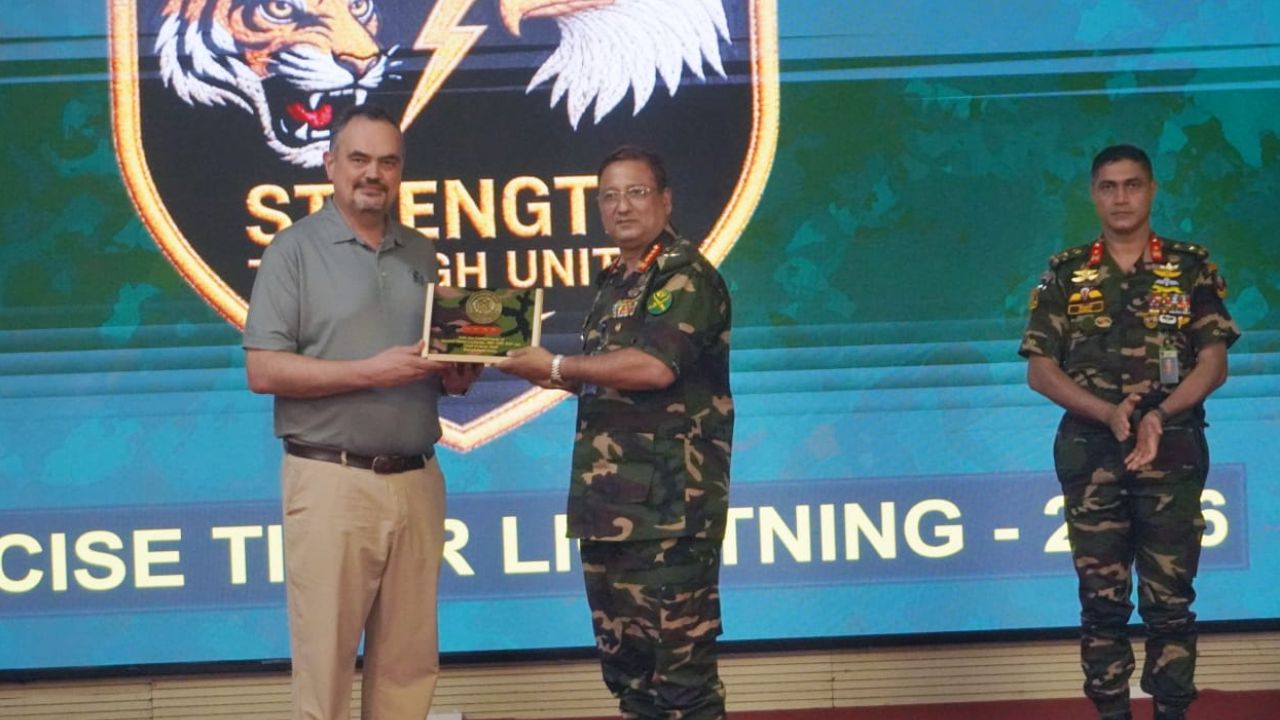


“It would be easier if we have one umbrella agreement instead of multiple separate MoUs. This would benefit both countries,” said the country’s ambassador in Ankara.
Bangladesh is considering a draft shared by Turkey.
Turkey: A rising defence partner
Turkey has rapidly emerged as Bangladesh’s second-largest arms supplier after China, earning Dhaka’s trust as a reliable partner in defence procurement.
According to the Stockholm International Peace Research Institute (SIPRI), Turkey has supplied Bangladesh with defence goods worth $151 million since 2017. Arms exports surged from 2021 onward, with an additional $134 million worth of equipment delivered over the following three years.
Bangladesh has imported guided rockets, armoured personnel carriers, towed guns, air-to-surface missiles, multiple rocket launchers, armed UAVs, and precision-guided bombs from Turkey.
Bangladesh Ordnance Factories
The Bangladesh Ordnance Factories were established in 1968 with Chinese support and began production in 1977. Its explosive section was added in 1981, followed by a modernization program completed in 1987.
Between 2002 and 2005, BOF achieved major breakthroughs, including the TNT (trinitrotoluene) filling plant, grenade manufacturing plant, and induction furnace plant. In 2004–05, the factory initiated a project to produce the BD-08 automatic assault rifle, which entered production in 2008. Further modernization came in 2012 with the CB-10 project, expanding small arms ammunition production.
Today, BOF consists of four key units: the Small Arms Factory, High Calibre Ammunition Factory, Small Arms Ammunition Factory, and Machine Tools Factory.