


Bangladesh and Malaysia moved to deepen cooperation in education, skills development and employability at a day-long international seminar in Dhaka, where three institutions signed an agreement to develop a pilot platform linking qualifications, industry requirements and workforce readiness.
Finance and Planning Minister Amir Khasru Mahmud Chowdhury, State Minister for Foreign Affairs Shama Obaed Islam and Malaysian High Commissioner to Bangladesh Mohd Shuhada Othman joined the seminar at the Samson H Chowdhury Centre at Dhaka Club on 28 July, the organisers said in a press release.
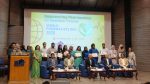
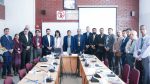
The event, titled “Creating Pathways for Education, Skills and Employability: A Bangladesh–Malaysia Joint Initiative”, was jointly organised by Chittagong Independent University, HELP University of Malaysia and UCEP Bangladesh, with support from Bangladesh’s Ministry of Foreign Affairs.
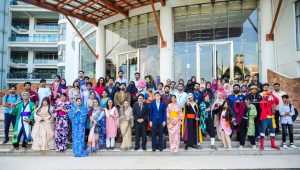
Senior government officials, diplomats, university leaders, industry experts and policymakers from Bangladesh and Malaysia also attended.
Shama Obaed Islam attended the inaugural session as chief guest. The programme began with a welcome address by Syed Mahmudul Huq, convenor of the Committee on Academia–Industry Partnership and a member of Chittagong Independent University’s Board of Trustees.
Dr Md Abdul Karim, executive director of UCEP Bangladesh; Professor Datuk Dr Paul Chan, co-founder and chancellor of HELP University; and Professor Dr M M Nurul Absar, vice-chancellor of Chittagong Independent University, also delivered remarks.
Lutfe M Ayub, chairman of the Board of Trustees of Chittagong Independent University, chaired the inaugural session.

Two technical sessions examined emerging challenges and opportunities in education, skills development and workforce readiness, bringing together policymakers, academics and industry leaders from the two countries.
The first session, titled “From Education to Employability: Aligning Learning, Skills and Industry Needs in the Age of AI and Emerging Technologies”, was chaired by Md Anwar Hossain, secretary of the Ministry of Science and Technology.
Professor Datuk Dr Paul Chan delivered the keynote address, titled “Preparing Graduates for AI-Driven Industries: Lessons from Malaysia”.
The panel included Bangladesh Technical Education Board Chairman Engr Md Ruhul Amin, who discussed government reforms and the implementation of technical education from Class 6.
Mohammed Walid Hossain, executive programme director and additional secretary at the Ministry of Finance, highlighted government initiatives connecting education with employability.


Mohammed Enayetur Rahman, founder, chief executive officer and president of ULKASEMI, discussed semiconductors, artificial intelligence, the digital economy and future workforce requirements.
The second session, titled “Human Capital Intelligence, Skills Recognition and Employability”, was chaired by Dr Md Nazrul Islam, secretary for the East and West Wing at the Ministry of Foreign Affairs.
Dr A S M A Haseeb, former dean of the Faculty of Postgraduate Studies at Bangladesh University of Engineering and Technology and former dean of the Innovative Industry and Sustainability Science Research Cluster at the University of Malaya, delivered the keynote address.
His presentation, titled “Intelligent National Platform for Human Capital: Scalable Pathway to Workforce Capability Planning for Future”, focused on the development of a system for planning future workforce capabilities.
Professor Datuk Dr Paul Chan shared Malaysia’s experience with APEL-Q, APEL-C, lifelong learning and quality assurance.
Professor Dr Aseef Iqbal, dean of the School of Science and Engineering at Chittagong Independent University, discussed the transformation of universities to improve graduate employability.
Jamil Ahmed, director general of the Bureau of Manpower, Employment and Training, highlighted the recognition of migrant workers’ skills and their overseas employability.
Both technical sessions ended with interactive discussions and audience participation, underlining the need for closer collaboration among academia, industry and government in developing a future-ready workforce.
Amir Khasru Mahmud Chowdhury attended the concluding session as chief guest.
Syed Mahmudul Huq presented the seminar’s principal recommendations and proposed way forward.
Remarks were also delivered by Professor Datuk Dr Paul Chan; Md Mokhtar Ahmed, secretary of the Ministry of Expatriates’ Welfare and Overseas Employment; Dr Nazneen Kawshar Chowdhury, executive chairman and secretary of the National Skills Development Authority; Professor Dr Mamun Ahmed, chairman of the University Grants Commission of Bangladesh; and Malaysian High Commissioner Mohd Shuhada Othman.
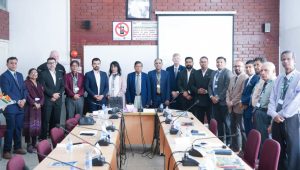
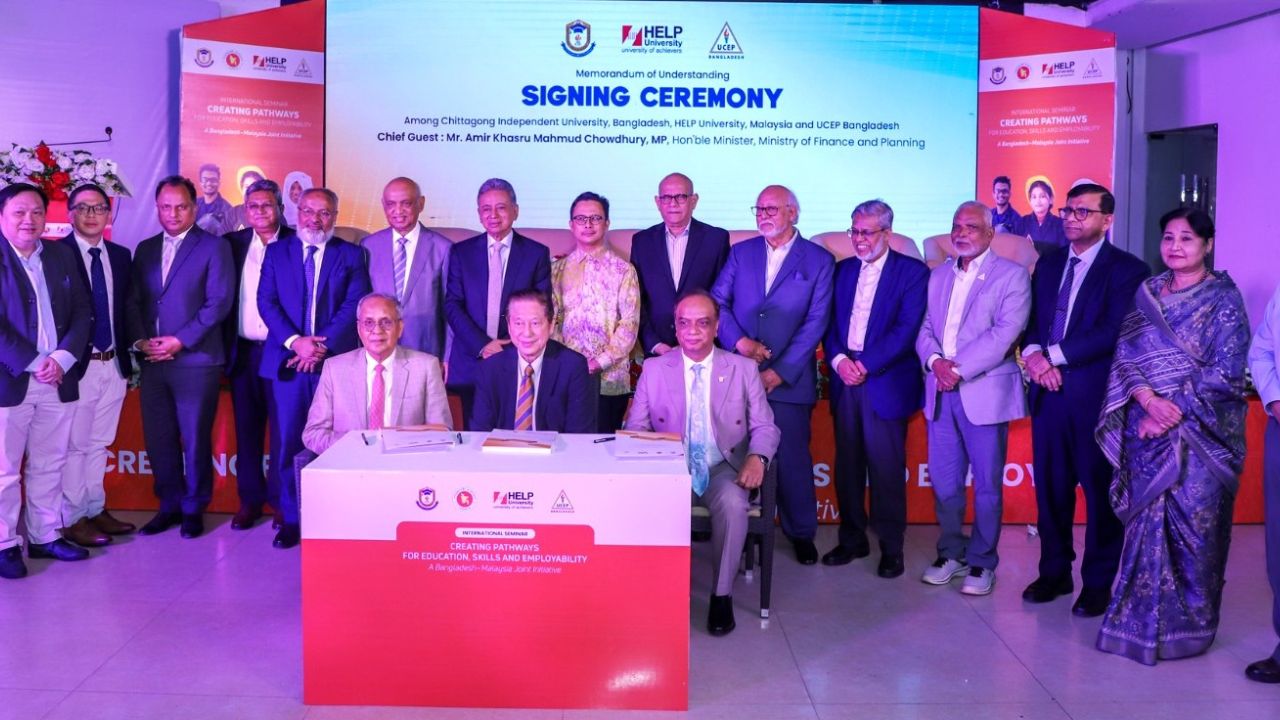
A key part of the concluding session was the signing of a memorandum of understanding among Chittagong Independent University, HELP University and UCEP Bangladesh.
Under the agreement, the three institutions will work together to establish a pilot skills and employability platform and promote the implementation of APEL-Q, APEL-C, Recognition of Prior Learning, micro-credentials and modular certification.
The institutions will also support skills certification and employability for different groups of learners, develop certification pathways linked to industry and explore artificial intelligence-enabled platforms for learning, certification and workforce development.
The long-term objective is to develop a scalable model that could contribute to a future National Skills, Recognition and Employability Platform for Bangladesh.
Lutfe M Ayub delivered the closing remarks.
The seminar provided a platform for discussions on strengthening cooperation among higher education institutions, industry and government, equipping graduates with future-ready skills and developing joint strategies to address the opportunities and challenges created by artificial intelligence, emerging technologies and the changing global labour market.