


After more than one and a half years, an elected political government began its journey in Bangladesh on Tuesday.
The newly elected Members of Parliament (MPs) took oath at the Jatiya Sangsad Bhaban in the morning. Later, the swearing-in of the new government took place in the afternoon.
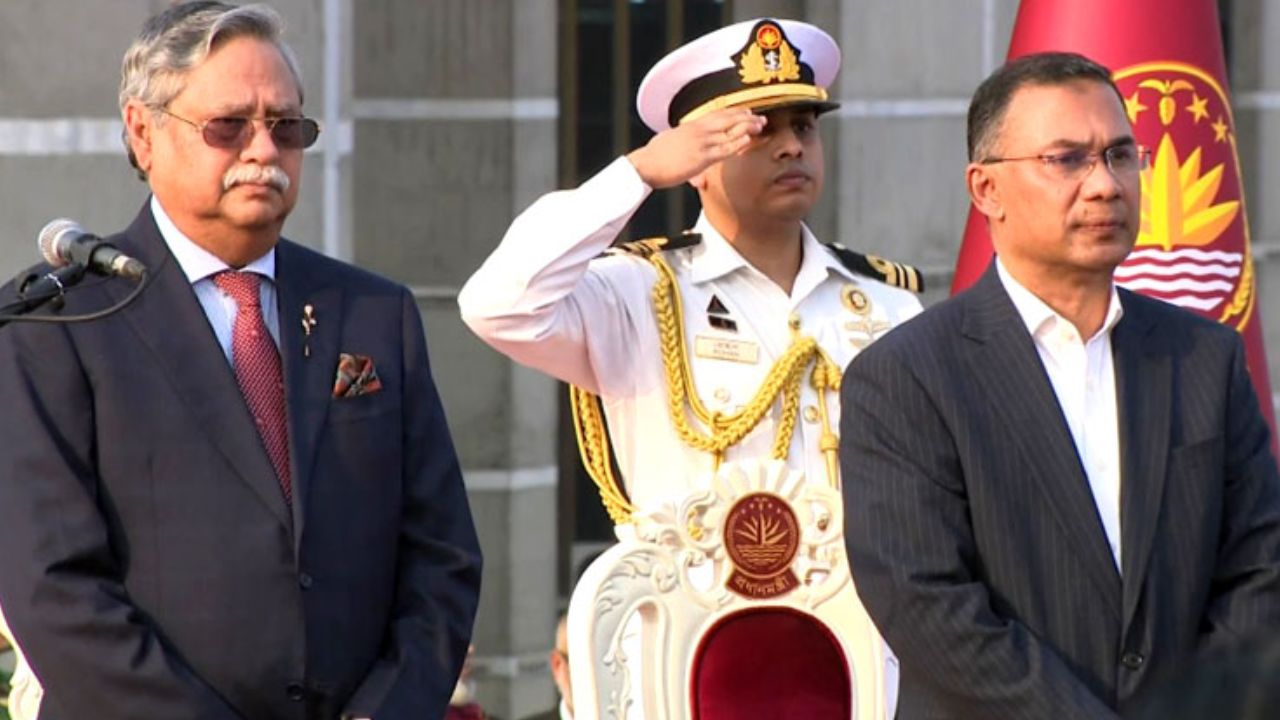
The BNP-led alliance secured a two-thirds majority in the 13th parliamentary election on 12 February. BNP Chairman Tarique Rahman took oath as the new prime minister around 4pm on Tuesday, with President Mohammed Shahabuddin administering the oath.
At the same ceremony, the president also administered the swearing-in of the new cabinet.
This time, instead of Bangabhaban, the oath-taking ceremony of the prime minister and cabinet members was held at the Jatiya Sangsad Bhaban.
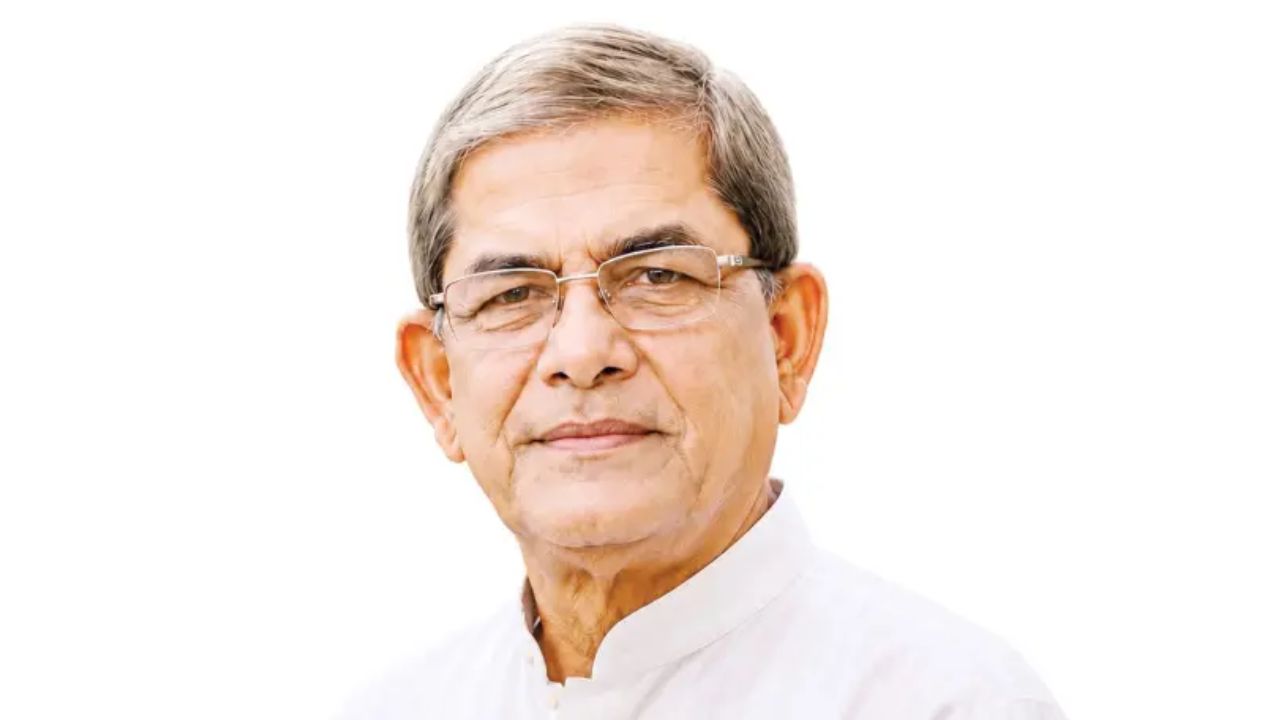
From 2001 to 2006, the BNP was in government, and after 20 years the party has returned to power by winning the national election. The BNP cabinet now consists of 49 members — 25 ministers and 24 state ministers, including three technocrats.

This cabinet includes many new faces who have never before served as ministers or state ministers. Some leaders have secured a place in the cabinet immediately after being elected for the first time.
Of the 25 ministers, 17 are newcomers, while all 24 state ministers are new. Prime Minister Tarique Rahman himself is also joining the cabinet for the first time.
The nation participated in a free, fair election on 12 February, 2026, for what Bangladesh was waiting for almost 20 years.




The people of Bangladesh had been dreaming of such competitive festive elections for long. Their dream finally came true in the second week of this month and they got a true elected prime minister indeed. Tarique has been the first elected premier by populist votes since 2008.
Tarique has long been a central figure in Bangladesh’s political discourse. His elevation to the premiership is seen by many within BNP as the continuation of a political legacy blended with promises of reform and modernization.