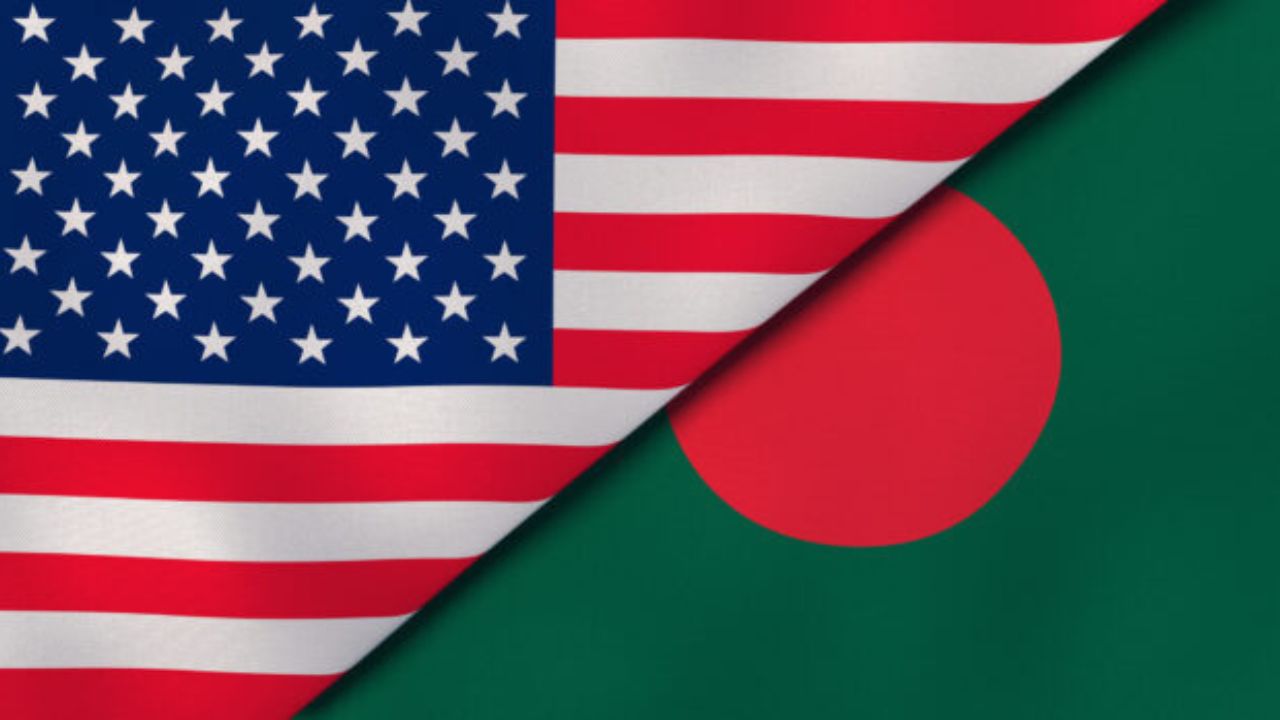



United States President Donald Trump has imposed new double-digit tariffs on dozens of trading partners, including Bangladesh, as temporary levies expired on Friday.
The US administration has slapped levies ranging from 10 to 12.5 per cent on imports from 60 countries and economies, which together account for 99 per cent of all US imports.
The move follows accusations that these nations have inadequately enforced bans on goods produced by forced labour. Jamieson Greer, the US trade representative, stated on Thursday that while the United States has rigorously enforced a forced labour import ban for nearly a century, it is “well past time” for trading partners to follow suit, reports Al Jazeera.
Greer added that the action is intended to correct human rights abuses and distortive trade practices while improving worker welfare globally.

The new tariffs came into effect at 12:01am on Friday in Washington, DC (04:01 GMT), immediately following the expiry of temporary 10 per cent worldwide levies. President Trump had previously turned to those temporary measures after the Supreme Court struck down his broader tariff plan in February.
Legal framework and hit to trade
To implement these durable tariffs, the Trump administration is invoking Section 301 of the Trade Act of 1974. This provision allows the president to impose import taxes and sanctions against countries deemed to engage in “unjustifiable”, “unreasonable”, or “discriminatory” trade practices.

The administration previously attempted to use the 1977 International Emergency Economic Powers Act (IEEPA) to impose tariffs, arguing that the US trade deficit constituted a national emergency.
However, the Supreme Court ruled that the IEEPA did not authorise such tariffs, forcing the government to pay refunds to importers. Following this, Trump utilised Section 122 of Trade Act of 1974 for a 150-day period, which ended on Friday.
John Diamond, director of Center for Tax and Budget Policy at the Baker Institute, told Al Jazeera that the administration sought new authority to replace the expiring taxes.
While Diamond expressed scepticism that 60 major trading partners are truly relying on significant forced labour, he noted that courts are unlikely to overrule Section 301 tariffs as they did the IEEPA levies.
Bangladesh among nations facing 10 per cent levy
The specific tariff rate applied depends on a country’s domestic legal framework. Nations that possess laws against the import of products made with forced labour including Bangladesh, India, Pakistan, and Argentina have been hit with a 10 per cent tariff.
Conversely, nations and economies without such laws, such as the United Kingdom, China, and the European Union, have been slapped with a higher 12.5 per cent tariff. Other affected countries include Japan, South Korea, Canada, Mexico, Saudi Arabia, and Russia.
The trade outlook remains volatile as the Trade Representative’s office has launched a separate probe into whether 16 countries, accounting for 70 per cent of US imports, have overproduced goods.
This investigation aims to determine if such practices have artificially lowered prices and disadvantaged US companies. Additional tariffs under Section 301 are considered likely once this investigation is complete.