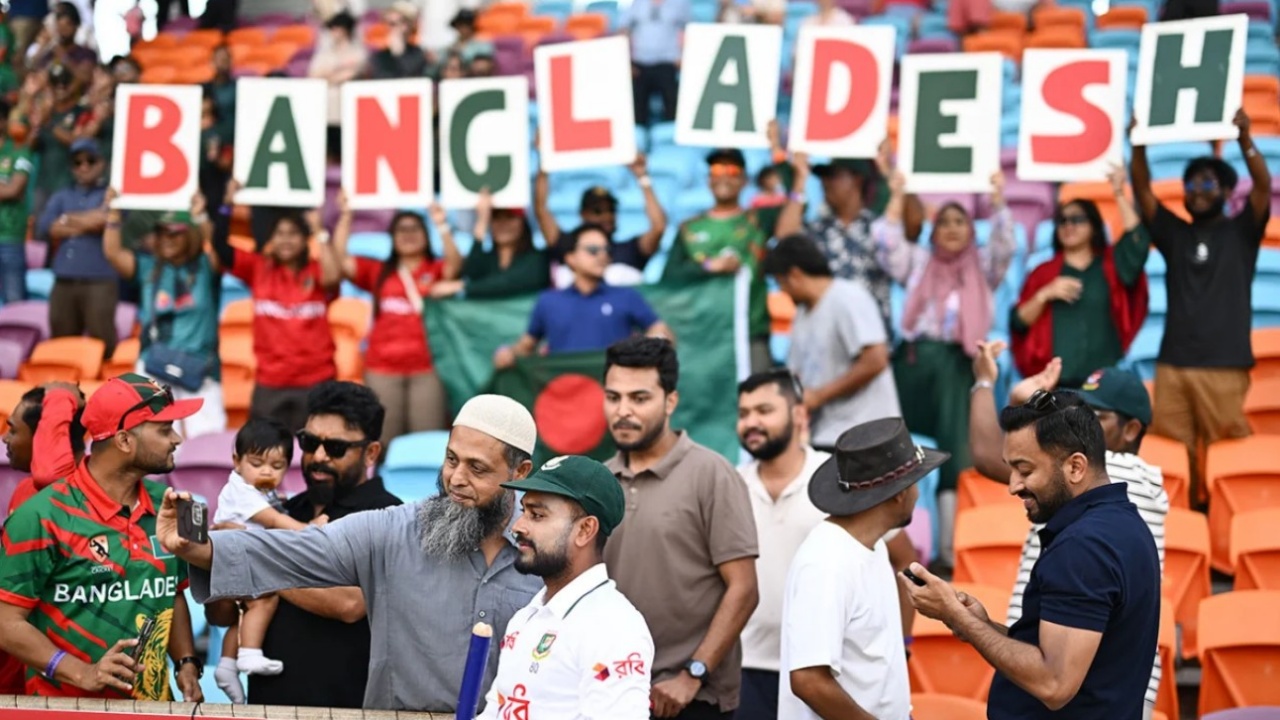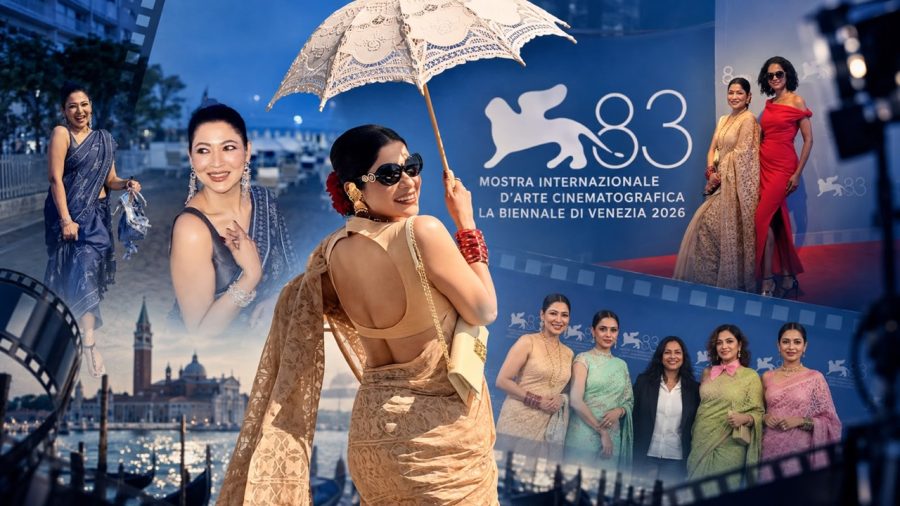

In Venice, Bangladesh should have been talking about cinema. Instead, the country is talking about an actress harassed by fellow Bangladeshis. The Difficult Bride, directed by Rubaiyat Hossain, was selected for the Orizzonti competition at the 83rd Venice International Film Festival, becoming the first Bangladeshi feature to compete at Venice. In Mestre, Azmeri Haque Badhon was allegedly surrounded by Bangladeshis who threw water, soft drinks and eggs at her, knocked her phone from her hand and tried to make her chant “Joy Bangla, Joy Bangabandhu” in front of her family and a child.
To me, as a filmmaker, the contrast between those two events is deeply troubling. A film reaching Venice represents more than a production. It carries a nation’s cultural imagination and confidence. Bangladesh had an opportunity to open a wider conversation about its cinema. Instead, political hostility created another image alongside that achievement. People may disagree with Badhon’s politics, but disagreement does not justify humiliation or coercion. My concern is simple: a democratic society must be able to protect people whose views we do not share.
The Venice incident was not the first time political conflict involving Bangladeshis had appeared abroad. In 2024, Asif Nazrul was aggressively surrounded at Geneva airport. In 2025, Mahfuj Alam faced egg throwing in New York and London, Akhter Hossen had eggs thrown at him in New York, and Tasnim Jara faced sexist abuse. Days later, police arrested a BNP activist over the alleged assault of a banned Chhatra League leader outside UN headquarters.
I see these incidents as part of the same broader pattern. The political identity of the victim and the attacker may change, but the method remains similar. Political conflict from Bangladesh is repeatedly being carried into foreign public spaces.

There are comparable examples at home. Rahul Ananda’s house was attacked and burned, destroying thousands of musical instruments. Rokeya Prachy was beaten with sticks at Dhanmondi 32. Journalist Munni Saha was surrounded by a crowd until police intervened. Film producer Selim Khan and his actor son Shanto Khan were beaten to death by a mob. Actor Siddiqur Rahman was attacked and handed to police.
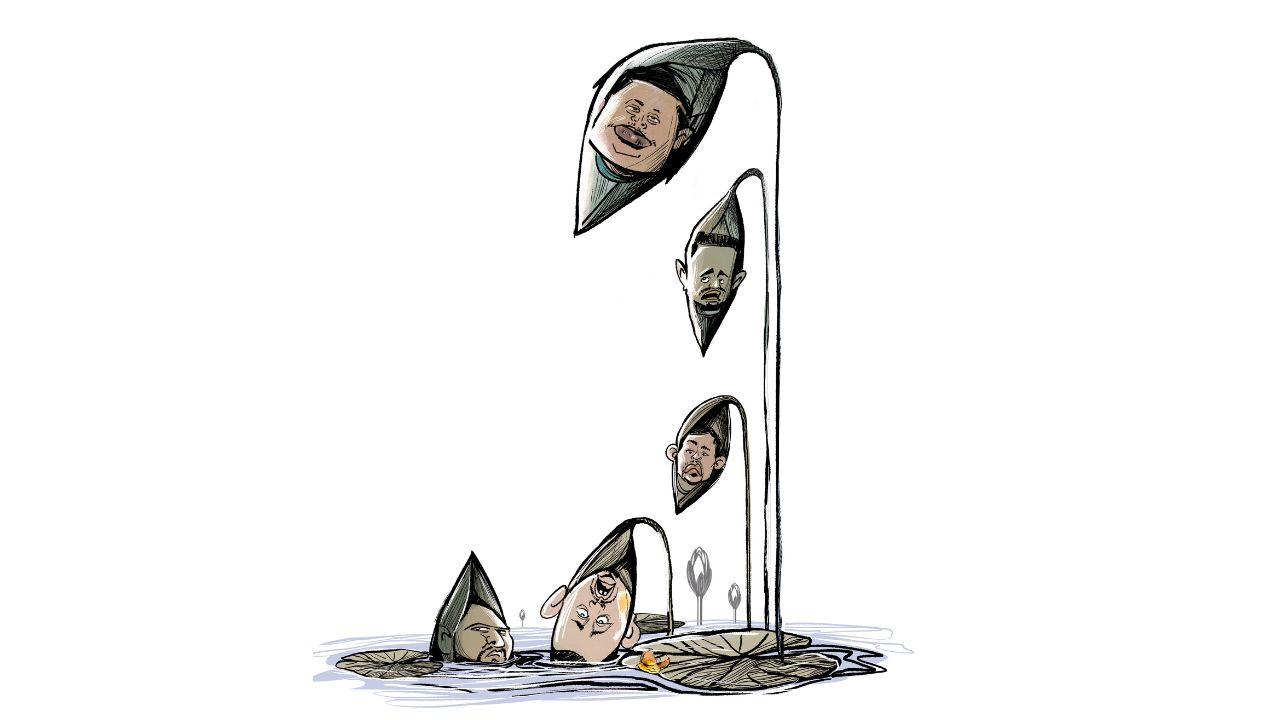
These people did not share the same politics, and that is precisely why the principle matters. In my view, mob behaviour cannot become acceptable because we dislike the person being targeted. Mob behaviour does not belong to one party. Its politics may change, but its method does not. A group gathers, claims moral authority through numbers, and begins to decide who may speak, sing, perform, worship, or even which slogan another person must say. When people on our side do it, we may call it “public anger.” When the other side does the same, we call it mob violence. The action remains the same.
Ain o Salish Kendra says mob violence killed 128 people in 2024 and 197 in 2025. Those numbers do not include artists and organisers silenced by fear. Nityapuran was stopped at the National Theatre under crowd pressure. Between August 2024 and the end of 2025, 97 shrines were attacked, leaving three dead and 468 injured, while only 11 cases were filed. A Baul gathering in Sylhet was attacked, and a Kishoreganj concert was cancelled after warnings from “Tawhidi Janata”.



What I take from these incidents is that intimidation is becoming an unofficial form of control. The problem becomes more serious when the state gives way. When an event is cancelled “for security reasons,” the factual question is whether the authorities were able to protect the lawful event. My concern is that if threats repeatedly lead to cancellation, society learns that fear works. A mob then becomes stronger because it expects no consequences.
The scenes at Gonobhaban on 5 August 2024 continue to affect me for the same reason. Mob violence did not begin that day, but the looting marked a symbolic turning point. Alongside the celebration over the fall of an authoritarian government, state property was taken as part of the victory. In my Times of Bangladesh article, “Mob Violence: The Rotten Fruit of Gonobhaban’s Looting,” I argued that the deeper danger lay in breaking a moral boundary. My question then, as now, was whether the law becomes optional when enough people come together. When that boundary blurs, a crowd can begin to believe it has the right to replace the law.
Parts of Badhon’s livestream have since drawn discussion and trolling on social media. She was distressed, and that context matters. She referred to the politics of Rubaiyat Hossain’s late father and mentioned that Sajeeb Wazed Joy was in Venice. Those are factual elements of what she said. My observation is that neither point is central to the incident itself. Rubaiyat reached Venice through her own work, while Joy’s presence is irrelevant to Badhon’s right to safety. These points may be debated separately, but they do not justify harassment.
The wider loss is cultural. The international film world is small and closely connected. Programmers, producers, critics and filmmakers know one another across festivals. Rubaiyat reached Venice with her fourth feature, building her career film by film. Independent filmmakers in Bangladesh continue to work with weak infrastructure, limited distribution, little public support and few sustainable paths to international audiences.
That context is why I believe the discussion around The Difficult Bride should have been about how Bangladeshi cinema is finding international space despite those limits. Instead, the film is now also being discussed in the shadow of Badhon’s harassment.
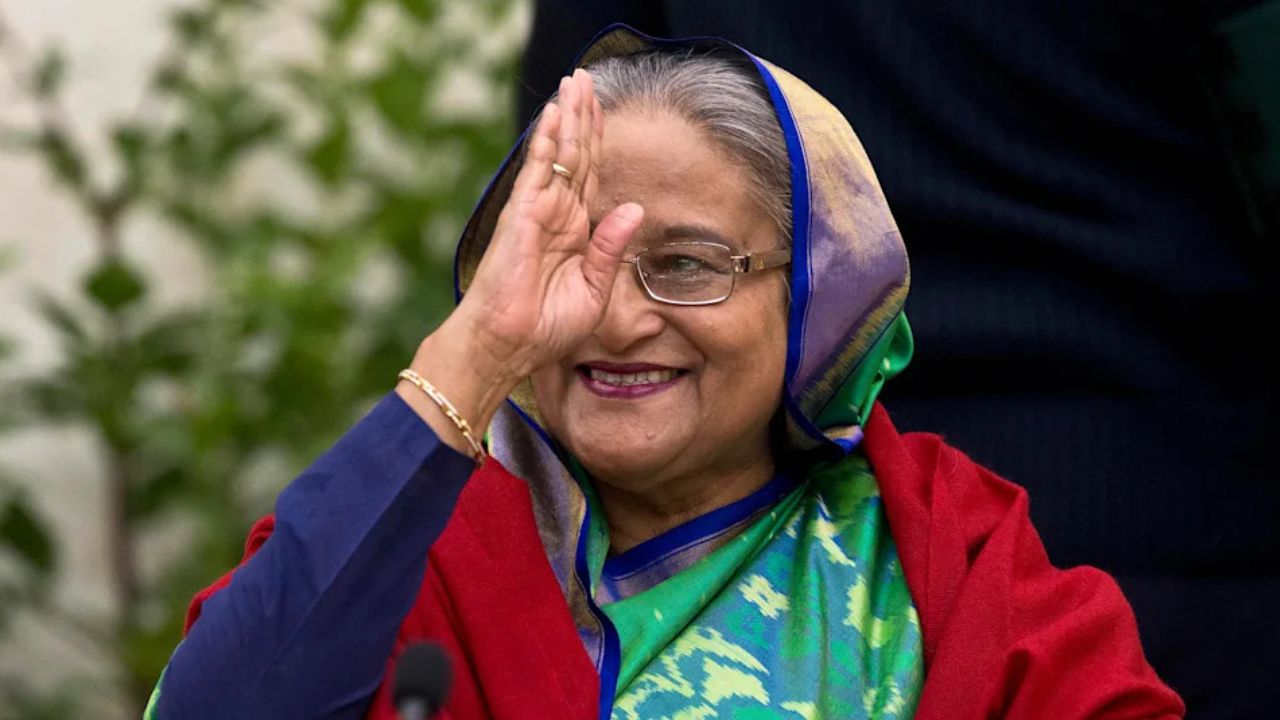
State Minister for Foreign Affairs Humaiun Kobir told parliament that an attack on a July fighter is an attack on the democratic system and said the government would provide consular assistance to Badhon. That support is welcome. My position is that the same principle must apply equally. Any Bangladeshi targeted abroad for political reasons should receive the same protection, regardless of political identity.
This is where I see the double standard most clearly. If a mob attacks someone we support, we call it an attack on democracy. If it attacks someone we dislike, we often reach for softer words such as “public anger,” “protest,” or “the people’s reaction.” The action does not change. Only the victim’s political identity does. Whether people call themselves “Tawhidi Janata,” “July fighters,” “soldiers of Bangabandhu,” or supporters of any political party, no identity should give them authority over another citizen’s body, voice or cultural freedom.
For Bangladesh, competing at Venice with a feature film is historic. Badhon’s complaint in Italy should be investigated, the Bangladesh mission should assist, and those threatening lawful cultural events at home should face the law. My hope is that our films travel carrying the best of Bangladesh: its stories, imagination, culture and people. Let our cinema go around the world, not our mob culture.
Writer : Abu Shahed Emon (Filmmaker)