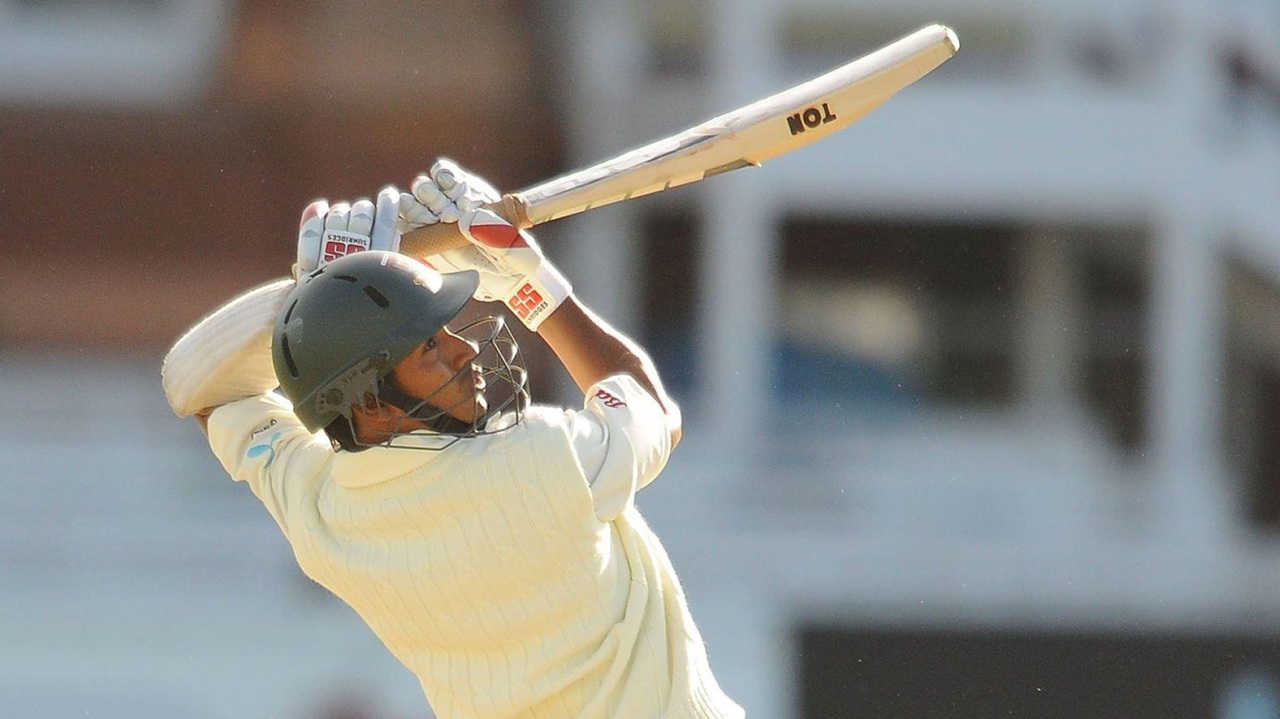



Sport is full of what-if stories, careers that promised greatness before injuries, poor decisions or circumstances changed everything. For Bangladesh cricket, few stories fit that description better than Mohammad Ashraful.
Ashraful was expected to become the player who would define Bangladesh’s first generation as a Test nation. He produced some of the most memorable innings in the country’s history and played a major role in changing how Bangladesh was viewed internationally.
Yet his career eventually became one of cricket’s most painful cautionary tales.
The boy who made Bangladesh believe
Bangladesh became a Test nation in 2000, marking a historic moment for the country. But Test cricket quickly exposed the gap between Bangladesh and the established powers.
Heavy defeats against teams such as Australia, India, Pakistan and Sri Lanka became common. Questions were raised over whether Bangladesh had been granted Test status too soon, while supporters waited for a player who could offer a glimpse of a better future.
That player arrived as a fearless teenager.
Ashraful made his Test debut against Sri Lanka in September 2001 and immediately announced himself with a century. His 114 made him the youngest player to score a Test hundred at the time.
It was more than an impressive debut.
For Bangladesh supporters, it was proof that the country could produce a player capable of competing with the best in the world. Ashraful quickly became the face of a young cricket nation.
The talent that stunned the world
Ashraful’s greatest quality was his natural freedom with the bat.
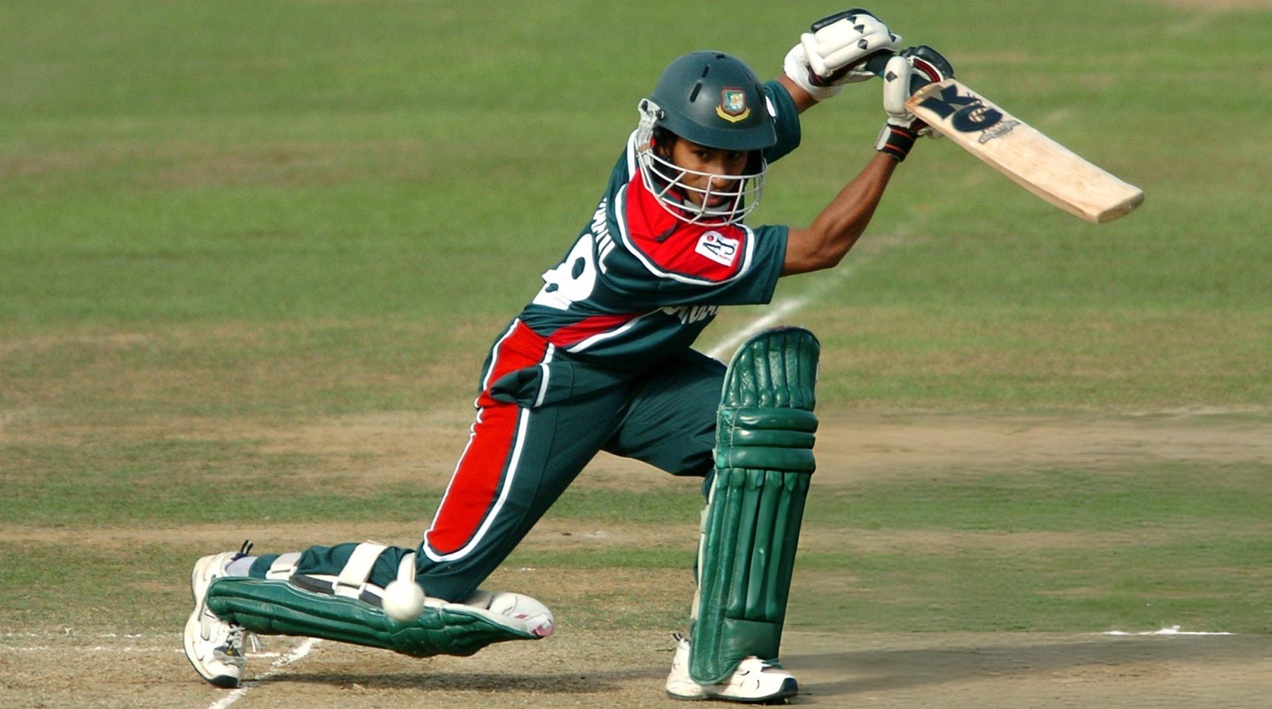
He was never a player who built his reputation around occupying the crease for long periods. Instead, he relied on timing, imagination and an attacking instinct that allowed him to play shots few others would attempt.
That made him hugely entertaining, but it also contributed to his inconsistency.
His most famous performance came in Cardiff in 2005.
Australia arrived for the NatWest Series as the dominant force in world cricket. Ricky Ponting’s team featured players such as Adam Gilchrist, Matthew Hayden and Glenn McGrath, while Bangladesh had never previously beaten Australia in an ODI.
Few expected an upset.
Ashraful had different plans.
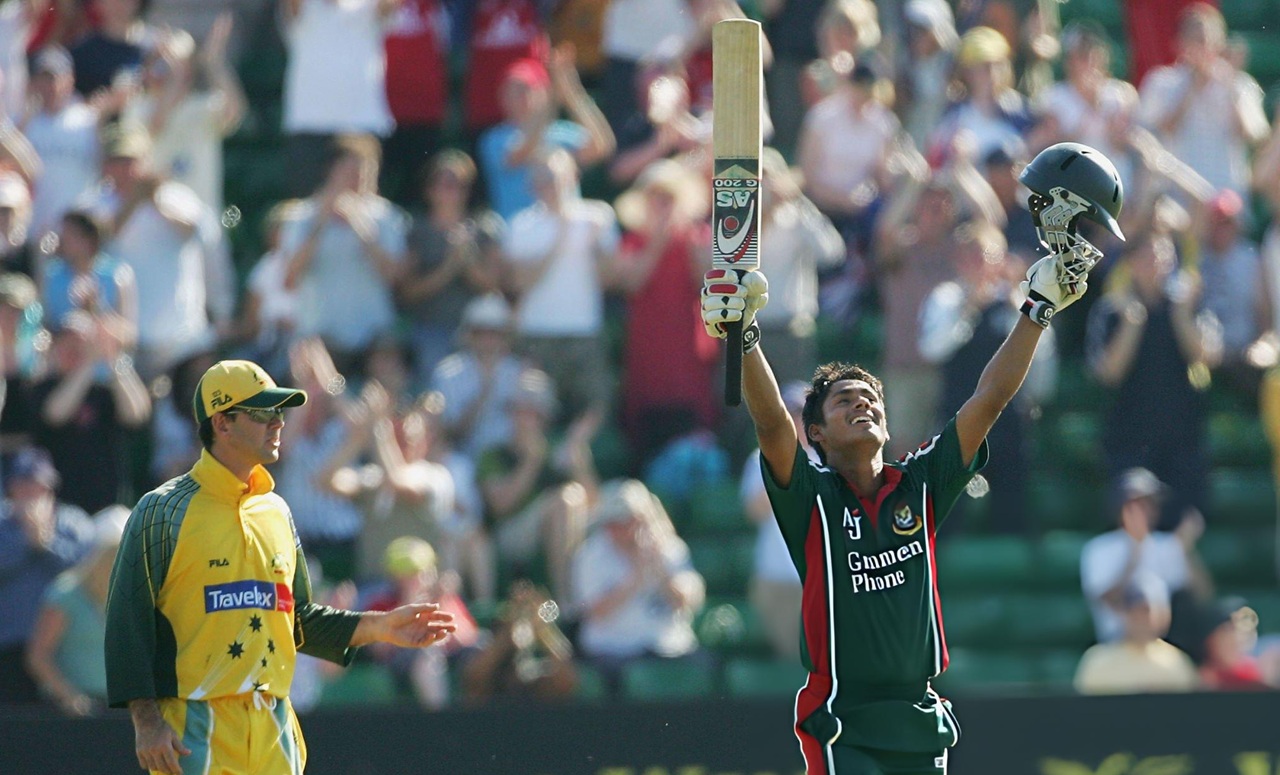
The 20-year-old struck a magnificent century as Bangladesh chased down 250 to defeat Australia by five wickets, producing one of the biggest upsets in ODI cricket at the time.
Fox Cricket has since looked back on the Cardiff defeat as one of Australia’s most embarrassing one-day losses, highlighting Ashraful’s century as the defining performance of the match.
Bangladesh coach Dav Whatmore also refused to put the result down simply to an Australian off day.
“Australia didn’t play that badly,” Whatmore said.
“It’s just that the Bangladesh team – on that particular day – played better cricket.”

The result, Whatmore believed, would force people to reconsider their view of Bangladesh.
“We’ve beaten the No. 1 team in the world, and that will make a lot of people think twice,” he said.
Ashraful’s Cardiff century was only part of an extraordinary run of performances.
He followed it with 94 from just 52 balls against England at Trent Bridge before scoring 58 of Bangladesh’s 139 against Australia at Old Trafford.
For a period, the young Bangladeshi was among the most exciting batters in international cricket.
Even Ponting took notice.
After watching Ashraful’s attacking approach, Ponting described his innings against England as “an unbelievable knock”, while questioning whether such an aggressive style could succeed consistently at international level.
“I think he’s riding his luck a lot at the moment to tell the truth,” Ponting said.
“The longer you stay in international cricket you work out that that just doesn’t work for you, you have to be a bit more selective than that.”
Bangladesh captain Habibul Bashar understood the dilemma.
“He’s capable of playing all the shots,” Bashar said.
“I’m trying to stop him, but he’s been playing well so there’s no point telling him not to play those shots as long as he becomes successful.”
Those words captured the contradiction that would follow Ashraful throughout his career.
The same freedom that allowed him to destroy the world’s best attacks also made it difficult for him to produce consistent performances over long periods.
But in 2005, Bangladesh had something it had been waiting for.




It had a young player capable of making the world take notice.
Cardiff was not simply about one century. It was about belief.
For the first time, Bangladesh had beaten the world’s dominant cricket team on one of the biggest stages available to them. Ashraful was at the centre of that moment.
The weight of a nation’s expectations
As Bangladesh developed, expectations around Ashraful grew.
He was handed the national captaincy before turning 25, with selectors hoping the teenager who had inspired supporters could now lead the team into a new era.
But the biggest question remained unanswered.
Could Ashraful turn his extraordinary talent into consistent performances?
The answer never arrived.
He could score a brilliant century against a top side and then struggle for runs for an extended period. One spectacular innings would raise expectations again, only for another lean spell to follow.
Supporters repeatedly wondered when he would finally fulfil his enormous potential.
His career statistics ultimately fell well short of those expectations. Ashraful averaged just over 24 in Tests and a little over 22 in ODIs, modest returns for a player capable of producing innings that could change matches almost single-handedly.
Ashraful later reflected on his development and admitted he believed Bangladesh’s coaching system had not prepared him properly for the demands of international batting.
“I played at every level – A team, U-19, national team,” Ashraful said.
“But I hardly got a chance to sit back and understand what my mistakes were. They thought maybe I will learn by playing more, but now I feel it was the other way that could have helped me.”
He also felt his training had focused too heavily on technique.
“I never learned how to score runs, which the likes of Shakib [Al Hasan] and Nasir [Hossain] did from the nets,” he said.
“They have better game sense, picking the gaps. They do that simulation in the nets and have been doing it since their early days.
“When I trained, it was about technique, not finding gaps and scoring runs. I could score big hundreds but I never had the training to score runs every day.”
It was a revealing explanation of Ashraful’s career.
He possessed the talent to produce innings that few Bangladesh players of his generation could match. What he lacked was the consistency needed to turn that talent into sustained success.
His statistics therefore never told the whole story.
Ashraful’s averages were disappointing compared with the expectations placed on him, but they could not erase the impact of the moments that made him one of the most influential players of Bangladesh’s early international era.
The decision that changed everything
In 2013, Ashraful’s career took a devastating turn.
The Bangladesh Premier League was engulfed by a corruption scandal, with investigators uncovering allegations of spot-fixing involving players and officials.
Ashraful was among those investigated.
He admitted his involvement and publicly apologised, accepting responsibility for his actions.
The Bangladesh Cricket Board initially handed him an eight-year ban. An appeal later reduced the punishment to five years, including a two-year suspended sentence, allowing him to return to competitive cricket in 2016 under certain conditions.
By then, however, his international career was effectively finished.
The scandal changed the way Ashraful was viewed. The player once regarded as Bangladesh’s great hope had become the centre of one of the darkest episodes in the country’s cricket history.
The personal consequences were equally severe.
Ashraful later described the period as the “worst time” of his life.
“That was the worst time of my life when I accepted my fault of being involved in the match-fixing scandal,” Ashraful said.
“I can still remember how devastated and upset I was. By then everyone came to know that I am an offender, everyone came to know that I have done something that was not expected from me.
“After this incident, everyone, who was close to me, started to go away. I was left alone and stranded.”
He said he was “clueless about how to live the next part of life” and struggled to understand how he could rebuild his life after the scandal.
The experience became so overwhelming that Ashraful later revealed he had contemplated taking his own life.
He eventually travelled to Saudi Arabia to perform Hajj, describing the experience as an important step in finding peace and confronting the mistakes that had changed his career.
For many Bangladesh supporters, the scandal represented more than the downfall of one cricketer.
It marked the collapse of a dream.
The teenager who had been expected to become Bangladesh’s first global cricket superstar would never get the chance to complete that journey.
The comeback that never arrived
Ashraful returned to domestic cricket after serving his suspension and continued to hope for another opportunity with Bangladesh.
It never came.
By the time he was eligible to return, Bangladesh cricket had moved into a different era.
Shakib Al Hasan had established himself as one of the world’s leading all-rounders. Tamim Iqbal had become one of Bangladesh’s most prolific batters, while Mushfiqur Rahim and Mahmudullah had developed into senior figures in an increasingly competitive side.
Bangladesh was becoming the team its supporters had dreamed about when Ashraful first emerged.
The irony was that it achieved much of that progress without the player many had expected to lead the transformation.
Bangladesh cricket’s greatest ‘what if?’
Mohammad Ashraful remains one of the most naturally gifted cricketers Bangladesh has produced.
His career contained remarkable highs and painful lows. The statistics suggest an underachieving international career, but they do not fully explain his importance to Bangladesh cricket.
His debut Test century gave supporters a reason to believe.
His Cardiff hundred showed the world that Bangladesh could defeat the best.
His fearless strokeplay made him one of the most exciting young players in international cricket.
And his involvement in the 2013 corruption scandal ultimately brought an abrupt end to his international career.
Ashraful’s story is therefore not simply about a talented player who failed to fulfil his potential. It is about a cricketer who helped change the perception of an entire nation before his own career unravelled.
Bangladesh eventually became a stronger cricketing country, producing players capable of competing regularly with the world’s best.
But Ashraful was not the player who took them there.
That is what makes his career perhaps the greatest what-if story in Bangladesh cricket.
What if he had found consistency?
What if his development had been different?
What if the events of 2013 had never happened?
There is no answer.
There is only the career that was, and the extraordinary career that many believed Mohammad Ashraful could have had.