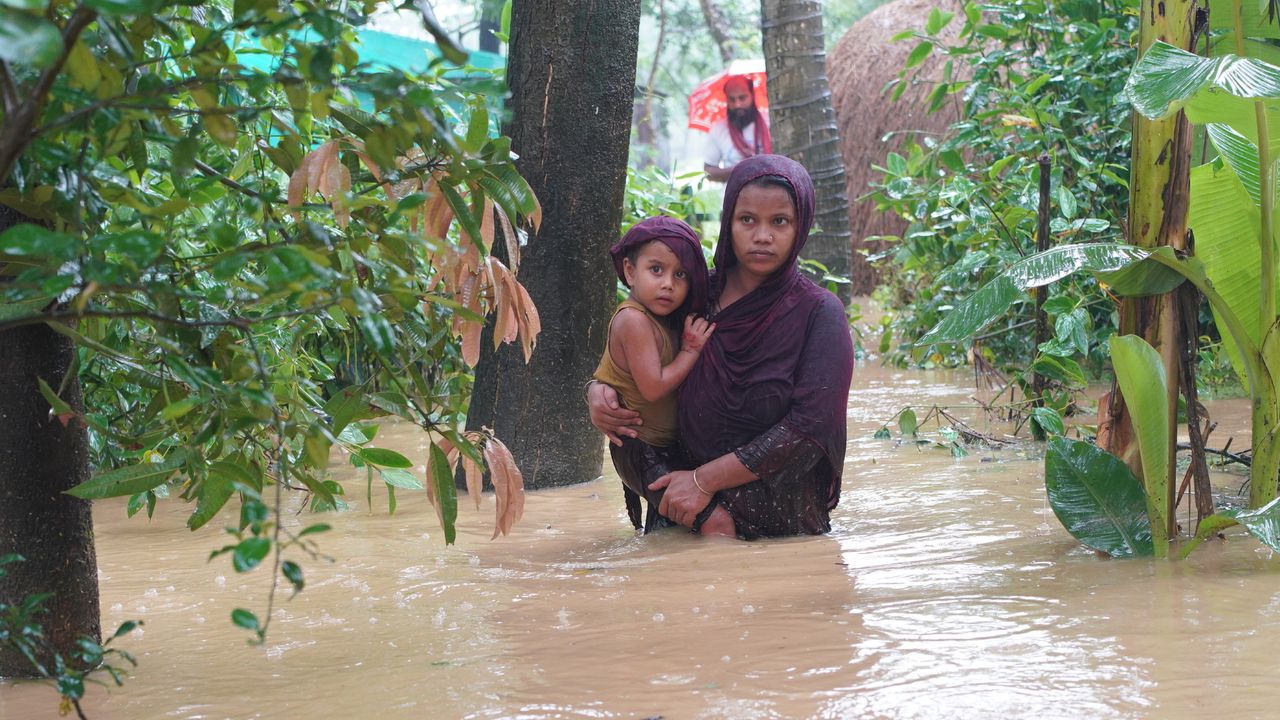

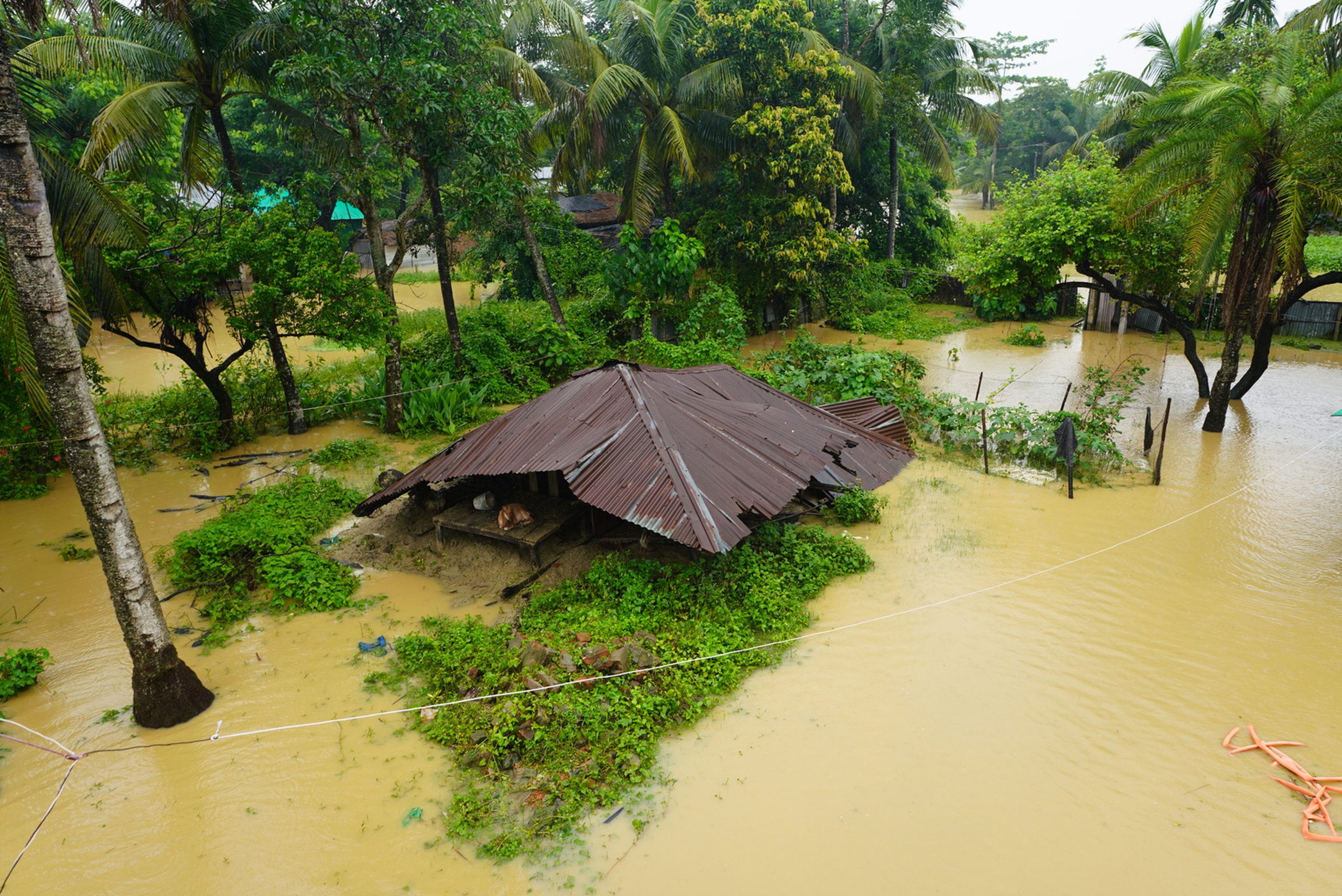
A devastating picture of government rehabilitation efforts has emerged following the recent catastrophic floods in the Chittagong, Cox’s Bazar, and the three Hill Tracts districts, leaving the majority of affected farmers to fend for themselves.
Data from the Department of Agricultural Extension (DAE), Chittagong region, reveals a significant gap in relief distribution, showing that out of 177,014 farmers directly affected across the five districts, only 54,574 have received government assistance.
This indicates that for every 100 farmers impacted, approximately 31 received aid, while the remaining 69% are struggling to recover without any official support.
Staggering financial losses and crop destruction
According to agricultural officials, 150,380 farmers in Chittagong and Cox’s Bazar and 26,634 farmers in Rangamati, Khagrachhari, and Bandarban have suffered losses.
The total financial damage to crops is estimated at Tk 401.92 crore, with Tk 309.17 crore lost in Chittagong and Cox’s Bazar, and Tk 92.75 crore in the three hill districts.

The scale of land damage is equally alarming as 19,249 hectares of the 61,048 hectares of cultivated land in Chittagong and Cox’s Bazar were completely destroyed, while 2,318 hectares out of 64,222 hectares of cropland in the three hill districts were ruined.
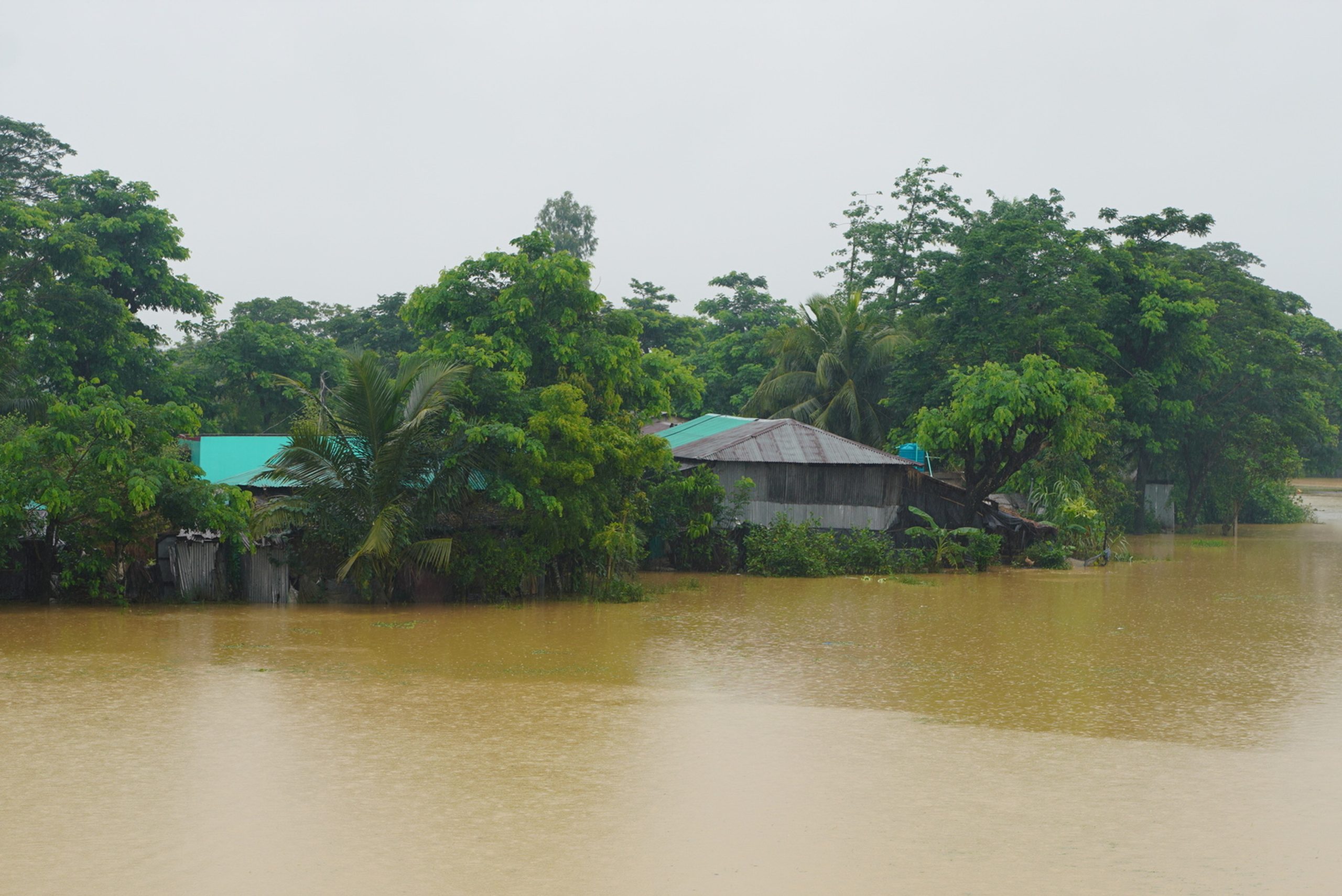
Beyond rice, the destruction of cash crops has dealt a severe blow to farmers’ livelihoods as 40 hectares of ginger, 28 hectares of turmeric, and 244 hectares of betel leaf plantations were lost in Chittagong and Cox’s Bazar.



The situation is particularly dire in the hill tracts, where 135 hectares of fruit orchards, 85 hectares of ginger, 72 hectares of turmeric, and 40 hectares of papaya cultivation were destroyed.
Regional disparities, inadequate rehabilitation
In Chittagong and Cox’s Bazar, only 44,467 out of 150,380 affected farmers received seeds or seedlings, reflecting a support rate of roughly 29.57%.
Meanwhile, in the three hill districts, only 9,144 out of 26,834 affected farmers were covered by aid programmes, meaning over 66% of farmers in these remote areas remain without assistance.


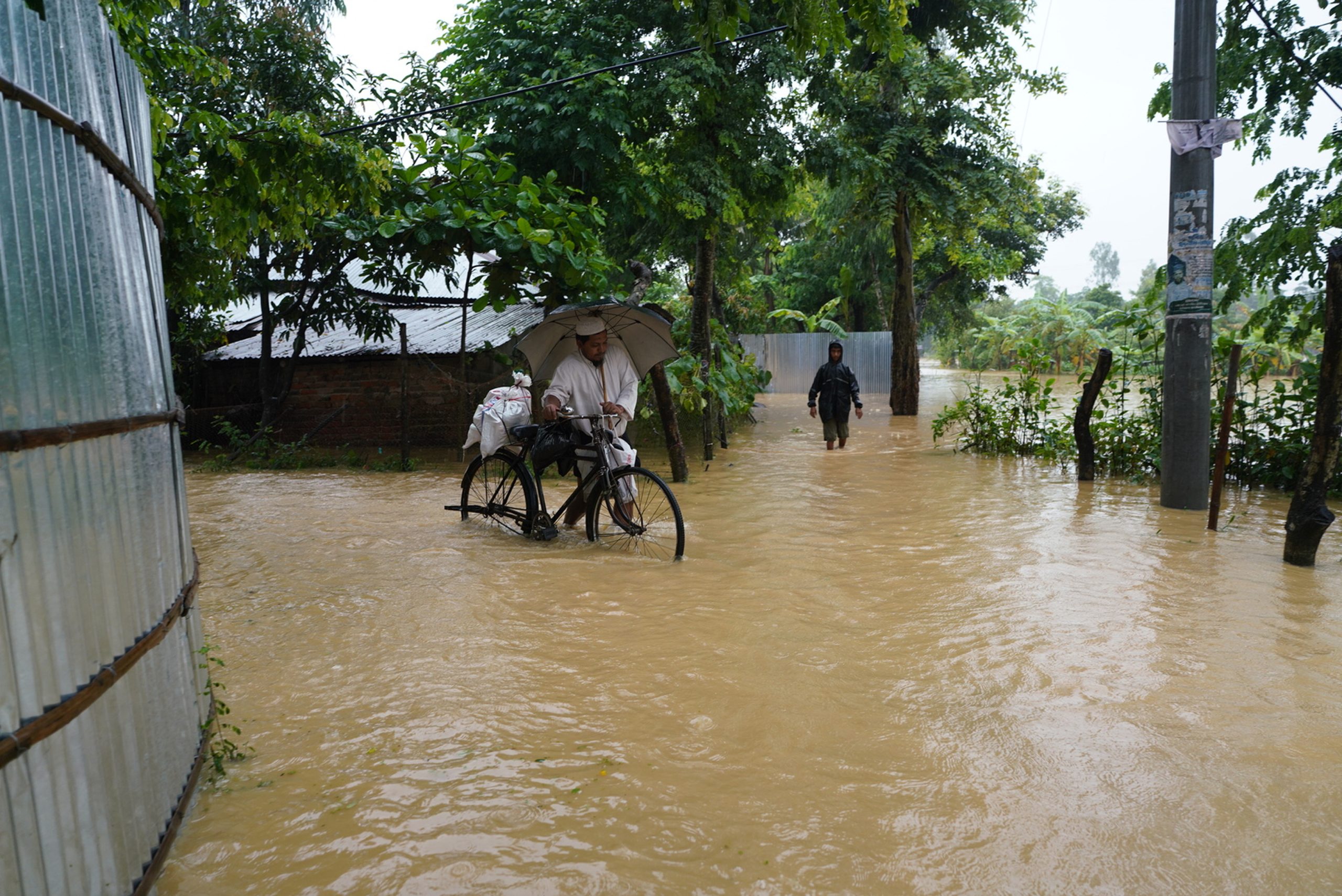
Under the government’s current programme, a total of 268.07 tonnes of high-yield (Ufshi) Ropa Aman seeds have been distributed among 53,614 farmers, while 5.12 tonnes of rice seedlings were prepared for just 960 farmers.
These activities are being coordinated through the Hathazari Regional Agricultural Research Centre, Patiya Horticulture Development Centre, and the Naniarchar and Langadu Horticulture Centres in Rangamati.
However, each listed family receives only 5kg of seeds or a corresponding amount of seedlings, which is enough for just one bigha (33 decimals) of land.
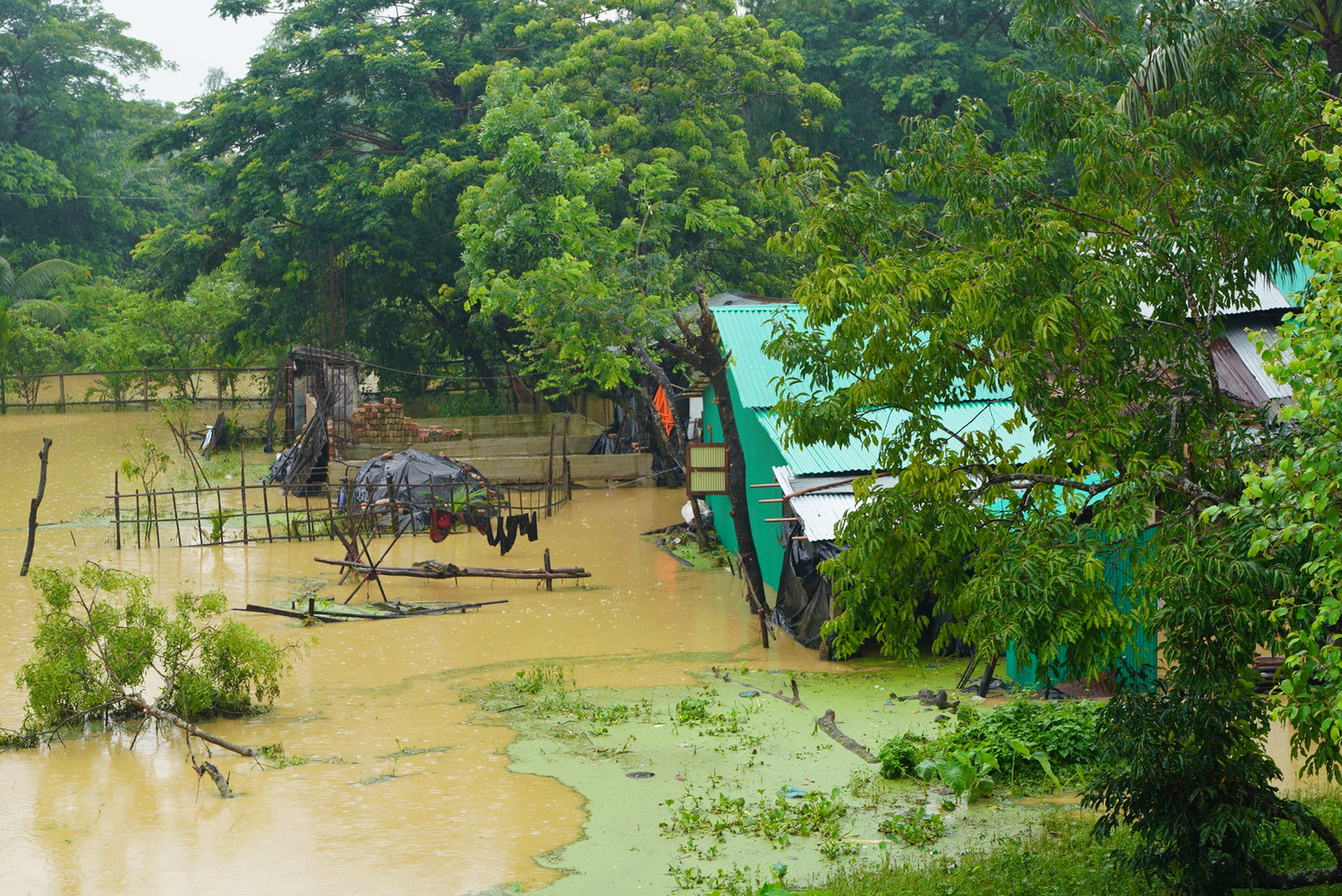
Warnings of long-term poverty and production risks For farmers who have lost multiple bighas, this quantity is entirely inadequate, and 122,440 affected farmers remain completely excluded from the assistance list.
Mohammad Ali Jinnah, Additional Director of the DAE, Chittagong Region, admitted that the level of assistance is grossly inadequate compared to the demand. He warned that with 69% of farmers excluded from government lists, Aman production targets may be at risk.
Furthermore, those who lost fruit orchards, ginger, and turmeric crops face long-term poverty without financial incentives or loan assistance.
Jhum Aush and summer vegetable growers in these areas also face irreparable losses, yet the government rehabilitation packages have shown no specific support for these non-paddy farmers.