Political influence continues to trouble the police force, undermining professionalism through lobbying and partisan directives – an issue that the ongoing reform process must confront.
The law adviser, current and former police chiefs, the TIB chief, and other experts raised the concern at a roundtable on Saturday, saying that meaningful police reform must also address the entrenched bureaucratic and patronage networks that have captured state institutions.
They also called for the formation of an independent police commission to eliminate political interference and ensure the force’s operational independence as guaranteed by law.
“From recruitment and promotion to deciding who will be sacrificed and who will not, everything still operates under political influence,” Transparency International Bangladesh Executive Director Iftekharuzzaman said at the event.
He added that irregular practices such as case trading and arrest-and-bail trading have continued even after the July Uprising of 2024.
The roundtable titled “Bangladesh Police Reform: Challenges and Action Points” was held at the Prothom Alo office in Karwan Bazar, jointly organised by Prothom Alo and the Retired Police Officers Welfare Association.
Law Adviser Asif Nazrul, Inspector General of Police Baharul Alam and former Inspector General Muhammad Nurul Huda joined the discussion along with other stakeholders.

Asif Nazrul said he had recently received phone calls from the two major political parties requesting the transfer of police officials. He urged all parties to abandon such practices.
“BNP and Jamaat must come out of the ‘my people, your people’ culture. The National Citizen Party and the smaller parties must also do the same,” he said.
Calling for an end to political and executive interference, Inspector General of Police Baharul Alam said, “In cases of investigation or arrest, I should not receive any directives.”
“My tenure as IGP since last November has been far from pleasant,” he added. “I began amid immense adversity, and even now I sometimes hear people ask, ‘Is he our man?’”
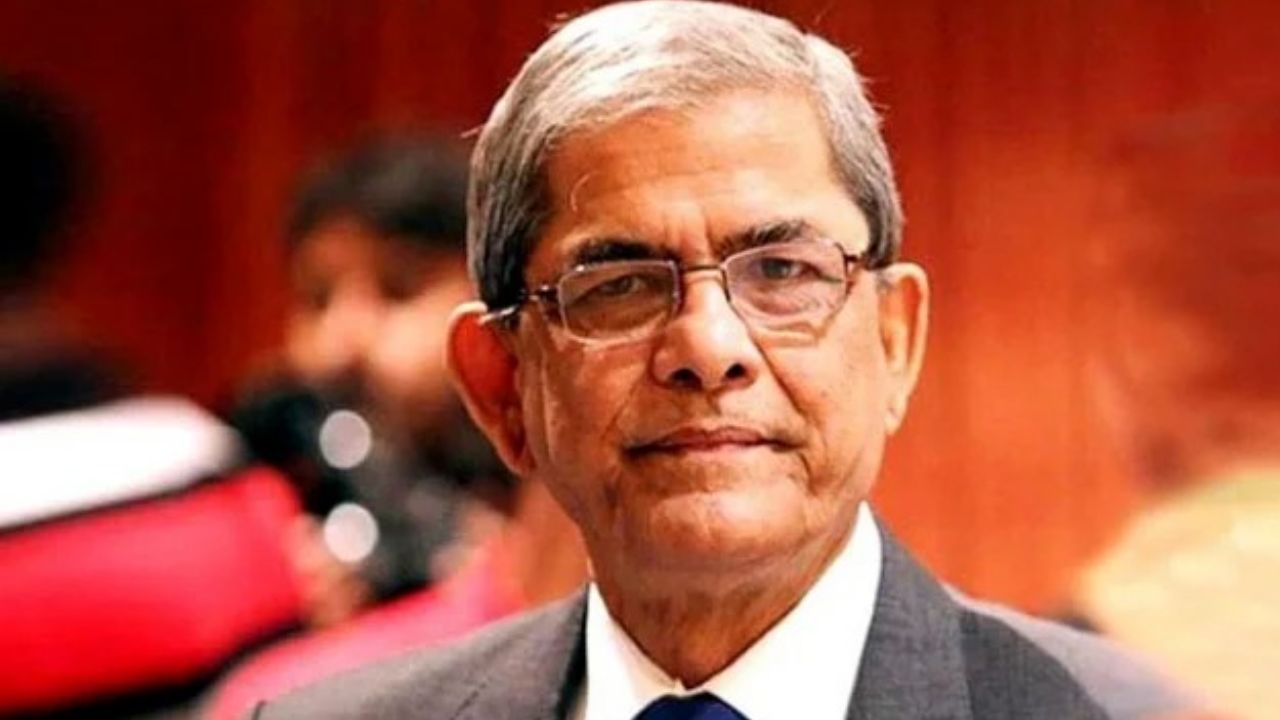

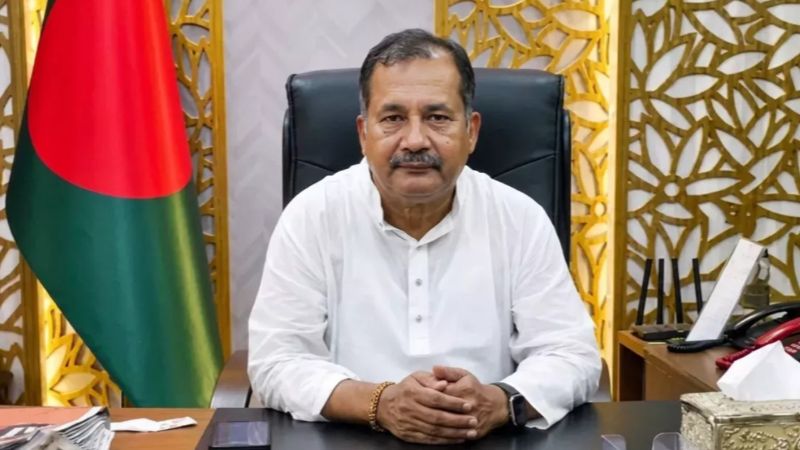

Former IGP Muhammad Nurul Huda said the use of the police force for partisan interests has undermined efforts to build professionalism within the institution.
He noted that in a politically divided society, maintaining law and order becomes increasingly difficult when terms like “Awami police” and “BNP police” are used.
Prothom Alo Editor and Publisher Matiur Rahman said forming an independent police commission free from political influence is crucial for building a people-oriented and accountable police force.
“At different stages of our lives – personal, social and administrative – we seek help from the police. Often, they respond; but sometimes they fail because of structural, political or accountability constraints,” he said.
Officials’ living conditions must improve: Iftekharuzzaman
At the roundtable, Iftekharuzzaman said new police uniforms are expected to be introduced in November, but improving housing and working conditions for officers is far more urgent.
Citing an example from a police barracks in Mirpur, he said there is only one bathroom for 200 personnel, while 20 officers share a 60-square-foot room.
He noted that political influence alone cannot be blamed for the current state of affairs. “The question is, new uniforms are important – but are they more important than the condition of their barracks?” he asked.
He further said the ongoing police reform initiative will not succeed unless reforms are extended to the police intelligence agencies.
Steps taken to prevent police torture: Asif Nazrul
The law adviser said the ministry has amended the Code of Criminal Procedure (CrPC) to require police to notify a detainee’s family within twelve hours of arrest.
He added that the government has introduced measures to prevent police torture of citizens. The law on enforced disappearances has also been revised so that if a person remains unaccounted for within twenty-four hours, it will be treated as a disappearance, he said.
Responding to criticism that the Police Reform Commission lacks authority, Asif Nazrul said power alone does not guarantee the protection of human rights.
He said the “my people, your people” culture within the police force reached an alarming level during the Awami League era.
“All the evils in Bangladesh – disappearances, extrajudicial killings, custodial torture, custodial deaths, fake elections, politicization – began with the first Awami League government in 1973. Others only carried them forward,” he said.
Discussing police torture, he said, “Some carry out torture on orders from the ruling party to fulfil its wishes, while others do it out of greed and a desire for power. The government may demand a certain level of repression, but they go ten times beyond that.”
He cited former Inspector General of Police Benazir Ahmed as an example of such personal conduct.
Asif Nazrul also pointed to institutional weaknesses and the absence of forensic facilities as underlying causes, saying, “In some cases, torture is used to extract confessions — it has become part of our culture.”