Breast cancer is often called a silent threat as it rarely announces itself. It begins quietly, just a few extra cells multiplying abnormally. Over time, those cells may form a lump and before you know it, lives are at risk. But there is hope; if detected early, breast cancer is one of the most treatable forms of cancer.
This month, October, is Breast Cancer Awareness Month, a time to speak openly about the disease. It is time to educate communities and empower women to take charge of their health. Understanding breast cancer, knowing the signs and seeking timely care can save lives.
According to the World Health Organization (WHO), Breast cancer is the most common cancer among women. It occurs in one-quarter of all cancer cases in females all over the world.
What is breast cancer?
At first, breast cancer is just an uncontrollable cell production. It grows gradually and starts to make a lump or a form of tumour. Over time, these cells invade nearby tissues or spread to the parts of the body. This process is known as metastasis.
Most women are affected by this, though rarely men can also be affected. There are many types of breast cancer, but the two common are:

- Ductal carcinoma
- Lobular carcinoma
They all behave differently. But there’s a common thing: the sooner they’re found, the better the outcome.
Why does it happen?
Cancer is a complex disease. It’s often a mix of genetics, hormones or lifestyle choices. While we can’t change the risk factor, we can make choices that protect our health.
A balanced life truly makes a difference. Lack of physical activity, obesity, excessive use of alcohol, smoking and poor diet – all contribute to breast cancer risk.

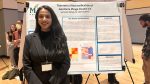

Dr Mosammat Rubina Sultana, Cancer Specialist, National Institute of Cancer Research & Hospital, Dhaka, said, “If your family member has had breast cancer, your own risk may be higher. Irregular menstrual, late menopause may also raise the risk highly.”
“At a very early stage, we do some investigations like Ultrasonography or CT scan etc. We sometimes suggest a full body Whole body and Bone scan in advanced cases,” she added.
How could the sign be spotted?
You know your body better than anyone. So learn to listen to your body. Recognising early warning signs is the key.
- A lump or thick area in your breast or underarm
- Swelling, redness or dimpling
- Nipple discharge
- Changes of breast size, shape or texture
- A nipple that turns inward or becomes sore
Every unusual change deserves attention. The earlier you act, the greater your chances of recovery.
The cancer specialist remarked, “Sometimes we get some cases where patients come to the hospital late. As they come late, cancer grows more. Here’s the myth that I don’t have any pain, so I don’t need to consult a doctor. That’s totally wrong. If people get any sign of breast cancer, they consult us as early as possible.”
The doctor also said, “Breast cancer investigation to surgery is very expensive in private hospitals. But in the government hospitals, people have to bear the cost of the medicine only. So, that’s a relief.”
“The government is working on it to make breast cancer treatment more available to the masses. Now all we need is awareness. They should know about it, they should be more careful and serious about this,” she described.
Of course, medical treatment is important. Consulting a doctor should always be your priority. But beyond that, a stronger support system is the most important part of healing.
The journey doesn’t end with recovery, according to survivors; it’s a new start. Survivors often describe a renewed sense of purpose, a deep connection with life, and a deep desire to help others with their experience.
A breast cancer survivor, Trishna, said, “It’s hard to accept many things that come with illness — the changes, the fear, the uncertainty. But with strong belief, I’ve learned: you really can get through it. Take it slow. Take one day at a time. Healing is not linear, and it takes time — but that’s okay. Be kind to yourself. Be patient. And keep going. Because if Tish CAN, you CAN too.”
“My cancer journey has changed me in ways I never imagined. It made me stronger, not just physically, but emotionally and spiritually. Where there was once fear, I found fearlessness. I became resilient, more compassionate, and began to truly appreciate life, especially the little things I once took for granted,” she shared.
Breast cancer may challenge the body, mind and spirit, but it also reveals resilience, hope and the power of community. Survivors’ stories, like Trishna’s, show that healing is not just medical. It’s emotional, spiritual and profoundly human.
And that’s where the true strength lies. Every word of encouragement, every shared story, every early check-up can make a difference. Because awareness is more than a campaign; it’s compassion in action. Together, we can turn fear into strength and silence into survival.