
Around 16 million people in Bangladesh are facing severe levels of acute food insecurity, while 1.6 million children are acutely malnourished, according to a new report jointly released by the Government and its development partners.
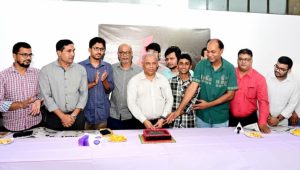
The findings were shared at a multi-sectoral workshop held in Dhaka on Wednesday, jointly organized by the Ministry of Food, the Food and Agriculture Organization (FAO), the United Nations Children’s Fund (UNICEF), the World Food Programme (WFP), and non-governmental organisations Action Against Hunger and Save the Children.
The analysis, conducted in April 2025 using the Integrated Food Security Phase Classification (IPC) methodology, projects that between May and December 2025, an estimated 16 million people across 36 districts and the Rohingya camps – representing 17 percent of the 96 million people assessed – will face Crisis (IPC Phase 3) or worse levels of food insecurity.
Among them, 361,000 people are expected to experience Emergency (IPC Phase 4) conditions, requiring urgent humanitarian assistance.
In 2024, the same analysis found that 23.5 million people were facing high levels of food insecurity.

The highest incidence this year has been observed in Cox’s Bazar, where both Rohingya refugees and host communities – particularly in Ukhiya and Teknaf – are severely affected, with 30 percent of the population classified in IPC Phase 3.
Other high-risk districts include Sunamganj, Barguna, Bandarban, Noakhali, and Satkhira, where around 25 percent of people are similarly affected.
Among Rohingya refugees in Cox’s Bazar and Bhasan Char, around 445,692 individuals—representing 40 percent of the analysed refugee population—are projected to face Crisis (IPC Phase 3) or worse conditions.




The analysis identifies several drivers behind the worsening situation: climate shocks such as the widespread floods of 2024 that disrupted livelihoods, persistent inflation and market volatility weakening purchasing power, and reduced humanitarian funding amid rising needs in refugee-hosting areas.
The report also warns of a deepening nutrition crisis. Among children aged 6–59 months, 1.6 million are acutely malnourished, including nearly 144,000 suffering from Severe Acute Malnutrition (SAM), a life-threatening condition, and 1.4 million from Moderate Acute Malnutrition (MAM).
Additionally, nearly 117,000 pregnant and breastfeeding women are expected to experience acute malnutrition this year.
This is the first time the IPC Acute Malnutrition analysis has been conducted in Bangladesh, covering 18 disaster-prone districts across seven divisions, along with the Rohingya population.
“The latest IPC analysis provides us with a sobering picture of the current state of food security and nutrition in Bangladesh. With 16 million people facing high levels of acute food insecurity and over 1.6 million children suffering from acute malnutrition, the urgency to act is clear,” said Md Masudul Hasan, Secretary of the Ministry of Food.
He said the government is committed to using the findings to guide policy, strengthen response systems, and protect vulnerable populations in partnership with UN agencies and development partners.
Ministry of Fisheries and Livestock Secretary Abu Tahir Muhammad Zaber said, “The findings are concerning, especially for rural and coastal communities whose livelihoods depend on agriculture and fisheries.
“We are committed to working with all partners to strengthen food systems, improve access to nutritious food, and build resilience against climate shocks.”
Key recommendations from the analysis include delivering life-saving humanitarian aid to populations in emergency conditions, expanding shock-responsive social safety nets, providing agricultural and livestock support, and restoring livelihoods in flood-affected areas.
The IPC analysis, built on rigorous data and a collaborative process involving government agencies, UN partners, NGOs, and technical experts, marks a significant step in integrating evidence-based food security data into national planning and response strategies.