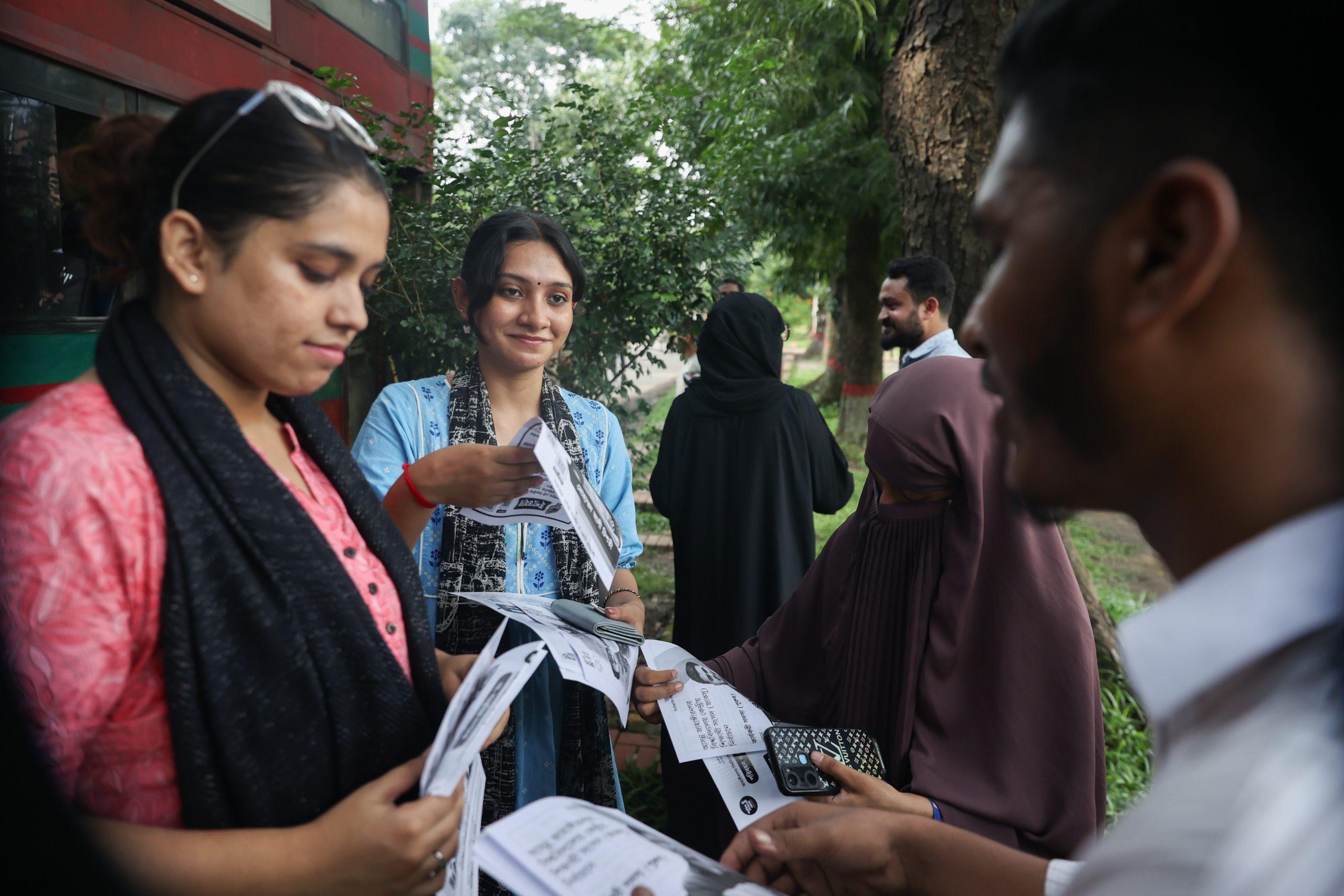

After more than three decades of silence, Jahangirnagar University is finally set to revive its Central Students’ Union (JUCSU) with elections on September 11. But while the return of student democracy is being hailed as historic, another reality overshadows it. Women, who make up nearly half of the voters, remain surprisingly absent from the ballot in leadership roles.
The election is the first since 1992, when JUCSU was dissolved following campus unrest. Since then, the Vice-Chancellor and a faculty member have been running the union in an ad hoc capacity, bypassing student representation. The September 11 polls, therefore, are more than just another campus vote. They are a chance to restore democratic culture in higher education. Yet, the glaring gender imbalance suggests that this restoration will be somehow incomplete.
According to the final voter roll, 11,919 students—6,102 men and 5,817 women—are eligible to cast their votes. But of the 622 candidates, only 173 are women. Within JUCSU itself, 179 candidates are running, including just 46 women. Not a single woman is contesting for Vice President, General Secretary in most panels, or major posts like Sports, IT, and Transport Secretary. Only two are vying for Assistant General Secretary.

The contrast is shocking; while women represent 49% of the voters, they account for less than a third of candidates, and almost none in positions of power.
Students identify a mix of cultural, social, and safety barriers that discourage women from entering campus politics. “Social and cultural obstacles, peer and family influence, and security concerns all play a role,” said Arifa, a Journalism student. She also points out the risks and the judgment they will face if they run for a leadership role.
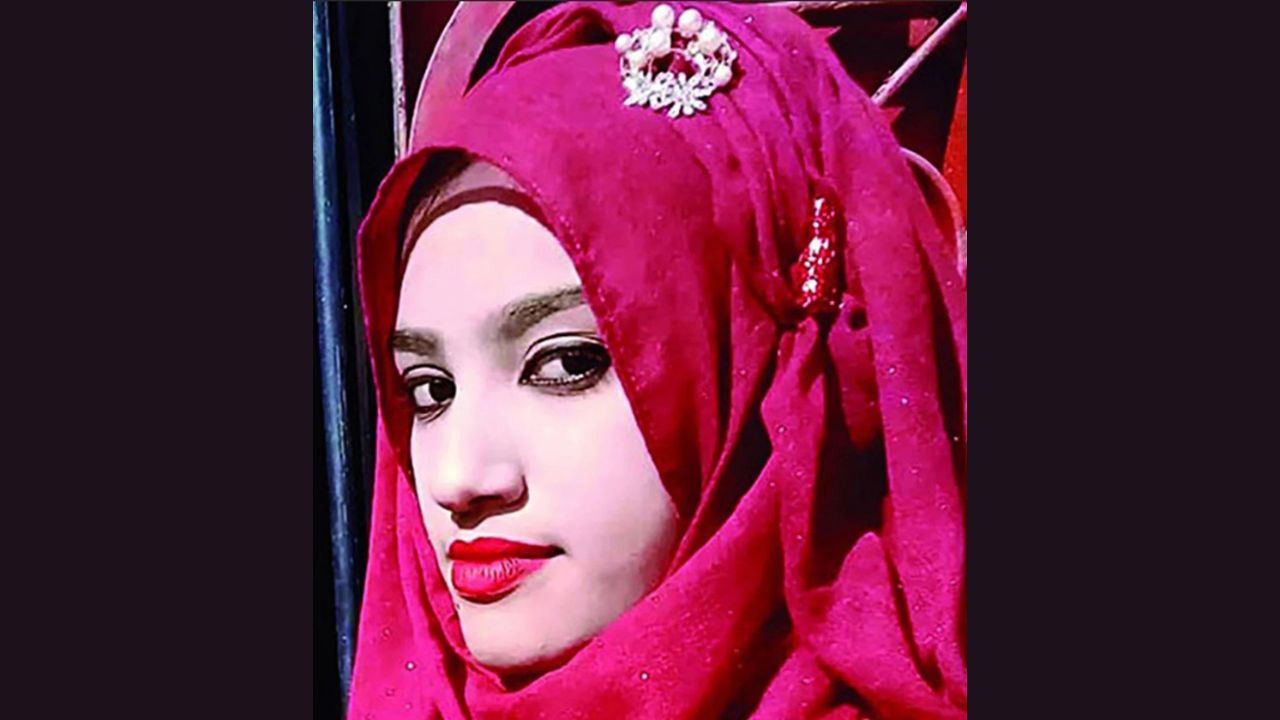



The long suspension of JUCSU also meant that younger women never saw female seniors contesting, depriving them of role models who could have paved the way.
Minority candidates, particularly women, face an even steeper climb. Igimi Chakma, contesting for Drama Secretary, said she had to delete her Facebook account after targeted abuse during the Hill Tracts unrest, questioning how minorities can feel encouraged in such conditions.
The panels themselves reinforce these gaps. Of the seven announced so far, only the Chhatra Dal-backed panel features a woman in a top position- General Secretary candidate, Tanzila Hossain Boishakhi.
The “Sompritir Oikko” panel includes 11 women, but none in leading positions. Other panels, such as “Shotontro Chhatra Sommelon” and “Shamsaptak Parshad,” also lack women at the top.
Observers say this imbalance raises questions not only for Jahangirnagar but for student politics across Bangladesh. It is a contradiction. Bangladesh has long been led nationally by women, yet its universities continue to struggle with female participation at the grassroots.
As the election day comes closer, students prepare for a historic vote. But history alone is not enough. Without women’s equal footing, JUCSU’s revival is only half a victory.