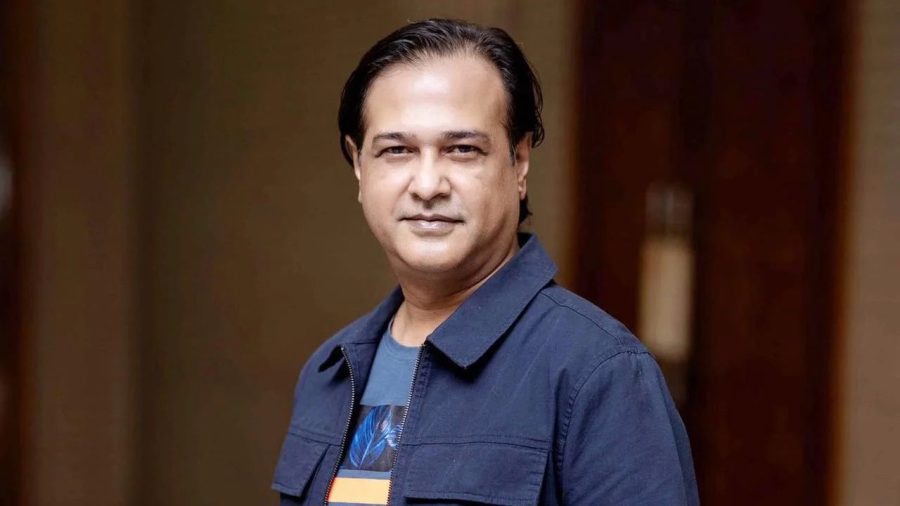



Musician Asif Akbar has described Bangladesh’s music industry as being “in a coma”, lamenting the lack of collective initiatives to honour legendary band musician Ayub Bachchu and the absence of a clear direction for the industry’s future.
Speaking at an event in Dhaka on Sunday to mark Bachchu’s eighth death anniversary, Asif said the industry had failed to organise a nationwide tribute befitting the late musician’s contributions. He also called for a united platform to represent musicians and negotiate with the government over their survival and welfare.
“We should have organised a nationwide tribute to Ayub Bachchu. What Ayub Bachchu was, what his contributions were, what is happening in his absence and what we can or will be able to do; there is no direction on any of these matters. We are, in fact, confused,” he said.
The event took place at Celebration Community Point in Moghbazar, Dhaka. Chittagong Musicians Club Dhaka, the Ayub Bachchu Foundation and Bachchu’s circle of friends organised the programme.

“Ayub Bachchu was a towering figure, and we miss him wholeheartedly. At this time of crisis in the industry, there is no one in his absence who can bring everyone together, work collectively and think about the welfare of all,” Asif said. “The word ‘industry’ still exists, but the industry itself is in a coma,” he added.
Highlighting the challenges facing Bangladesh’s music industry, Asif said many musicians and music professionals had left the country, while those who remained faced uncertainty over their livelihoods. He attributed the crisis to a shortage of concert opportunities and inadequate state support.


Concerts remain a major source of income for musicians, he said. However, the lack of performance opportunities has left bands, solo artists and emerging performers struggling to find platforms to showcase their work.
Asif also criticised the government’s approach to supporting artists. He said the state had no clear plan or effective initiative for them, despite calling on musicians whenever their services were needed.
“There is no clear plan or effective initiative for artists on the part of the state. Yet, whenever the state needs us, it tries to call on us to work for little or no compensation,” he said.
Calling for collective action, Asif urged senior musicians to establish a united platform to represent artists regardless of their political affiliations, regions, groups or musical genres.
He said musicians had formed numerous committees and associations over the years, but these had failed to bring meaningful change.
“I have been observing this since 2003. Today, on the occasion of Bachchu bhai’s eighth death anniversary, we should take a pledge to form a united platform. Once we establish it, we will negotiate with the government about how we can survive,” he said.
Among those present at the event were Shahid Mahmud Jangi, Partha Barua, Pilu Khan, Rafiqul Alam, Foad Nasser Babu, Labu Rahman, Ripon Khan, Golam Morshed, Asif Iqbal, Konal, Joy Shahriar, Sabbir, Kishore, Shafiq Tuhin, Jewel Morshed, Tarun Munshi and Rashed. Bachchu’s wife, Ferdous Akhtar Chondona, also attended, along with others.