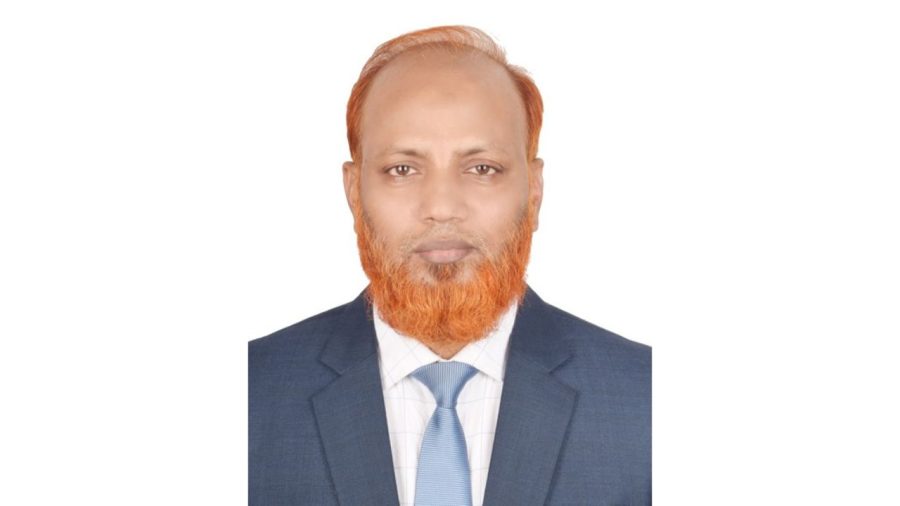



Kurigram Agricultural University (KuriAU) is prioritising research on charland farming, floods, climate change and food security as it works to establish a permanent campus, expand research facilities and develop skilled graduates over the next five years, Vice-Chancellor Professor Rashedul Islam said.
Established on 22 December 2021, the university began academic activities in 2024 and now has 220 students across three batches under its Agriculture and Fisheries faculties. The institution is currently operating from rented buildings while managing academic and administrative activities, the vice-chancellor said in an interview.
Professor Rashedul said the university was building its academic and administrative structure while continuing classes and examinations. However, limited infrastructure and staffing remain challenges for the young institution, he said.
He said agricultural education requires facilities beyond classrooms, including laboratories, research farms and fieldwork areas. The construction of a permanent campus has therefore become a key priority, with discussions and necessary procedures under way with relevant authorities.

A permanent campus would allow the university to expand classrooms, modern laboratories, student accommodation and practical training facilities, he said.
Research driven by local challenges
Professor Rashedul said Kurigram’s geographical location provides an opportunity to study agricultural challenges affecting the region, where farming and livelihoods are closely linked to charlands, recurring floods and changing climate conditions.




The university has identified charland agriculture, flood-tolerant crops, climate adaptation, food security, fisheries and agricultural technology as major research areas. The vice-chancellor said research should be guided by farmers’ needs and field conditions, while stronger cooperation among researchers, farmers and agricultural extension workers could help convert findings into practical solutions.
He said the university has decided to establish four specialised research institutes and plans to strengthen laboratories and collaborate with institutions and researchers at home and abroad.
Building academic capacity
Alongside research expansion, the university is focusing on improving teaching and administration. Professor Rashedul said qualified teachers, officers and staff would be essential for maintaining academic quality, with recruitment, training and professional development to be carried out in phases.
He encouraged students to develop skills beyond academic coursework, including research, technology use, leadership and problem-solving. Understanding farmers’ challenges would help graduates contribute to agricultural development in Bangladesh, he said.
Professor Rashedul has previously served in several academic and administrative roles, including acting registrar, student adviser, departmental chair and assistant hall provost. He has also been involved with agricultural and professional organisations.
According to his published profile, he was active in Jatiyatabadi Chhatra Dal politics during his student years. Later, he served as general secretary of the university’s White Panel and as an executive committee member of the University Teachers’ Association of Bangladesh. He has also held responsibilities in the Agriculturists’ Association of Bangladesh.
The vice-chancellor said sustained teaching, stronger research facilities, a permanent campus and a qualified workforce would help Kurigram Agricultural University contribute to agricultural development in northern Bangladesh, with charland farming and climate research becoming a defining area of its work.